
The Ins and Outs of Your Home’s Drainage Layout: A Beginner’s Guide to Keeping Things Flowing
By Brian on February 6, 2026
Understanding Your Home’s Drainage System: The Basics
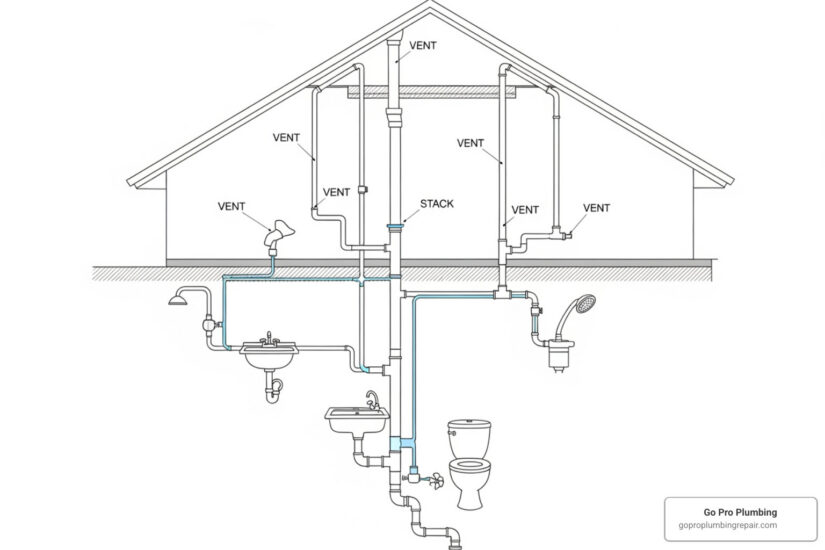
A typical house drainage layout is a network of pipes and vents that carries wastewater away from your home using gravity. Whether you’re dealing with a slow drain or are just curious, understanding how your drainage system works can save you time, money, and stress.
Quick Answer: The Essential Components
- Fixture Drains – Where water exits from sinks, tubs, and toilets
- P-Traps – Curved pipes that hold water to block sewer gases
- Branch Drain Lines – 1.5 to 2-inch pipes connecting fixtures to the main line
- Main Drain Line – Usually 4 inches in diameter, carries all waste to the sewer
- Vent Stack – Vertical pipe that allows air circulation and gas escape
- Sewer Cleanout – Access point for clearing blockages
- Municipal Sewer Main – City-owned pipe under the street
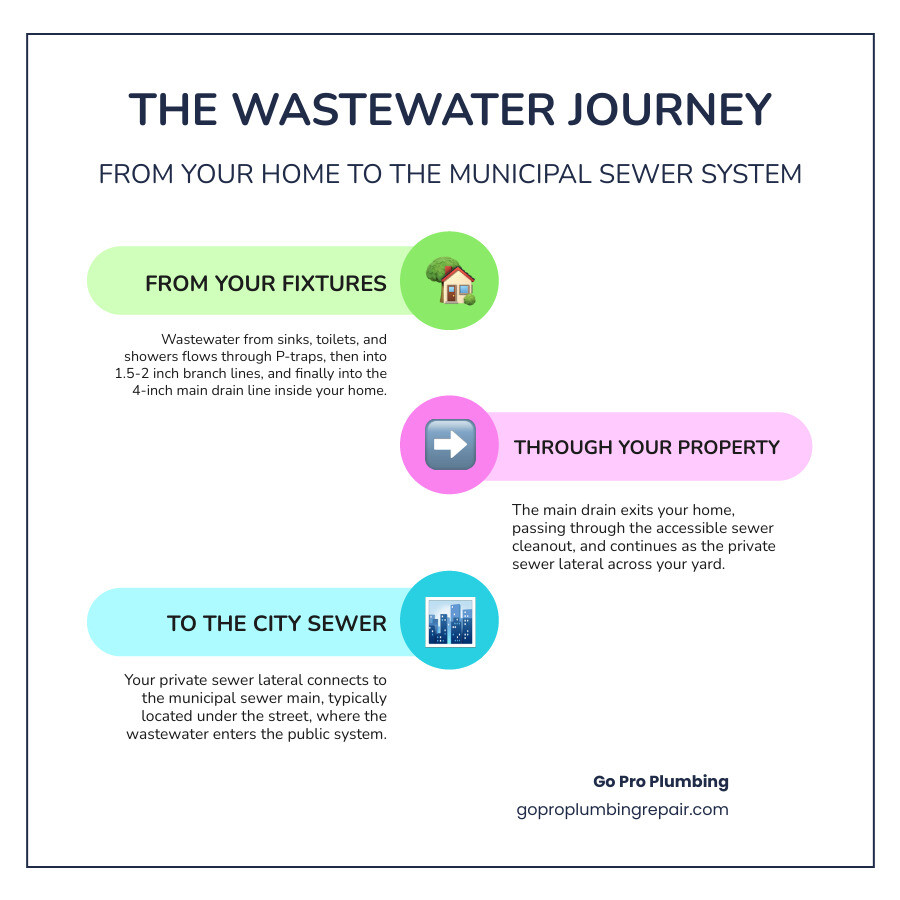
Wastewater travels from fixtures through traps, down branch lines, into the main drain, and out to the municipal sewer. The entire system relies on gravity and vents to maintain proper air pressure.
Research shows around 80% of blockages are caused by flushing inappropriate items or pouring fats, oils, and grease down sinks. Understanding your drainage layout helps prevent these emergencies.
This is part of the Drain-Waste-Vent (DWV) system. The principle is simple: drains carry waste away, and vents allow air in to keep things flowing. When it works, you don’t notice it. When it fails, it’s immediately obvious.
The Anatomy of Your Home’s Drainage: The DWV System Explained
The Drain-Waste-Vent (DWV) system removes wastewater and prevents sewer gases from entering your home. It’s an engineered network using gravity and air pressure to keep things flowing smoothly, which is essential for a sanitary home.
The DWV system balances air pressure in the pipes to prevent siphoning, where draining water sucks the water out of P-traps. Gurgling sounds from a drain often indicate the vent system isn’t providing enough air. The whole system uses gravity to move wastewater downhill to the municipal sewer line. Efficient water management is key for hygiene and structural integrity, as detailed in this guide to water management in buildings.
The “Drain” and “Waste” Components
The “drain” and “waste” parts of the system collect and transport used water, starting at your fixtures:
- Fixture Drains: These are the openings in sinks, tubs, and showers where wastewater enters the system.
- Branch Drain Lines: These smaller pipes (typically 1 1/2- to 2-inch) collect water from individual fixtures and carry it to the main drain line.
- Main Drain Line (or Building Drain): This is the largest pipe (usually 4 inches in diameter) in your home’s drainage system. It collects all wastewater from the branch lines and directs it out of the house toward the sewer main.
A consistent downward slope is key for these components to work effectively.
The “Vent” System: Why Your Drains Need to Breathe
The vent system is as crucial as gravity, acting as the lungs of your drainage network for several reasons:
- Air Pressure Balance: Vents introduce air to equalize pressure as water flows down a drain. This prevents a vacuum from forming and siphoning the water from P-traps.
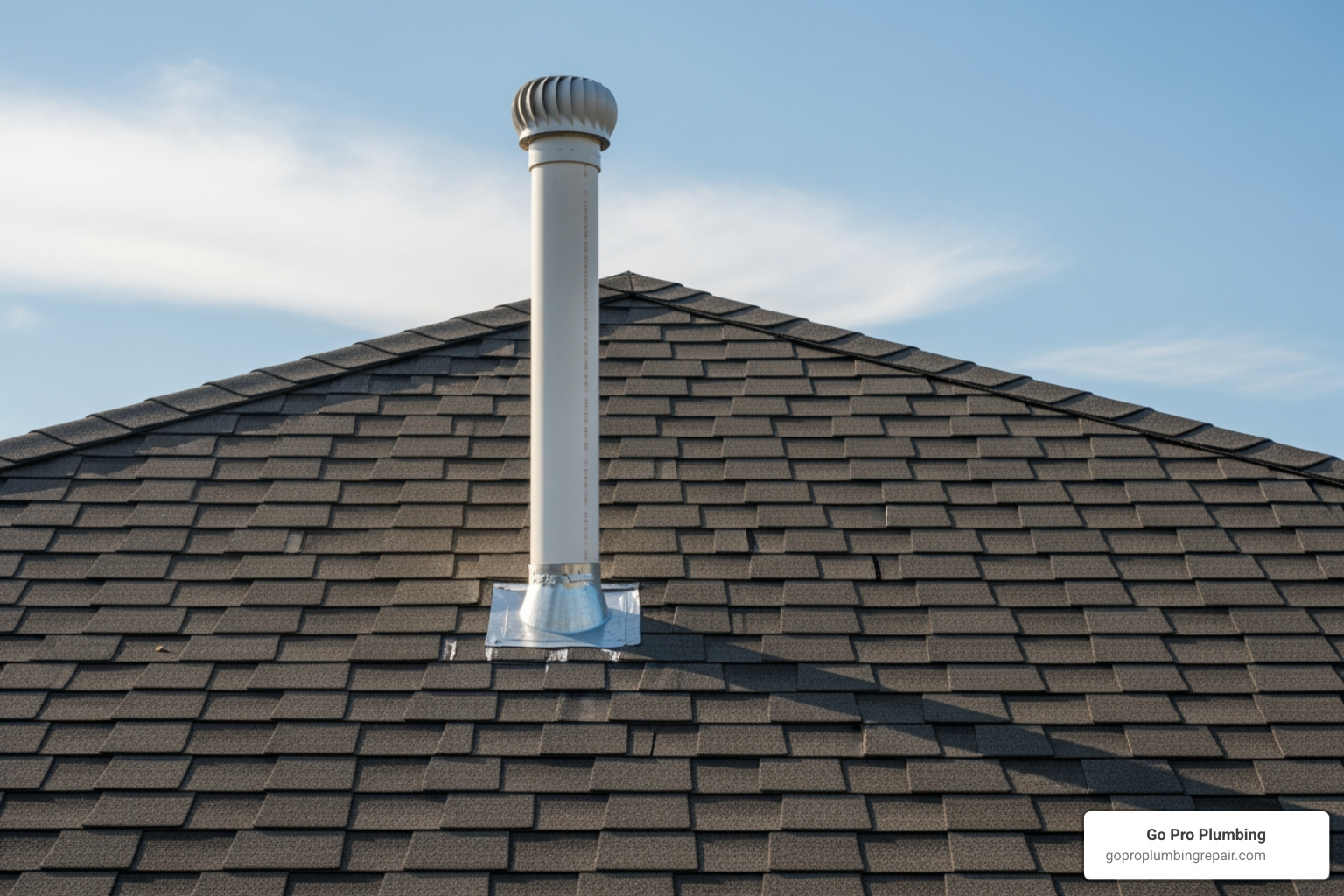
- Sewer Gas Removal: Vents provide a safe path for foul-smelling and potentially harmful sewer gases to escape through the roof, away from your living spaces.
- Maintaining Trap Seals: By preventing siphoning, vents ensure the water seals in your traps stay intact, which is your primary defense against sewer gases.
The main components of the vent system include:
- Soil Stack (or Soil Pipe): This vertical pipe carries waste (including from toilets) down to the main drain and extends up through the roof to act as a vent.
- Stack Vent: This is the part of the stack that extends through the roof. It releases sewer gases and allows fresh air in to balance pressure, preventing water from being siphoned out of drain traps.
- Branch Vents: These smaller pipes connect individual fixture traps to the main vent stack, ensuring each trap is properly vented.
A well-maintained vent system is just as important as the drain pipes for a silent, effective typical house drainage layout.
Key Components in a Typical House Drainage Layout
This section details the individual parts of the DWV system, from the curves under your sink to the pipes underground. Each component plays a specific role in removing wastewater safely and efficiently.
Traps: Your First Line of Defense Against Sewer Gas
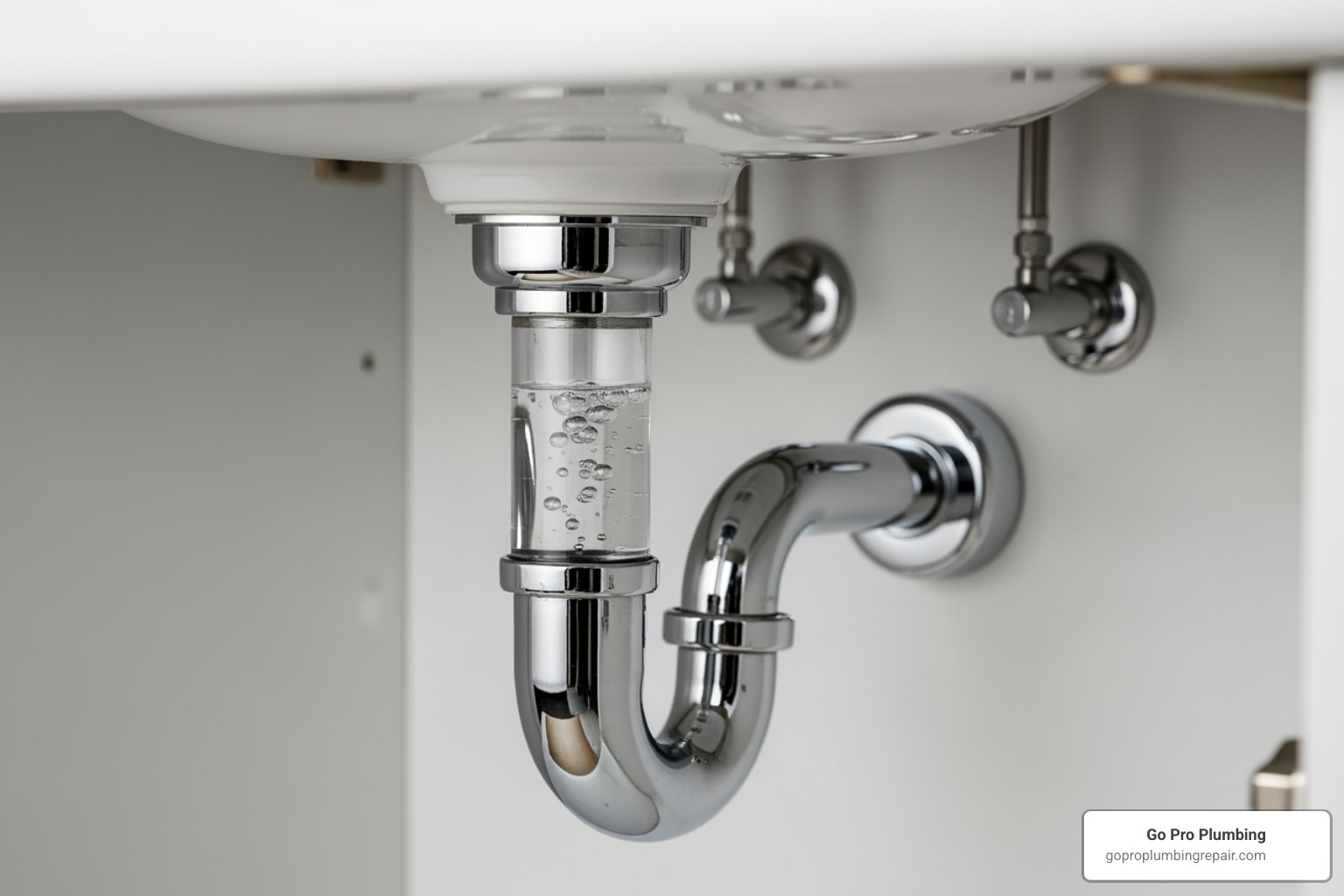
Traps are simple, ingenious devices under every fixture that prevent sewer gases from entering your home.
- P-trap Function: This P-shaped pipe holds a small amount of water, creating a “water seal” that blocks sewer gases from rising up the drain. It’s critical for an odor-free home.
- Toilet’s Integrated S-trap: Toilets have a built-in S-trap that functions the same way, using the water in the bowl to form a seal against sewer gases.
- Clothes Washer Standpipe: A clothes washer drains into a standpipe, which also requires a P-trap at its base to block sewer gases.
- Trap Evaporation: The water in traps can evaporate during long absences (like a vacation), causing a sewer odor. Simply run water in each fixture to refill the traps. Traps require a water seal of 2 to 4 inches to be effective.
Pipes, Slopes, and Materials in a Typical House Drainage Layout
The material, size, and slope of your drain pipes are all critical for carrying wastewater away efficiently.
Pipe Slope Requirements: Gravity requires pipes to be sloped correctly to ensure wastewater flows effectively and solids don’t settle.
- For pipes 2 inches in diameter and smaller, the minimum slope is 1/4 inch per foot.
- For larger pipes (3 inches and up), a minimum slope of 1/8 inch per foot is sufficient.
- Underground drains are typically buried at least 2 feet deep to protect them from freezing and damage.
Pipe Materials: Modern homes in Northern California typically use PVC or ABS pipes, while older homes may have cast iron or clay.
| Material | Pros | Cons | Lifespan (Approx.) |
|---|---|---|---|
| PVC | Lightweight, inexpensive, easy to install, corrosion-resistant, smooth interior (reduces clogs) | Can become brittle in extreme cold, not as strong as cast iron, can deform with hot water | 50-100 years |
| ABS | Similar to PVC, often black, single-cement application, good in cold temps | More rigid than PVC, less resistant to UV light, limited bending | 50-100 years |
| Cast Iron | Very durable, quiet (reduces sound of draining water), fire-resistant | Heavy, expensive, prone to rust/corrosion internally over time, difficult to cut/install | 75-100+ years |
| Clay | Very durable underground, resistant to chemicals, environmentally friendly | Brittle (prone to cracking), heavy, difficult to install, susceptible to tree root intrusion at joints | 50-100+ years |
While modern PVC pipes are durable, the older cast iron or clay pipes found in some Sacramento and Rancho Cordova homes are more prone to corrosion and tree root intrusion.
Access Points: The Sewer Cleanout
A sewer cleanout is a capped, accessible opening in your sewer line used for inspection, maintenance, and clearing blockages.
- Location: Cleanouts are found indoors (basement, garage) or outdoors near the foundation.
- Purpose: Plumbers use cleanouts to access the main line with tools like motorized augers or hydro-jetters to clear stubborn clogs.
- Maintenance Access: Cleanouts allow for routine inspections. Codes often require them at the base of stacks, at sharp turns, and every 50 feet on horizontal runs. They are typically on 3- to 4-inch pipes for easy tool access.
Keep your cleanouts accessible. We recommend opening and closing older metal cleanouts annually to prevent them from rusting shut.
Common Problems and How to Keep Your System Healthy
Even a robust typical house drainage layout can have problems. Knowing the signs of trouble and common causes of blockages helps with proactive maintenance. About 80% of blockages are preventable.
Recognizing the Signs of a Blocked or Failing Sewer Line
Recognizing your home’s warning signs can help you address drainage issues before they become emergencies.
- Multiple Slow Drains: If several fixtures drain slowly, the blockage is likely in the main drain line, not an isolated pipe.
- Gurgling Noises: Gurgling from drains or toilets often indicates a venting issue or a partial blockage, as air is pulled through traps.
- Foul Odors: A persistent sewer gas smell could mean a dry trap, a cracked pipe, or a vent system problem.
- Sewage Backup: Sewage backing up into your lowest drains (like in a basement) is a serious sign of a main sewer line blockage.
- Lush Patches in Yard: Unusually green patches of grass above your sewer line could indicate a leak fertilizing the soil.
- Bubbling Toilets: A toilet bubbling when other fixtures are used points to a pressure imbalance, likely from a main drain clog.
If you observe any of these signs, it’s wise to call a professional plumber in Northern California, Sacramento, or Rancho Cordova to diagnose the issue quickly.
Top Clog Locations in a Typical House Drainage Layout
Understanding where clogs commonly occur can help prevent them. Certain areas are more prone to trouble:
- Tree Root Intrusion: Tree roots seek moisture and can invade older pipes (clay, cast iron) through tiny cracks, eventually causing a complete blockage. This is a common issue in Sacramento and Rancho Cordova homes with mature trees.
- Main Drain Clogs: The 4-inch main drain carries all household wastewater. Clogs here, caused by accumulated grease, hair, and other debris, affect all fixtures.
- Sewer Bellies (Low Spots): A sagging section of pipe, or a “belly,” can collect water and solids, leading to frequent clogs. This structural issue requires professional repair.
- Inappropriate Items Flushed: Toilets are not trash cans. Flushing anything other than human waste and toilet paper—including “flushable” wipes, paper towels, and dental floss—can cause blockages.
- Fats, Oils, and Grease (FOG): FOG is a primary cause of clogs. Poured down the sink, it cools, solidifies, and builds up inside pipes, trapping debris and leading to blockages. This is a frequent problem in Northern California homes.
Prevention is always better than cure. Being mindful of what goes down your drains can reduce the likelihood of these frustrating problems.
Drawing the Line: Homeowner vs. City Sewer Responsibilities
It’s crucial to know where your responsibility for the drainage system ends and the city’s begins. This line, usually at your property boundary, determines who pays for repairs. Understanding this distinction for your typical house drainage layout helps avoid unexpected costs.
Your Private Sewer Lateral
The private sewer lateral is the pipe connecting your home’s main drain to the municipal sewer main under the street. As the homeowner, you are responsible for this entire pipe, including maintenance and repairs for clogs, leaks, or damage from tree roots. These repairs can be costly, so understanding this responsibility is critical for homeowners in Rancho Cordova and Sacramento. For more information, you can visit our page on sewer line repair services.
The Municipal Sewer Main and Your Connection
Responsibility shifts to the city at the municipal sewer main, the large, shared pipe under the street.
- City’s Responsibility: The city or local utility district is responsible for maintaining the municipal sewer main. This includes managing system-wide blockages and infrastructure, as outlined by municipalities like the City of St. Clair Shores, Michigan’s Sewer Division.
- Connection Point (Tap): The “tap”—where your lateral connects to the main—is the dividing line of responsibility.
- Manholes: These provide city crews access to the municipal sewer system for maintenance.
Sanitary vs. Storm Sewers: A Critical Distinction
It is vital to understand the difference between sanitary and storm sewers, as they are two separate systems.
- Sanitary Sewer: This system carries “foul water” (from toilets, sinks, showers) to a treatment plant.
- Storm Sewer: This system collects rainwater runoff and directs it, untreated, into local waterways.
- Why They’re Separate: Keeping these systems separate is vital. Connecting them can overwhelm treatment plants (causing backups) or pollute waterways with untreated sewage.
- Illicit Connections: Improper connections between these two systems cause environmental damage and system failures. Stormwater programs in cities like Rancho Cordova emphasize keeping them separate to protect local water quality.
Understanding this distinction is key to environmental responsibility and public health.
Frequently Asked Questions about House Drainage
Here are answers to common questions about a typical house drainage layout.
What is the proper slope for a drain pipe?
Proper slope is critical for gravity-fed drain pipes. The standard is a minimum slope of 1/4 inch per foot for pipes 2 inches or smaller, and 1/8 inch per foot for pipes 3 inches or larger. This ensures water flows fast enough to carry solids and prevent clogs.
What is the difference between a soil pipe and a waste pipe?
While both are part of the drain-waste system, they differ: a soil pipe carries waste from toilets (containing human waste), while a waste pipe carries “gray water” from sinks, showers, and tubs. Both connect to the main drain, but codes often treat them differently.
Can I connect my roof gutters to my sanitary sewer?
No. Never connect roof gutters to your sanitary sewer. The sanitary sewer is for wastewater that needs treatment, while the storm sewer handles rainwater. Connecting them can cause sewage backups, overwhelm treatment plants, and is illegal in many areas, including Sacramento and Rancho Cordova, because it strains infrastructure and harms the environment.
Conclusion: Keeping Your System Flowing Smoothly
Understanding your typical house drainage layout is essential knowledge for every homeowner. We’ve covered the Drain-Waste-Vent (DWV) system, including P-traps, vents, pipe materials, and cleanouts. You can now recognize warning signs like slow drains, know the top causes of clogs like tree roots and grease, and understand the division of responsibility between homeowners and the city.
Proactive maintenance and being mindful of what goes down your drains are your best defense against plumbing problems. By taking these steps, you can keep your system flowing smoothly for years to come.
However, sometimes you need a professional touch. For clogs, backups, or sewer line issues in Northern California, including Sacramento and Rancho Cordova, the experts at Go Pro Plumbing are here to help. We offer same-day service to diagnose and resolve your plumbing problems efficiently, ensuring your home’s drainage system is in top condition.
Contact us for professional drain and sewer services and let us help you maintain a healthy, free-flowing home.