
The Plumber’s Playbook: Expert Gas Line Leak Detection Techniques
By Brian on December 18, 2025
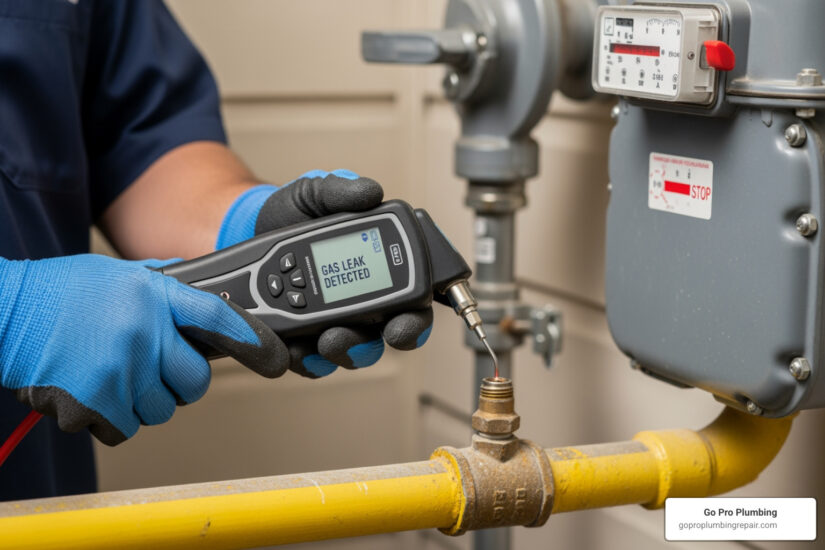
Why Gas Line Leak Detection Could Save Your Life
Gas line leak detection is a critical home safety skill. A gas leak isn’t just an inconvenience; the U.S. Department of Housing and Urban Development classifies it as ‘Life-Threatening’ and requires correction within 24 hours.
Quick Answer: How to Detect a Gas Leak
- Smell – A distinctive rotten egg or sulfur odor.
- Listen – Hissing or whistling sounds near gas lines.
- Look – Dead vegetation, bubbling water, or visible damage.
- Test – Use soapy water on connections or check your gas meter.
- Monitor – Watch for physical symptoms like dizziness, nausea, or headaches.
If you suspect a leak: Get everyone outside immediately, avoid creating sparks, and call 911 and your gas utility from a safe location.
Natural gas is odorless, so utility companies add that distinctive smell. However, this odor can sometimes be filtered or masked, making detection more challenging. This guide will walk you through identifying a potential gas leak in your Northern California home, from simple DIY checks to knowing when to call professionals.
Recognizing the Red Flags: The Telltale Signs of a Gas Leak
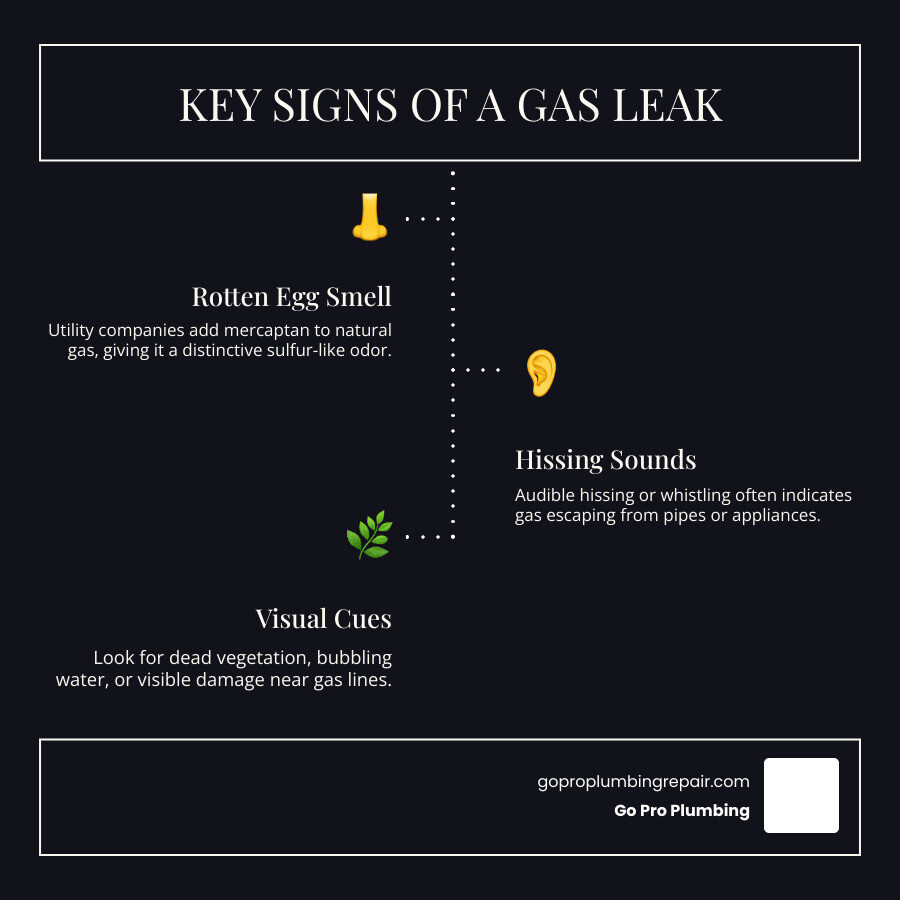
Your senses are your first line of defense for gas line leak detection. Utility companies add a chemical called mercaptan to naturally odorless gas, creating a distinctive “rotten egg” smell. If you notice this sulfur-like odor in your Northern California home, it’s a serious warning. However, you can’t rely on smell alone. Your nose can become desensitized, other smells can mask it, and certain conditions can weaken the scent. That’s why recognizing other warning signs is crucial.
- Listen for unusual sounds. A hissing or whistling sound near a gas line or appliance often means gas is escaping under pressure. This is a direct indicator of a leak.
- Watch your landscaping. Underground gas leaks can kill plant roots. A patch of dead or dying vegetation, like yellow grass over a utility line with no other explanation, can indicate a leak site.

- Check standing water. Look for continuous bubbles in standing water near outdoor gas lines. This can indicate an underground leak as gas forces its way to the surface.
- Pay attention to how you feel. Slow gas leaks can cause unexplained physical symptoms like dizziness, nausea, or headaches. If these symptoms improve when you go outside, it’s a major red flag.
- Keep an eye on your bills. A sudden, unexplained jump in your gas bills could point to a hidden leak. While not an emergency sign, it warrants a professional check.
If you notice any of these red flags, act quickly and follow the safety protocol covered next.
What to Do Immediately: Your Gas Leak Safety Protocol
If you suspect a gas leak in your Northern California home, do not investigate. Your only job is to get everyone to safety. Once you’ve identified a potential problem, you must act immediately, as natural gas is highly flammable. The U.S. Department of Housing and Urban Development classifies gas leaks as ‘Life-Threatening,’ and they must be addressed within 24 hours.
- Get everyone out immediately. This includes all family members and pets. Do not stop to grab valuables.
- Avoid sparks or flames. Do not do anything that could create a spark.
- Don’t touch light switches. Flipping a switch creates an internal spark. Leave lights as they are and exit.
- Don’t use any phone inside. Cell phones can create sparks. Wait until you are a safe distance away to make calls.
- Don’t start a car in an attached garage. The ignition spark is dangerous if gas is present.
- Ventilate if you can do so safely on your way out. Open doors or windows as you leave, but do not re-enter the building to do so.

Once you’re a safe distance away (across the street or at a neighbor’s), call 911 first, then call your gas utility company. Their emergency number is on your bill or their website.
Do not go back inside until both the fire department and your gas company give the all-clear. Professionals must verify that it’s safe before anyone re-enters. Your quick action can prevent a tragedy.
DIY Gas Line Leak Detection: Simple Checks You Can Perform
While you should always call a professional for repairs, you can perform some simple gas line leak detection checks yourself. If you smell a strong rotten egg odor or hear loud hissing, skip these checks, get everyone out, and call for help. For investigating a more subtle concern, here are three reliable methods.
The Soapy Water Test for Gas Line Leak Detection
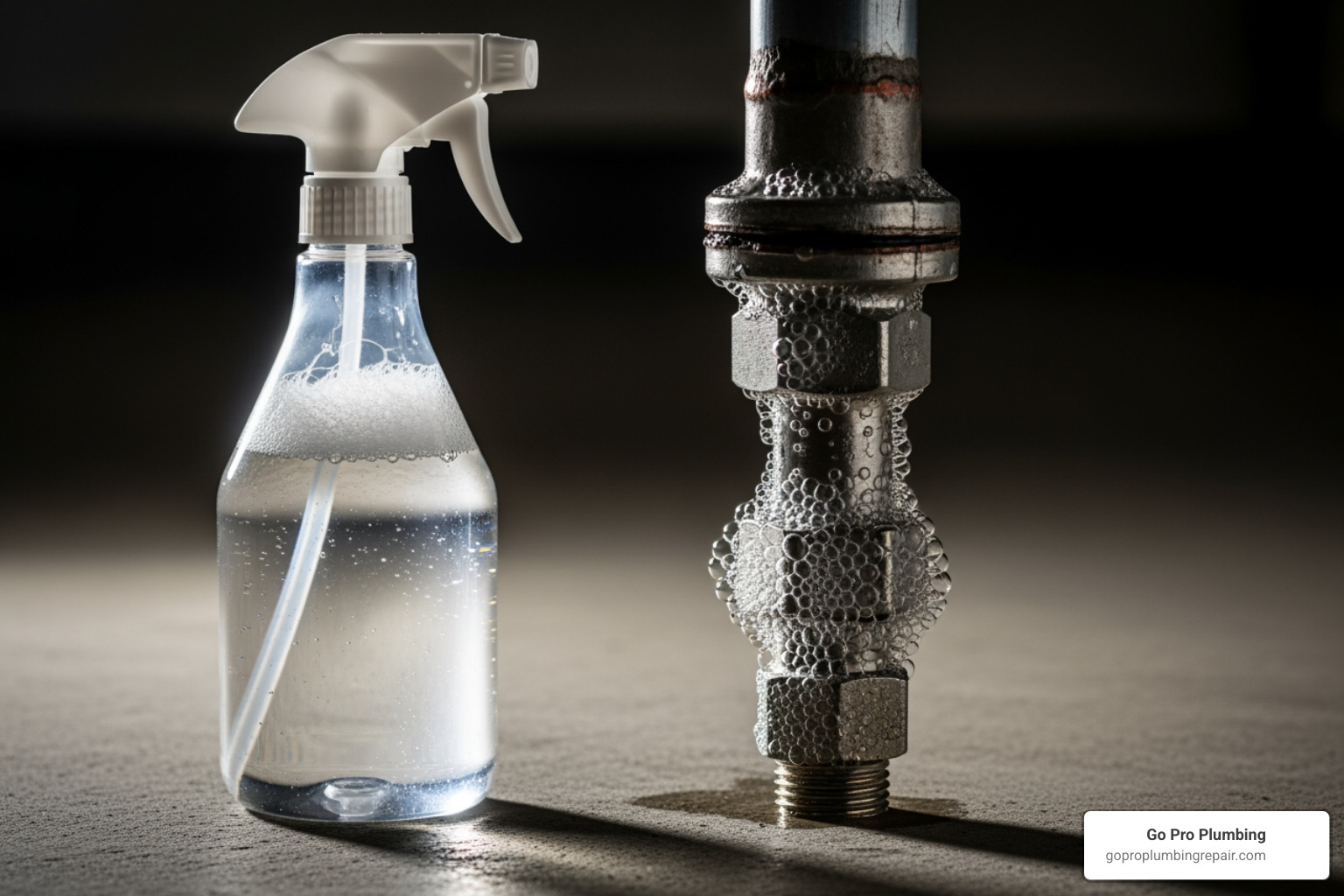
This simple test can pinpoint leaks on exposed gas lines. Mix a few drops of dish soap with water in a spray bottle. For more reliable results, you can use a specialized leak detection solution from a hardware store, as it’s not affected by oil residue on pipe joints.
Generously spray or brush the solution onto pipe joints, fittings, and valve stems. Watch closely for a few minutes. Bubbles will form at the site of any leak—small, growing bubbles for minor leaks and more vigorous bubbling for larger ones. If you see bubbles, mark the spot, wipe away the solution, and call a professional. You can watch this video to see how to apply a leak detection solution for a visual guide.
Checking Your Gas Meter
This test reveals if gas is flowing when all appliances are off. First, ensure every gas appliance in your home is turned off (furnace, water heater, stove, etc.). Go to your gas meter and find the smallest dial (the test dial). Note its exact position.
Wait for at least 20 minutes without using any gas, then check the dial again. If it has moved at all, gas is flowing somewhere in your system, indicating a leak. This is useful for finding slow leaks that don’t have an obvious smell.
Using a Handheld Gas Detector
A handheld electronic gas detector, or “gas sniffer,” is an affordable tool that detects combustible gases in the air. After calibrating the device according to its instructions, slowly move the sensor along exposed gas lines and around appliance connections. The detector will typically sound an alarm that intensifies as you get closer to a leak. Think of it as a helpful screening tool, not a substitute for a professional diagnosis.
If any of these DIY checks reveal a potential leak, it’s time to bring in the experts at Go Pro Plumbing.
When to Call a Pro: Advanced and Professional Detection Methods
While DIY checks are useful, professional gas line leak detection and repair are non-negotiable for safety. Never attempt to fix a gas leak yourself. Licensed technicians, like the team at Go Pro Plumbing, have the specialized equipment and training to handle these situations safely in your Northern California home.
Professional Gas Line Leak Detection Tools and Technologies
Professionals use sophisticated tools that go far beyond DIY methods to find leaks accurately and safely, even those hidden behind walls or underground.
- Combustible Gas Indicators (CGI): These sensitive electronic devices detect tiny concentrations of gas to pinpoint a leak’s exact location and severity.
- Pressure Testing: This is a mandated diagnostic step. We pressurize the gas line (typically to 15 PSI for 15 minutes) and monitor for any pressure drop, which confirms a leak. This test is also performed after repairs to ensure the system is gas-tight.
- Advanced Technologies: For elusive leaks, we use other tools. Infrared (IR) cameras can visualize invisible gas plumes from a distance. Advanced electronic sniffers offer far greater sensitivity than consumer models to trace leaks to their source. For the most difficult cases, tracer gas detection involves introducing a harmless gas into the line and using a special detector to find where it escapes.
These tools, combined with our experience, ensure we can accurately diagnose any gas line issue.
How Utility Companies and Experts Find Leaks
Utility companies use large-scale methods to monitor the gas grid throughout Northern California and improve public safety.
One key technology is Advanced Mobile Leak Detection (AMLD). Specialized vehicles drive through neighborhoods, using highly sensitive laser-based sensors to analyze the air for methane. These systems are up to 1000 times more sensitive than traditional methods, allowing them to find tiny leaks before they become major problems. You can learn about advanced mobile leak detection technology to understand more about these systems.
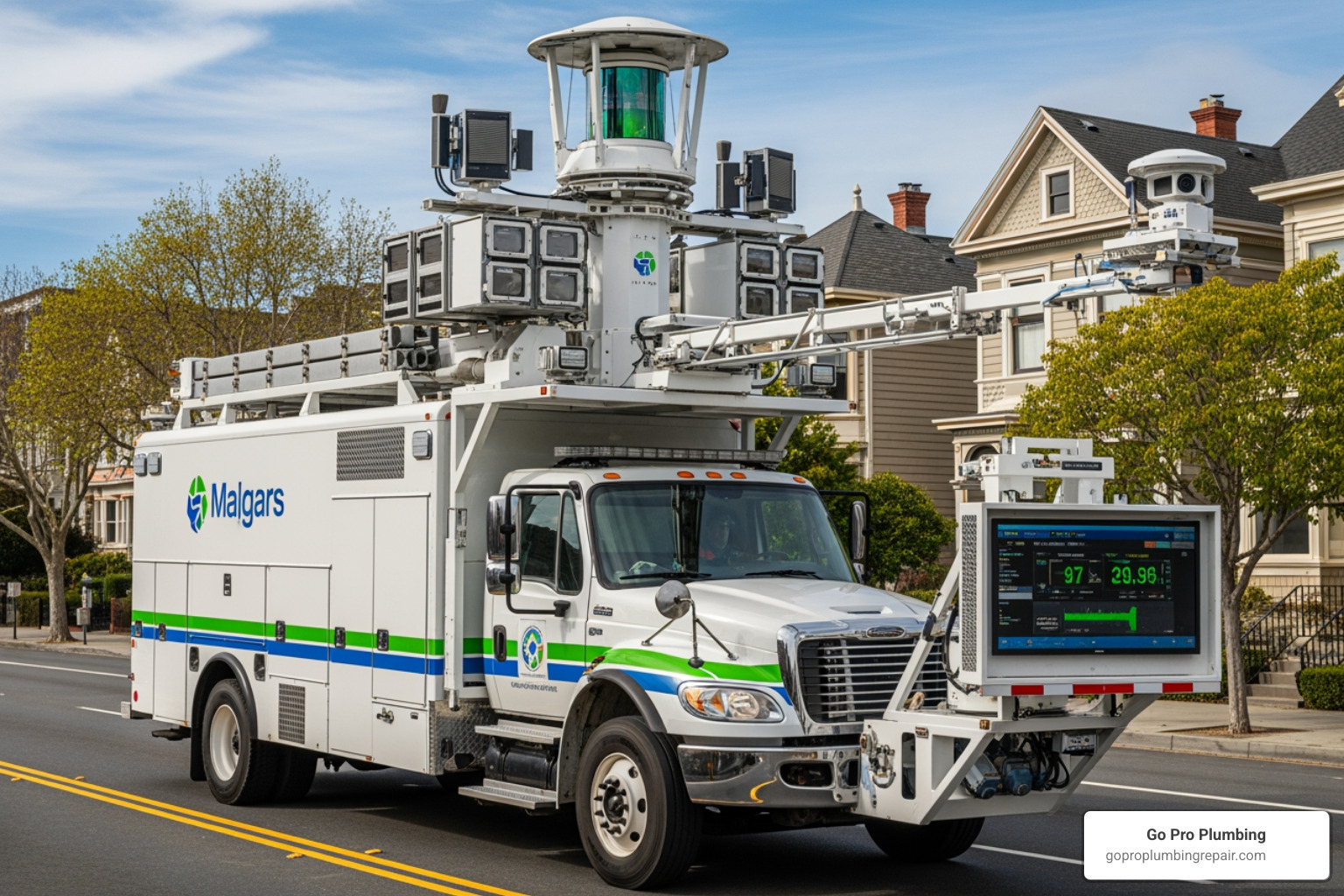
Data is often integrated with Geographic Information Systems (GIS) to map leak locations for ground-level investigation. Utilities also conduct regular, mandated system-wide surveys of their infrastructure. Once a leak is detected, it’s classified by severity to prioritize repairs, ensuring the most hazardous situations are addressed first.
Frequently Asked Questions about Gas Leaks
We hear a lot of questions from Northern California homeowners about gas leaks. Here are some straight answers to the most common ones.
What are the most common causes of gas leaks?
Gas leaks often stem from a few common culprits:
- Aging or corroded pipes: Older gas lines can corrode from moisture and soil conditions, leading to leaks.
- Improperly installed appliances: Loose connections or worn seals on professionally uninstalled appliances are a frequent cause.
- Shifting soil: In Northern California, ground movement can stress and damage underground gas lines.
- Accidental damage: Digging during landscaping or construction can strike a gas line. Always call 811 before you dig.
- Wear and tear: Fittings and seals on gas lines and appliances degrade over time.
- Uncapped gas lines: An open gas line, often left after removing an appliance, is extremely dangerous.
How can I prevent gas leaks in my home?
Most gas leaks are preventable with regular maintenance and precautions.
- Schedule annual professional inspections of your gas lines and appliances to catch issues early.
- Ensure appliances are installed by a licensed professional to prevent improper hookups.
- Call 811 before you dig in your yard. This free service marks underground utility lines.
- Plan to replace appliances over 15 years old, as they are more prone to failing parts.
- Install carbon monoxide detectors on every level of your home as a crucial safety backup.
What are the costs for gas leak detection and repair?
Costs for gas line leak detection and repair in Northern California vary, but here are some typical ranges.
- A professional inspection to find a leak typically starts around $150.
- Minor repairs, like tightening a fitting, may cost $150 to $700.
- The average repair costs around $600 and takes 4 to 7 hours. Complex jobs involving hidden lines can take longer.
- Extensive damage requiring partial or full gas line replacement typically costs $1,400 or more.
At Go Pro Plumbing, we often charge by the leak, not the hour, to encourage efficiency. While these costs are significant, they are minor compared to the potential consequences of an unaddressed gas leak.
Your Next Steps for a Safer Home
You now know the warning signs, emergency steps, and DIY checks for gas leaks. Detecting a leak is just the beginning. A safe, professional repair is what truly protects your family.
Never attempt to fix a gas line yourself. The risks of fire, explosion, or health complications are too high. Gas line repair requires specialized knowledge, proper tools, and strict adherence to safety codes.
If a DIY check reveals a problem or you notice any red flags—the rotten egg smell, a hissing sound, or unexplained symptoms—it’s time to call a professional. It’s always better to err on the side of caution.
Our licensed plumbers at Go Pro Plumbing understand the urgency of gas line leak detection and repairs. We offer same-day service throughout Rancho Cordova, Sacramento, and Northern California to get to your home quickly, assess the situation with professional equipment, and implement a safe solution.
Sometimes a simple repair is enough. For older homes or corroded pipes, a full replacement may be the safest path. Learn more about our professional gas pipe replacement services.
Your peace of mind matters. We’re here to answer your questions and ensure your Northern California home is safe. That’s our commitment to you.