
Tool Time: How to Easily Remove Stubborn Cleanout Caps
By Brian on February 11, 2026
Why You Need the Right Clean Out Cap Removal Tool
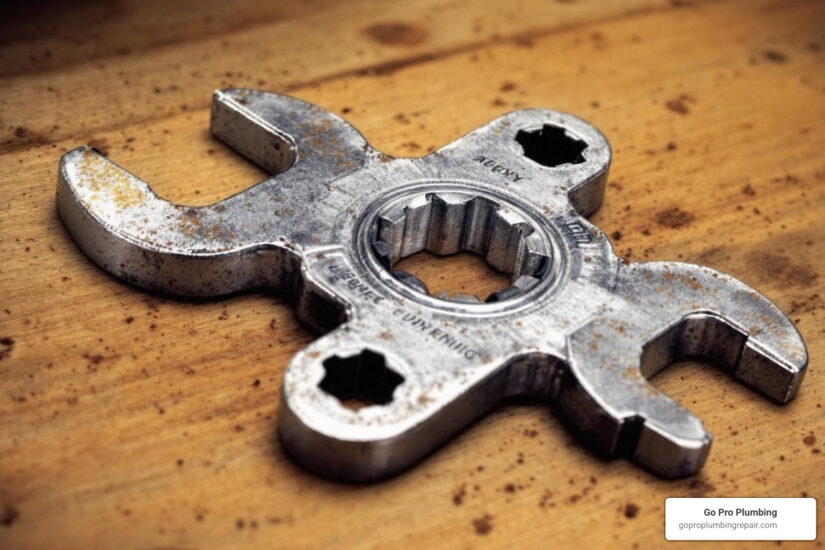
A clean out cap removal tool is a specialized wrench for removing and installing the threaded plugs on your home’s sewer cleanout access points. Sooner or later, every homeowner in Northern California faces a backed-up drain and a stuck sewer cleanout cap. Whether it’s rusted shut or just overtightened, that stubborn cap is all that stands between you and fixing the clog.
Using the wrong tool—like a pipe wrench or adjustable pliers—often makes things worse. You risk stripping the plug’s head, cracking the cap, or even damaging the cleanout fitting itself. That’s where a proper cleanout plug wrench comes in.
These specialized tools are designed for this specific job, providing the right fit and leverage to remove stubborn caps without causing damage. Common options include multi-head wrenches that fit several plug sizes, comprehensive sets with various sockets, and long-handled keys for hard-to-reach caps. Prices can range from around $30 for a single wrench to over $100 for a complete set.
This guide will walk you through choosing the right tool and using it correctly to tackle this common plumbing challenge safely and effectively.
Understanding Cleanout Plugs and Their Purpose
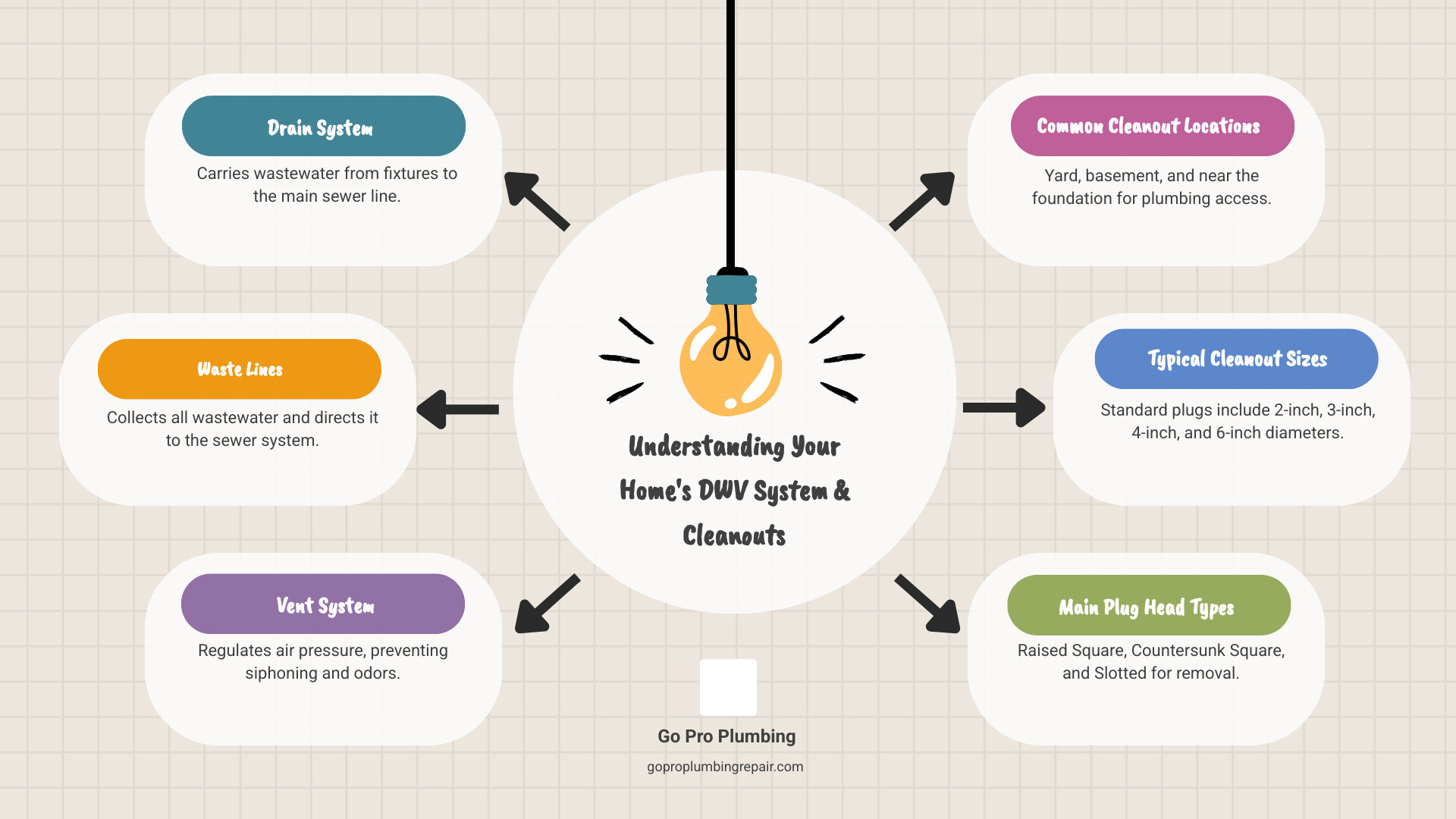
At Go Pro Plumbing, we know that understanding your home’s plumbing is the first step toward effective maintenance. A cleanout is a sealed access point into your home’s drain, waste, and vent (DWV) system. Its purpose is to allow plumbers (or savvy homeowners) to inspect drains, clear blockages, and perform maintenance without digging up pipes. When a drain clogs, a cleanout provides direct access for tools like drain snakes or hydro-jetting equipment, allowing for a quick diagnosis and fix.
More info about drain and sewer services
Types of Cleanout Plugs
Knowing which plug you have is key to choosing the correct clean out cap removal tool. The plug’s head design determines the wrench you need.
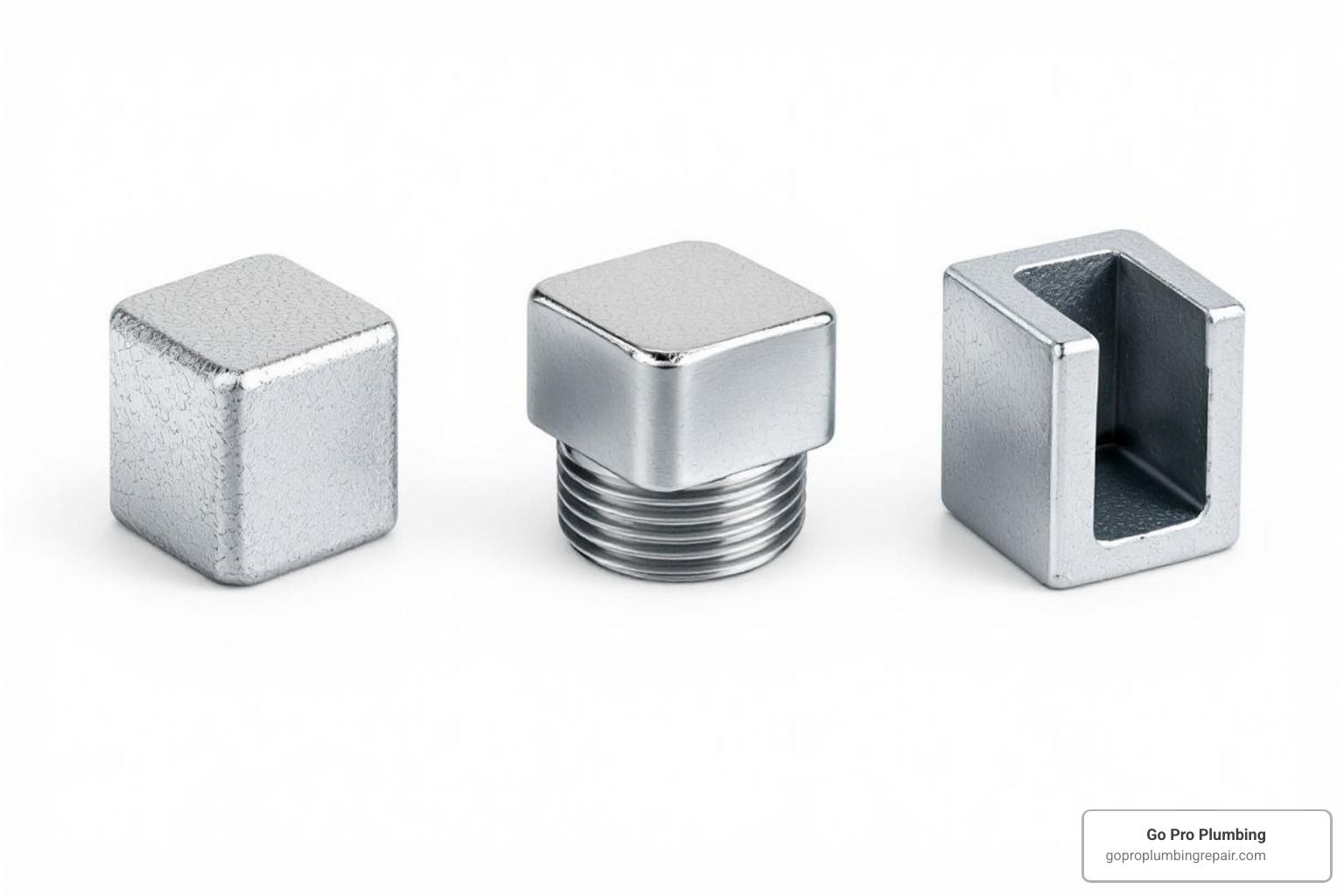
Here are the most common types:
- Raised Square Head: The most familiar type, with a square protrusion on top that a socket fits over.
- Countersunk Square Head: Features a square recess instead of a raised nut. This design sits flush with the surface, making it ideal for floors or driveways.
- Slotted Head: Has a single, large slot similar to a flathead screw, requiring a flat, blade-like tool.
Most cleanout plugs are threaded, meaning they screw in and out of the pipe fitting. They are typically made of PVC (common in newer homes and less prone to corrosion) or brass (found in older homes, durable but highly susceptible to seizing). A robust clean out cap removal tool is indispensable for dealing with stuck brass plugs.
Common Cleanout Sizes
Cleanout plugs come in standard sizes that correspond to the pipe’s diameter. Matching your clean out cap removal tool to the plug size is critical for a secure fit.
Common residential sizes include:
- 2-inch and 3-inch plugs: Often used for smaller branch lines or main drains within a house.
- 4-inch plugs: The most common size for main sewer cleanouts located outside the home.
- 6-inch plugs: Typically found on larger main sewer lines in commercial or large residential properties.
Specialized tools like a 4-way wrench or a comprehensive wrench set are designed to fit these common sizes. Using the wrong size tool can slip and strip the plug head, so ensuring a proper fit is essential for effective and damage-free removal.
The Essential Clean Out Cap Removal Tool: What to Look For
When faced with a stubborn cleanout cap, many homeowners reach for channel locks or a pipe wrench, often leading to stripped heads and damaged fittings. A specialized clean out cap removal tool is a necessity, not a convenience.
These tools are engineered to fit cleanout plugs precisely, providing maximum surface contact. This allows for high torque application without slipping, which is crucial for breaking free corroded caps. A generic tool grips only a small area, concentrating force and often stripping the head. A specialized wrench prevents damage by distributing force evenly, protecting both the cap and the pipe fitting.
| Feature | Single Multi-Head Wrench | Full Wrench Set |
|---|---|---|
| Versatility | Good for common sizes/types (e.g., 4-way for square heads) | Excellent for a wide range of sizes and head types |
| Cost | Generally lower (e.g., $27-$30 for a 4-way wrench) | Higher upfront cost (e.g., $50-$300 for a 13-piece set) |
| Space/Portability | Compact, easy to carry | Requires more storage space, heavier to transport |
| Specific Plug Types | May not cover all niche or unusual plug head designs | Likely includes sockets for raised, countersunk, and slotted |
| Professional Use | Suitable for quick jobs with known plug types | Essential for professionals encountering diverse cleanouts |
| Homeowner Use | Great for typical home cleanouts | Good for preparedness or homes with varied cleanouts |
For most homeowners, a quality multi-head wrench is sufficient. However, a comprehensive set offers the best preparation for older homes or varied plumbing systems.
Key Features of a Quality Clean Out Cap Removal Tool
When choosing a clean out cap removal tool, look for robust construction, smart design, and versatility.
- Durable Materials: The tool must withstand significant force. Look for high-strength materials like cast iron or alloy steel, which resist bending and breaking under high torque.
- Handle Type: The handle design is crucial for leverage. A T-handle allows for a firm, two-handed grip to maximize turning force. An extended shaft is essential for reaching cleanouts located deep underground, saving your back and providing better control.
- Multi-head Design and Versatility: A single tool that can handle multiple jobs is ideal. A multi-head wrench (like a 4-way tool) offers several square head sizes in one compact package. For ultimate versatility, a wrench set with interchangeable sockets for raised square, countersunk, and slotted plugs ensures you’re ready for any cleanout you might find.
Where to Find the Right Tool
Finding the right clean out cap removal tool is straightforward.
- Hardware Stores: Your local hardware store is a good starting point for basic multi-head wrenches.
- Plumbing Supply Stores: These stores offer a wider, professional-grade selection and comprehensive sets.
- Online Retailers: Websites like Amazon.com provide the largest selection, allowing you to compare prices and read reviews before buying.
Whether you choose a single tool or a set depends on your needs. A single 4-way wrench is cost-effective for common jobs, while a full set provides peace of mind and prepares you for any situation, making it a worthwhile investment for many homeowners.
How to Use a Cleanout Plug Wrench: A Step-by-Step Guide
Using a clean out cap removal tool correctly ensures the job is done safely and effectively. At Go Pro Plumbing, we always put safety first.
Safety Precautions
Before you begin, take proper safety measures. Sewer lines can contain harmful bacteria and gases.

- Always wear heavy-duty gloves and eye protection.
- Ensure good ventilation, especially if the cleanout is indoors.
- Locate the cleanout (typically outside near the foundation, or in a basement or crawlspace) and clear away any dirt or debris obstructing access.
Step 1: Select the Correct Wrench Head
- Identify the plug type: raised square, countersunk square, or slotted.
- Match the tool: Choose the wrench head or socket that fits the plug snugly.
- Ensure a snug fit: A tight fit with minimal wobble is crucial to prevent slipping and stripping the plug head.
Step 2: Applying Force Correctly
- Position yourself with a firm stance for good balance.
- Apply steady, even pressure, turning the wrench counter-clockwise to loosen.
- Use leverage. For stubborn caps, use your body weight to lean into the turn. Avoid sudden jerks.
- Be prepared for odors and potential spillage once the cap loosens.
- Unscrew the rest of the way by hand once the seal is broken.
Step 3: Installing the Cleanout Cap
Proper installation prevents leaks and makes future removal easier.
- Clean the threads on both the plug and the fitting to remove any dirt or old sealant.
- Apply pipe thread sealant (Teflon paste or tape) to the plug’s threads.
- Hand-tighten the cap first by turning it clockwise to prevent cross-threading.
- Use your clean out cap removal tool to give it a final quarter to half turn.
- Avoid over-tightening. This is a common mistake that can crack the cap or cause it to seize, making it extremely difficult to remove next time.
Troubleshooting Common Cleanout Cap Removal Problems
Even with the right clean out cap removal tool, some cleanout caps refuse to cooperate. The most common challenges are plugs stuck from corrosion and rust, stripped heads from using the wrong tools, and broken caps from excessive force.
A specialized tool helps combat these issues, but some situations require extra steps.
Techniques for a Stubborn Plug
If your cleanout plug won’t budge, try these techniques before applying brute force:
- Penetrating Oil: This is your best friend for rusted metal plugs. Apply a generous amount of penetrating oil (like PB Blaster) to the threads and let it sit for several hours or even overnight. This helps dissolve rust and lubricate the connection.
- Gentle Tapping: After applying oil, a few gentle taps on the cap with a rubber mallet can help break the corrosion bond through vibration. Never hit the wrench itself.
- Applying Moderate Heat (Extreme Caution!): For metal plugs only, a heat gun can cause the cap to expand and break the seal. Use extreme caution, keep the heat moving, and never use this method on PVC plugs or near flammable materials. This technique is often best left to professionals.
What to Do if the Plug is Stripped or Broken
If the plug head is stripped or the cap breaks, it’s time to stop and call a professional. This is where a simple task can turn into a costly repair.
- Stripped Plug: Once the head is rounded off, your standard clean out cap removal tool is useless. While extraction tools exist, they can easily damage the pipe fitting if used incorrectly.
- Broken Cap: Attempting to chisel out a broken cap piece risks permanently damaging the threads or cracking the pipe fitting itself, which can lead to major leaks and expensive repairs.
The risk of causing more significant damage is high. At Go Pro Plumbing, we have the specialized tools and experience to safely extract damaged plugs without harming your plumbing. When in doubt, it’s always safest to call for professional drain and sewer solutions.
Frequently Asked Questions about Cleanout Cap Tools
We get a lot of questions about clean out cap removal tools from homeowners. Here are answers to the most common ones.
What is the typical price range for a clean out cap removal tool?
The price depends on the type and quality of the tool.
- Single Tool Cost: A basic multi-head wrench, which is great for most homeowners, typically costs around $27-$30.
- Wrench Set Cost: A comprehensive set with multiple sockets for different plug types and sizes can range from $50 to $300. Professional-grade sets made from superior materials will be at the higher end of this range.
For occasional use, a quality single wrench offers excellent value.
Can a cleanout plug wrench be used for other purposes?
Generally, no. A clean out cap removal tool is highly specialized. Its design is specific to the square or slotted heads of plumbing cleanout plugs. It is not a general-purpose wrench and is not suitable for automotive or other mechanical tasks. Using it for unintended purposes could damage the tool or the item you’re working on.
How should I maintain my cleanout plug wrench?
Proper maintenance ensures your tool will last and be ready when you need it.
- Clean After Use: Always clean the tool with soap and water to remove dirt and grime.
- Dry Completely: To prevent rust, thoroughly dry the wrench after cleaning, especially if it’s made of steel or cast iron.
- Store Properly: Keep your tool in a dry place like a toolbox or garage cabinet.
- Inspect for Wear: Periodically check for signs of wear or damage, like rounded edges on the drive heads. A worn tool may not work effectively and should be replaced.
When in Doubt, Call the Professionals
This guide provides the knowledge to tackle a common plumbing task, but some jobs are best left to the experts. If you encounter a cleanout cap that won’t budge, is damaged, or if you’re unsure about any step, it’s always safest to seek professional help. For residents in Northern California facing stubborn plumbing issues, Go Pro Plumbing offers same-day service to resolve your drain and sewer problems quickly and safely. Don’t risk damaging your pipes; contact our expert team for drain and sewer services today.