
The Price of Peace of Mind: What to Budget for Gas Line Replacement
By Brian on December 26, 2025

Understanding Gas Line Replacement Costs
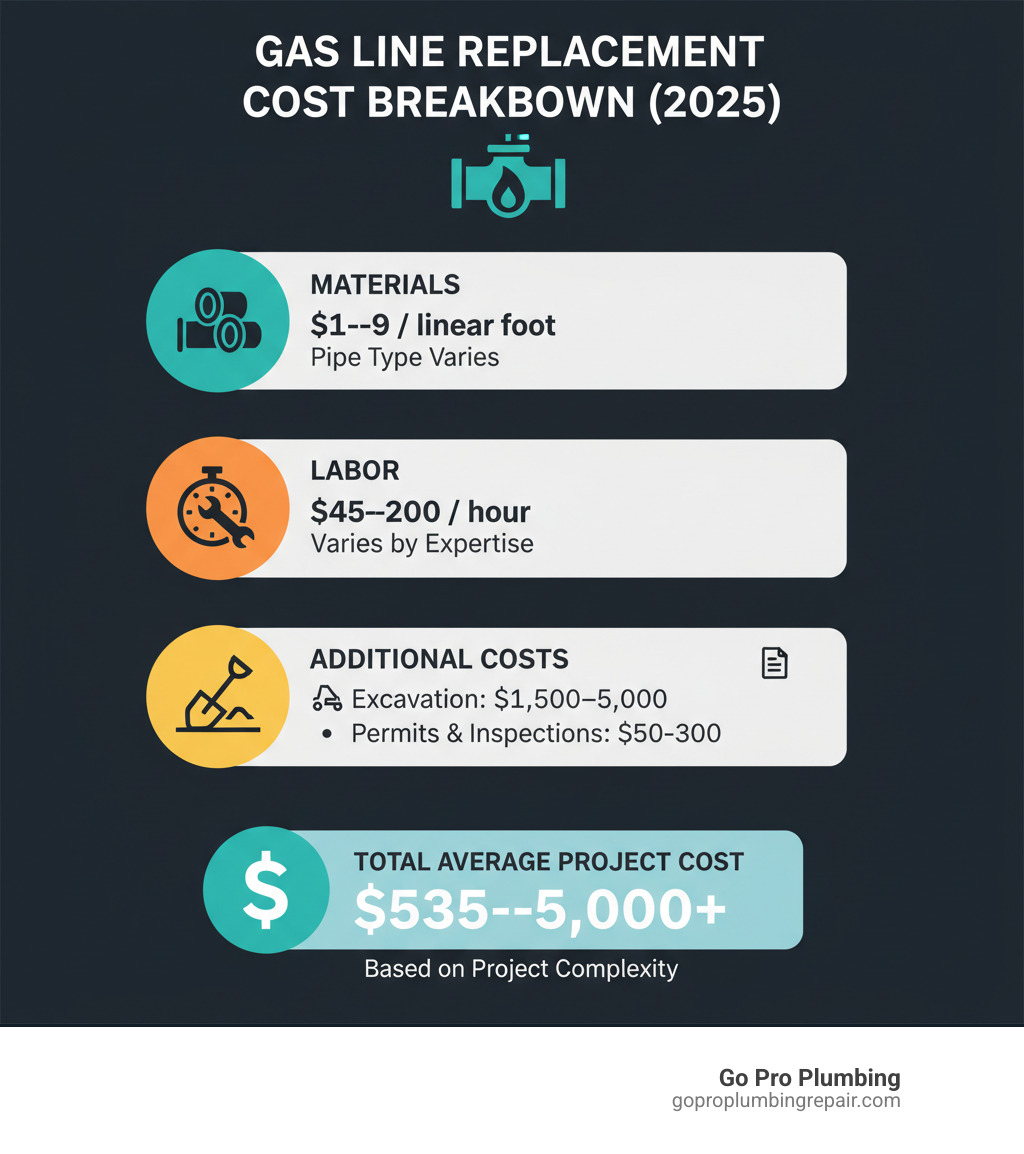
How much does it cost to replace a gas line? Based on current data, homeowners typically pay between $535 to $700 on average for gas line replacement. However, costs can range from as low as $120 for minor repairs to $5,000 or more for complex whole-home replacements that require excavation. The final cost depends on several key factors:
- Cost per linear foot: $8 to $25 per foot for replacement
- Whole-home replacement: $3,000 to $7,000
- Simple accessible repairs: $300 to $900
- Underground or behind-wall projects: $1,500 to $5,000+
- Labor rates: $45 to $200 per hour depending on expertise
If you’ve noticed a rotten egg smell, heard hissing sounds, or your gas lines are over 30 years old, you’re right to be concerned about safety. Gas line replacement isn’t just about fixing a problem—it’s about protecting your home and family from the risks of fires, explosions, and carbon monoxide poisoning.
The price you’ll pay depends on the pipe material, accessibility of existing lines, the need for excavation or drywall work, and local permit requirements. In Northern California, where strict building codes and earthquake safety regulations apply, understanding these costs upfront helps you budget appropriately. Whether you’re dealing with an aging system or upgrading for new appliances, professional replacement by a licensed contractor ensures safety, code compliance, and long-term reliability.
How Much Does It Cost to Replace a Gas Line? A Detailed Breakdown
When homeowners ask us how much does it cost to replace a gas line, the honest answer is: it depends on your specific situation. However, we can provide a clear picture of what to expect.
The typical gas line replacement project averages around $535, but this figure is just a starting point. Simple repairs for accessible lines might run as low as $120, while complex projects involving excavation can climb to $5,000 or more. A whole-home replacement typically costs $3,000 to $7,000.
The most common pricing model is $15 to $25 per linear foot for replacement, including materials and labor. This calculation becomes more complicated when gas lines are buried or hidden behind walls, as these situations require additional work like excavation or drywall repair, which significantly increases costs.
The key to avoiding sticker shock is understanding that every home is different. The age of your system, material choices, and the number of appliances all play a role. That’s why we always recommend a professional assessment to get an accurate quote for your home.
Material Costs: Comparing Different Pipe Types
The pipe material you choose has a significant impact on the total cost. It’s not just about the price per foot—it’s about lifespan, durability, and compliance with local building codes, especially regarding earthquake safety in Northern California.
Here’s a breakdown of your options:
| Material Type | Cost Per Linear Foot | Lifespan | Best Use Cases |
|---|---|---|---|
| Polyvinyl Chloride (PVC) | $0.22 – $1.55 | Up to 50 years | Low-pressure underground gas lines in stable soil conditions |
| High-Density Polyethylene (HDPE) | $0.50 – $1.50 | Up to 50 years | Underground and outdoor low-pressure applications with excellent durability |
| Copper | $1 – $3 | Around 20 years | Interior flexible connections, though less common due to shorter lifespan and strict code requirements |
| Brass | $1 – $3 | Around 20 years | Appliance connectors and specialized interior connections |
| Corrugated Stainless Steel Tubing (CSST) | $2 – $4 | 30-50+ years | Interior lines where flexibility is crucial, especially valuable in earthquake-prone areas |
| Galvanized Steel | $3 – $8 | 30-50+ years | Found in older homes but prone to internal corrosion over time |
| Black Iron | $3 – $8 | 30-50+ years | Highly durable main supply lines with excellent heat resistance |
Black iron pipe is a popular choice for its durability and heat resistance, making it ideal for main supply lines. For more details, our guide on black pipe gas line installation provides in-depth information.
CSST is increasingly used in California because its flexibility helps it withstand seismic activity, making it a superior safety choice for our region. While it costs more per foot, the peace of mind it offers is often worth the investment.
For homes with existing copper lines, we offer specialized repair copper gas line services. While not common for new installations, existing copper lines can often be repaired instead of fully replaced.
Labor and Professional Fees
Labor and professional fees typically make up the largest portion of your total cost. Gas line work requires specialized training, licensing, and experience to be done safely.
Licensed plumber rates in our service areas range from $45 to $200 per hour, depending on the expertise required. A master plumber will command higher rates than an apprentice. Most professionals also charge a call-out fee of $50 to $100, which is usually applied to the total cost if you proceed with the work.
An accessible repair might take only an hour or two, but a project requiring excavation could take several days. We always provide time estimates upfront. For emergencies like a suspected gas leak, expect higher rates. Our emergency gas line service team is available 24/7 for urgent situations.
When searching for “gas fitters near me“, this is not a job for a handyman. It requires specific licensing and insurance. Our team is fully certified and up-to-date on all local codes, ensuring the job is done right.
Project Complexity: Accessibility and Excavation
The location of your gas lines is a major cost factor. An exposed line in a basement is far simpler to replace than one buried underground.
Underground gas lines are the most expensive to replace, with projects easily reaching $5,000. Trenching costs $5 to $12 per linear foot and requires careful excavation to avoid other utilities. If the line runs under a driveway, we may use directional drilling to avoid damaging the hardscaping.
For lines behind walls, we must cut into drywall, which adds repair costs of $270 to $760. If we must dig up your yard, landscaping restoration can range from a few hundred dollars for reseeding grass to over $1,000 for more complex gardens. Cutting through concrete adds another $75 to $125 per cubic yard.
Longer lines and larger diameter pipes also increase material and labor costs. Finally, the more appliances you have—furnace, water heater, stove, gas grill connected to house—the more complex the system, which adds to the final price. This is why a thorough site assessment is essential for an accurate estimate.
Permits, Inspections, and Regional Regulations
Permits and inspections are critical for safety and legality, and they factor into the total cost. Building permits are required for most gas line work and typically cost $50 to $300. Skipping this step is illegal and can cause major issues with insurance or home sales.
After the work, a local inspector must verify that everything meets code, which costs $50 to $300. This includes a mandatory pressure test ($75 to $150+) to confirm there are no leaks.
Northern California has some of the strictest building codes in the country. California has strict regulations requiring pipes to be buried at least 18 to 24 inches deep to minimize earthquake damage. These are supplemented by national safety and inspection requirements that set baseline standards.
Our team handles all permitting and inspection requirements for your residential gas line repair sacramento ca project. We ensure your project is fully compliant, providing peace of mind that the work is done safely and correctly.
The Critical Decision: Repairing vs. Replacing Your Gas Line

When you have a gas line problem, you face a crucial question: repair or replace? The decision impacts not only the cost but, more importantly, your family’s long-term safety.
There’s no single answer. A targeted repair can be fast, less invasive, and more affordable. However, patching an aging or deteriorating system can be a temporary fix, leading to more problems and costs later. Our goal is to provide an honest assessment of your gas line’s condition to help you make the best decision for your home and budget.
When a Simple Gas Line Fix is Sufficient
Not every issue requires a full system replacement. A straightforward repair is often the best solution for isolated damage, such as a minor leak at a single connection point. If the rest of your system is in good condition, there’s no need to replace what’s working.
Small leaks at fittings can often be fixed in a few hours, typically costing between $300 and $900. We can get your gas line fixed quickly and safely. If your gas lines are relatively new (less than 20-30 years old) and made from quality materials, a repair is usually the most cost-effective choice. Sometimes, the problem is as simple as a failing shut-off valve, which is an affordable gas line valve replacement that doesn’t involve the pipes themselves.
If a repair fully solves the problem without compromising safety, it’s the smart move. We will never recommend a replacement if a targeted fix is sufficient.
Signs You Need a Full Replacement
While we aim to save you money with repairs, sometimes a complete overhaul is the only safe and responsible option. Continuing to patch an old, failing system is risky and can be more expensive in the long run.
Here are signs you likely need a full replacement:
- Widespread Corrosion or Rust: If your pipes show extensive deterioration, they are living on borrowed time. Corrosion weakens the metal, making future leaks almost inevitable.
- Outdated Materials: Older galvanized steel pipes are prone to internal corrosion and may not meet modern safety standards. Replacement with modern materials is the safest path.
- System Age: If your system is over 30 to 50 years old, it’s nearing the end of its expected lifespan. Even with regular gas line maintenance, materials eventually wear out.
- Frequent Leaks: Multiple leaks in different locations indicate a systemic failure, not just bad luck. Constant patching is not a sustainable or safe solution.
- Major Remodels or New Appliances: If you’re adding high-demand gas appliances, your existing lines may be improperly sized. This is an ideal time to evaluate the entire system for replacement.
- Code Non-Compliance: If your gas lines don’t meet modern building codes, especially California’s seismic safety requirements, an upgrade is necessary.
The Dangers of DIY: Why Professional Replacement is Non-Negotiable
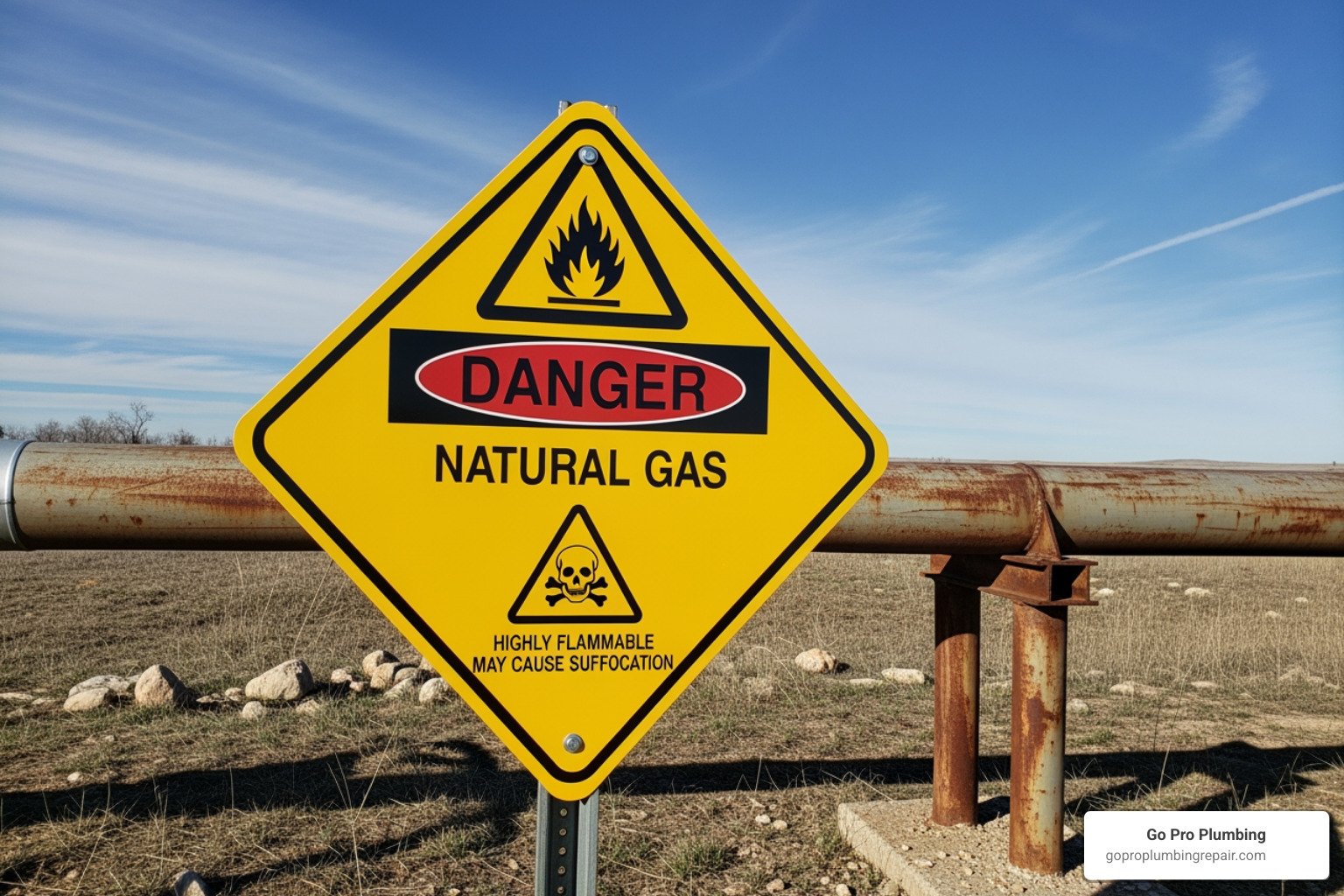
We understand the appeal of DIY projects, but when it comes to gas lines, the potential savings are never worth the risk. Gas line work is absolutely not a DIY project. Natural gas is incredibly useful, but it’s also incredibly dangerous when mishandled. The consequences of a mistake aren’t just costly—they can be catastrophic.
Safety Risks of Faulty Gas Lines
Improperly installed gas lines pose immediate and severe risks. A small error can quickly escalate into a life-threatening situation.
- Fire and Explosions: A tiny gas leak can be ignited by a simple spark from a light switch, leading to a devastating fire or an explosion powerful enough to destroy a home.
- Carbon Monoxide Poisoning: Incomplete combustion from a faulty connection produces carbon monoxide (CO), a colorless, odorless gas. CO poisoning can cause severe health problems or death before you even know it’s there.
- Legal and Financial Issues: DIY gas line work will not pass inspections and can void your homeowner’s insurance, leaving you liable for all damages.
Knowing how to recognize a gas leak can save your life. The primary sign is a rotten egg smell. You might also hear hissing sounds near gas lines or see dead vegetation above buried lines.
If you suspect a gas leak, act immediately: Evacuate everyone from the building. Do not use light switches, phones, or anything that could create a spark. Once you are safely away, call your gas company’s emergency number and 911. Never attempt to fix the leak yourself. A licensed plumber is equipped to handle the situation safely, but you may be wondering, can a plumber fix a gas leak? Yes, if they are properly certified.
The Importance of Hiring a Licensed Gas Line Contractor
Professional gas line contractors have the specialized training, tools, and knowledge of safety protocols that cannot be replicated with online tutorials. Working with pressurized gas requires skills developed over years of experience.
Code compliance is critical. Gas line installation must meet strict local, state, and national codes. Our plumbers that install gas lines sacramento ca know these regulations inside and out, ensuring your project is safe and compliant.
Liability protection is another key benefit. A licensed gas line contractor carries comprehensive liability insurance, protecting you from financial risk if something unexpected occurs. With DIY work, you assume all liability.
When choosing a professional, always verify their license and insurance. A reputable contractor will gladly provide these credentials. The true value of hiring a professional is the peace of mind that comes from knowing your family is safe and the job was done right.
Frequently Asked Questions about Gas Line Replacement
Homeowners often have questions beyond just how much it costs to replace a gas line. They want to understand lifespans, warranties, and the replacement process. Here are answers to some common questions.
What is the typical lifespan of a gas line?
Most gas lines are built to last, with a typical lifespan of 30 to 50 years or more. However, this depends on the material and environmental conditions.
- Black iron and galvanized steel can last 30-50+ years, but galvanized steel can corrode from the inside over time.
- CSST (Corrugated Stainless Steel Tubing) is a durable modern option, also lasting 30-50+ years, with added flexibility for earthquake safety.
- HDPE and PVC plastic pipes used underground can last up to 50 years or more in stable soil conditions.
- Copper and brass have a shorter lifespan of around 20 years and are less common today.
Environmental factors like corrosive soil can shorten a pipe’s life. We recommend a professional inspection around the 20 to 30-year mark, followed by regular gas line maintenance to catch any issues early.
Does a home warranty cover gas line replacement?
The answer is: it depends entirely on your specific warranty plan. Some basic plans may cover plumbing systems, but gas lines are often excluded or have limited coverage. Many plans will not cover issues arising from gradual deterioration, pre-existing conditions, or code violations.
Look for service line add-ons, which are more likely to include coverage for exterior gas lines. However, always be aware of exclusions and coverage caps, as the maximum payout may not cover the full cost of a major replacement.
Our advice is to read your home warranty contract carefully and call your provider to clarify coverage before you need it. A warranty can help offset costs, but it’s not a substitute for professional service from a licensed contractor.
How long does the replacement process take?
The timeline for a gas line replacement varies depending on the project’s complexity.
- Simple, accessible jobs, like replacing a short, exposed pipe, can often be completed in just 1 to 2 hours.
- Complex or underground projects that require excavation, trenching, or drywall removal typically take several days to complete. This includes installation, pressure testing, and restoration work.
Another factor is permit approval and inspection scheduling. The administrative process, from applying for a permit to getting the final inspection, can take several weeks, though the actual hands-on work is much shorter. After installation, the new line must pass a municipal inspection before the gas can be turned on. We work efficiently to minimize disruption and keep you informed every step of the way.
Secure Your Home with Professional Gas Line Services
By now, you understand the factors that determine how much it costs to replace a gas line—from a few hundred dollars for simple repairs to $5,000 or more for complex projects. You’ve seen how materials, accessibility, and local regulations shape the final investment.
More importantly, this is about protecting your home and family. The dangers of faulty gas lines—fires, explosions, and carbon monoxide poisoning—make professional replacement an absolute necessity.
When you choose Go Pro Plumbing, you partner with a team that prioritizes your safety. Our licensed gas fitters serve Northern California, including Sacramento and Rancho Cordova, with expertise and a commitment to the highest safety standards. We handle the entire process, from the initial assessment and permitting to the final inspection, ensuring your gas system is reliable, compliant, and safe for years to come.
Your family’s safety is not something to gamble on. Whether you have an aging system, are planning a renovation, or have noticed warning signs, now is the time to act. For a professional assessment and a precise quote for your gas pipe replacement, contact our expert team today. We’re ready to provide the peace of mind that comes with knowing the job was done right.