
Stop the Stink Simple Steps to Prevent Sewer Backups
By Brian on November 27, 2025
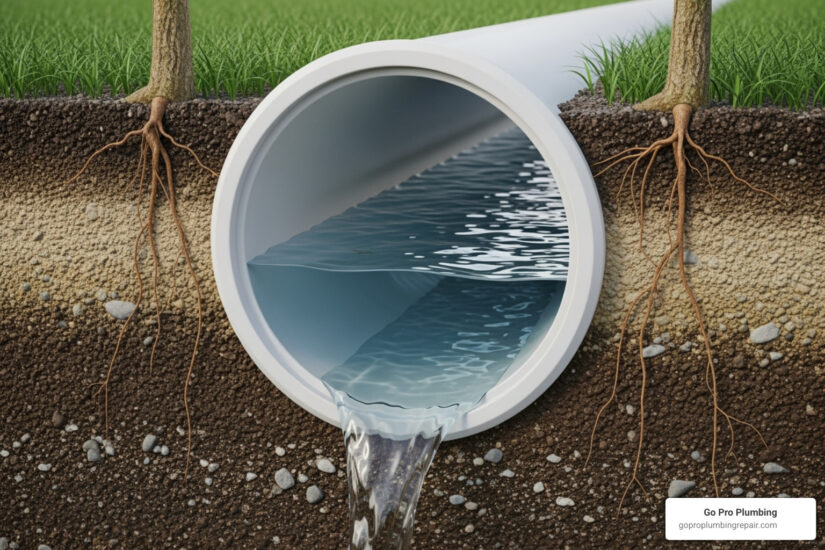
Why Sewer Backup Prevention Matters for Your Home
Sewer backup prevention is critical for protecting your home from costly damage, health hazards, and plumbing emergencies. Here are the key steps:
Quick Prevention Steps:
- Never pour grease, oil, or fat down your drains – they solidify and cause blockages.
- Only flush toilet paper – wipes, even “flushable” ones, don’t break down.
- Install a backwater prevention valve – it stops sewage from flowing back into your home.
- Schedule annual sewer line inspections – catch problems before they become emergencies.
- Manage tree roots near sewer lines – roots seek moisture and can infiltrate pipes.
Sewer backups are increasing by about 3% annually, with the nation’s aging sewer lines averaging over thirty years old. Critically, most homeowners’ insurance policies exclude coverage for sewer backup damage, leaving you to pay for repairs that can cost thousands.
The reality is that most backups are caused by clogs in the private sewer pipes you own and must maintain. The good news is that most sewer backups are preventable. Simple habits and basic maintenance can protect your Northern California home from disaster.
Understanding Your Plumbing: Sewer Lateral vs. Sewer Main
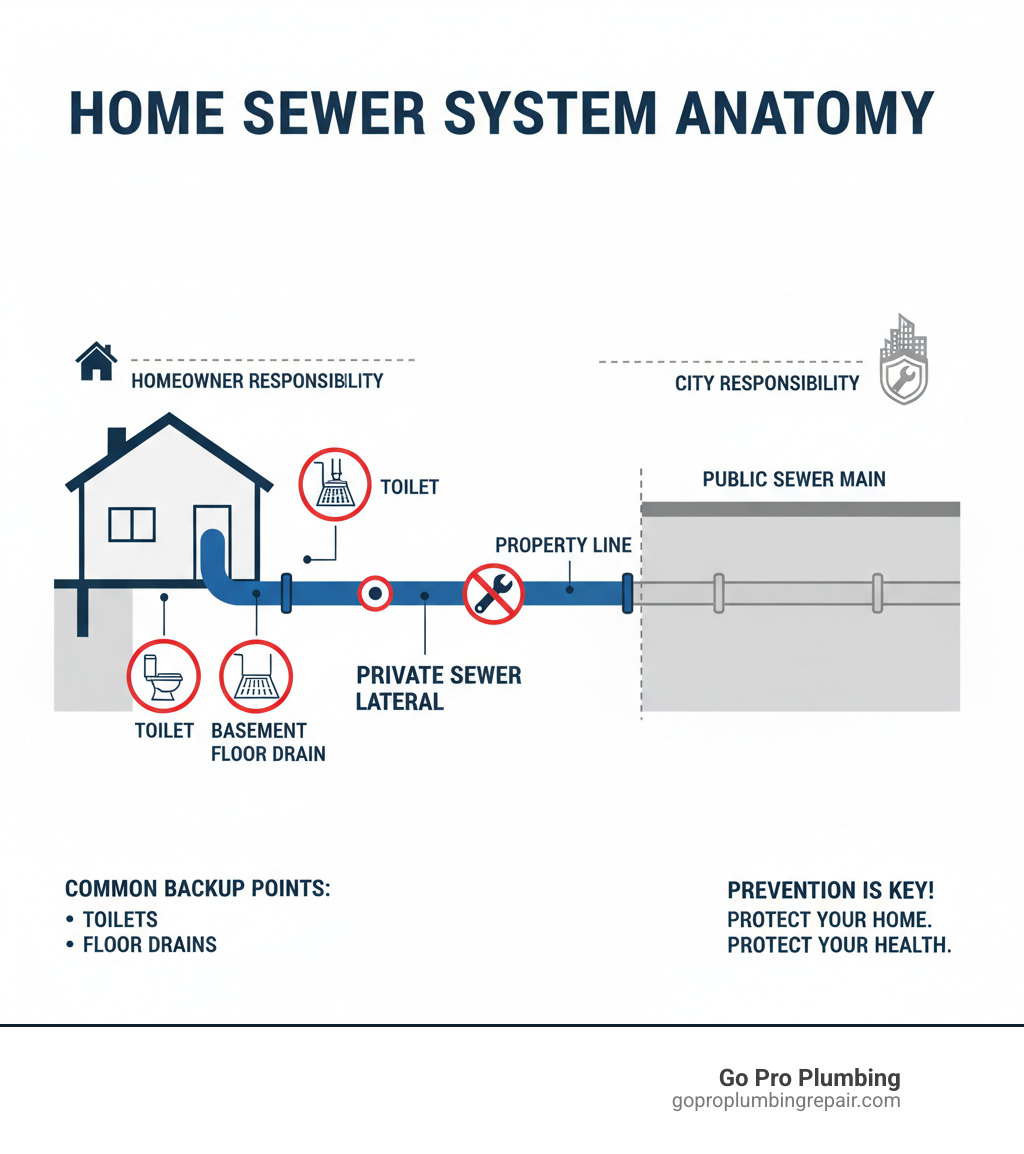
To effectively practice sewer backup prevention, you must know who is responsible for which part of your sewer system.
Your home’s drains all connect to a single underground pipe called the sewer lateral. This pipe carries all wastewater from your house to the city’s main sewer line, often located under the street.
Here’s the critical point: you, the homeowner, own and are responsible for your entire sewer lateral. This includes the section under your yard, the sidewalk, and the street, right up to the connection point. If this pipe clogs, cracks, or gets invaded by tree roots, the repair bill is yours.
The sewer main, in contrast, is the large pipe that collects wastewater from all the homes in your neighborhood. Your city or municipality is responsible for maintaining and repairing the public sewer main.
When a backup occurs, the city will check if their main line is clear. If it is, the problem is located in your private lateral, and the responsibility to fix it falls to you. Understanding this distinction is the first step in protecting your property. If you’re unsure about your sewer lateral’s condition, our team can perform a thorough inspection. You can find more info about sewer line service on our website. Knowing your system is essential for sewer backup prevention.
The Main Culprits: Top Causes of Sewer Backups
Most sewer backups are caused by a few specific, preventable problems. Understanding these is key to sewer backup prevention.
Fats, Oils, and Grease (FOG)
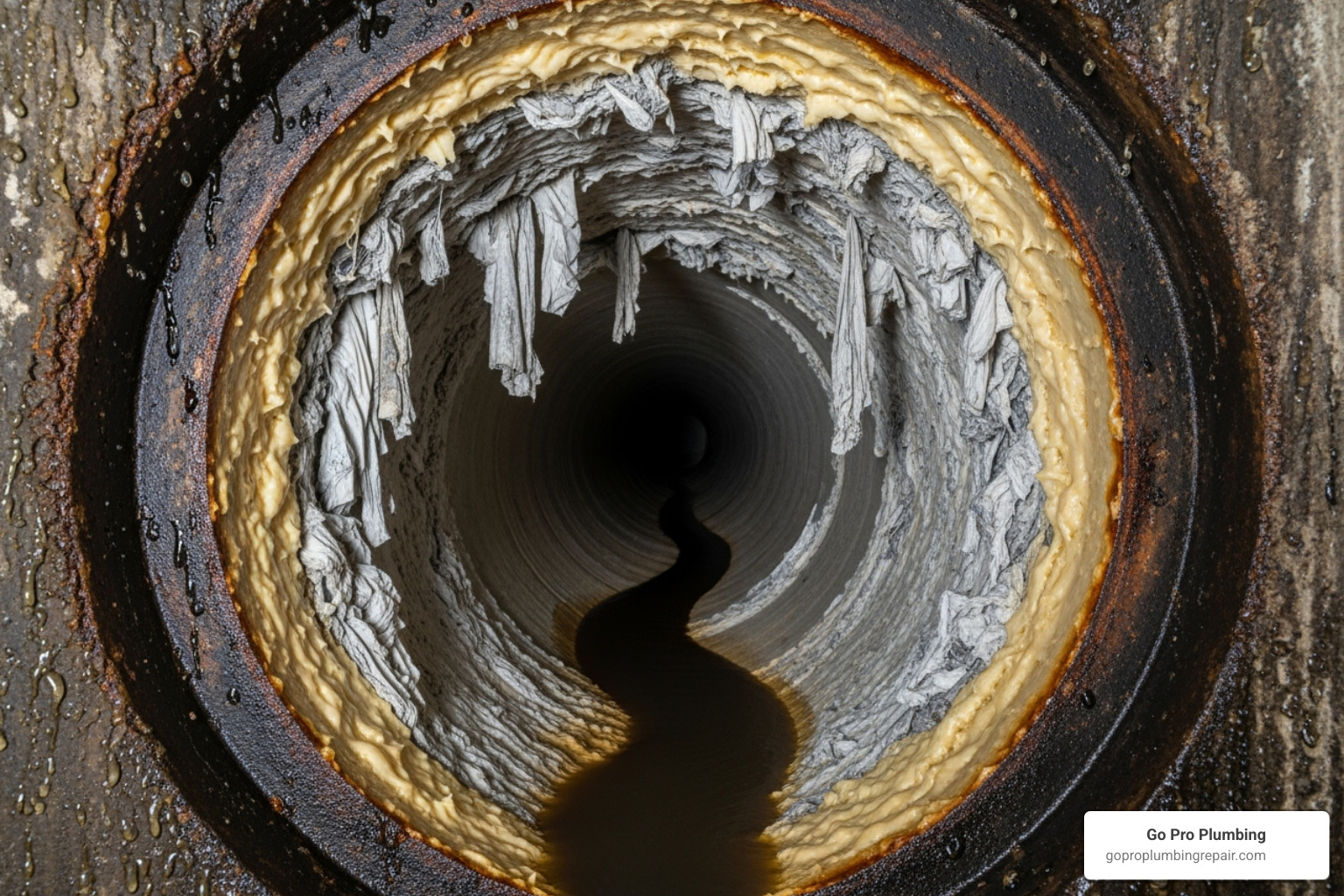
The number one cause of backups is FOG. When poured down the drain, these substances cool, solidify, and stick to pipe walls. Over time, this buildup chokes the pipe, leading to blockages. Never pour grease or oil down the drain.
Solid Clogs: The “Unflushables”
Your toilet is not a trash can. Only human waste and toilet paper should be flushed. Items like “flushable” wipes, paper towels, feminine hygiene products, dental floss, and cotton swabs do not break down. They create stubborn clogs that can shut down your system. If you have a tough clog, our team specializes in sewer line blockage removal.
Tree Root Intrusion
Tree roots naturally seek water, and a small crack in a sewer pipe is an open invitation. Once inside, roots expand and create a dense web that catches debris and causes a complete blockage. This is a common issue in Northern California due to its many mature trees.
Aging or Broken Pipes
Many sewer lines are over 30 years old and susceptible to cracking, collapsing, or shifting. Old clay or cast iron pipes are especially vulnerable. These structural failures create blockages and allow root intrusion.
Illegal Plumbing Connections
Connecting sump pumps, French drains, or roof downspouts to your sanitary sewer is often illegal and dangerous. These systems can overload the sewer main during heavy rain, causing widespread backups.
Warning Signs of a Potential Blockage
Your plumbing often gives warning signs before a major backup. Acting on them can prevent an emergency. Look out for:
- Slow drains in multiple fixtures throughout the house.
- Gurgling sounds from toilets or drains.
- Multiple fixtures acting up, such as a toilet bubbling when the washing machine runs.
- Sewage odors inside your home.
- Water backing up in a low-lying drain (like a shower) when a toilet is flushed.
If you notice these symptoms, it’s time to investigate the cause. For more details, see our guide on main line plumbing clogs.
Proactive Sewer Backup Prevention at Home
The best defense against a sewer backup is a good offense. Taking action before problems start is the most effective form of sewer backup prevention. A few smart habits and strategic upgrades can protect your family’s health, your home’s value, and your peace of mind. Regular attention to your plumbing makes all the difference, and we have more info about plumbing maintenance work to help.
Proper Disposal: What Not to Put Down Your Drains
This is the single most important thing you can do.
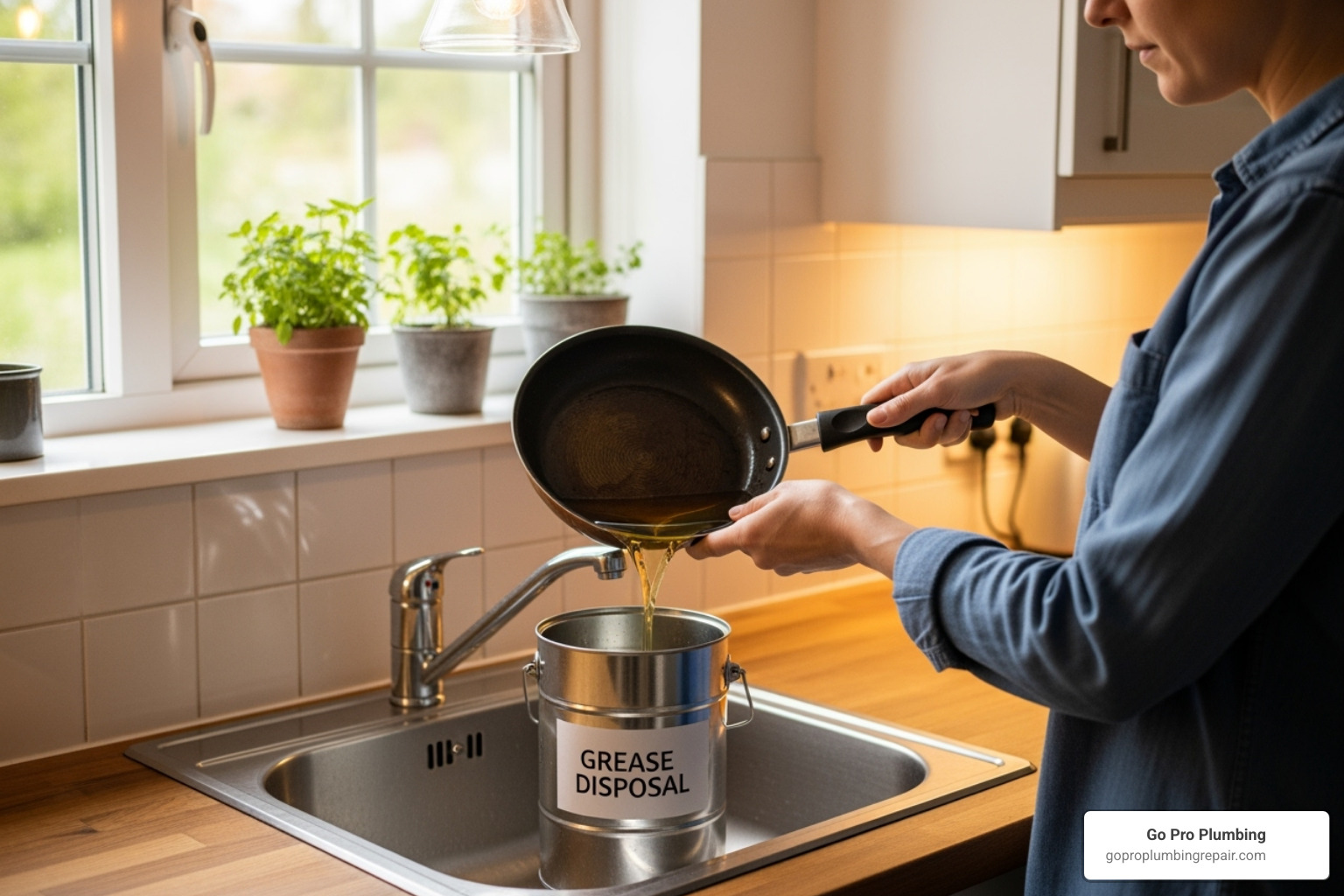
- Grease, Oil, and Fat: Never pour these down the sink. Pour cooled grease into a can or jar and throw it in the trash.
- Food Waste: Scrape food scraps into the garbage or compost before washing dishes. Use garbage disposals sparingly.
- Toilets: Only flush human waste and toilet paper. Never flush wipes (even “flushable” ones), paper towels, feminine products, or kitty litter.
- Screens and Chemicals: Use drain screens in sinks and showers to catch hair and debris. Avoid harsh chemical drain cleaners, which can damage pipes. For effective cleaning, explore our drain cleaning services.
Key Devices for Sewer Backup Prevention
Certain devices add an extra layer of protection, which is especially valuable in Northern California.
- Backwater Prevention Valve: This device is a one-way gate installed in your sewer lateral. If the city sewer main backs up, the valve closes automatically, preventing sewage from flooding your home. They require periodic inspection to ensure they function correctly. Learn more about backflow stop valves: the key to preventing sewer back-up and flooding.
- Drain Plugs and Sump Pumps: In flood-prone areas, temporary drain plugs can seal off drains during extreme weather. A sump pump is also crucial for keeping groundwater out of your basement. For more on this, see our info on basement drain backup.
The Role of Regular Maintenance in Sewer Backup Prevention
Proactive maintenance is the smartest way to avoid costly emergencies.
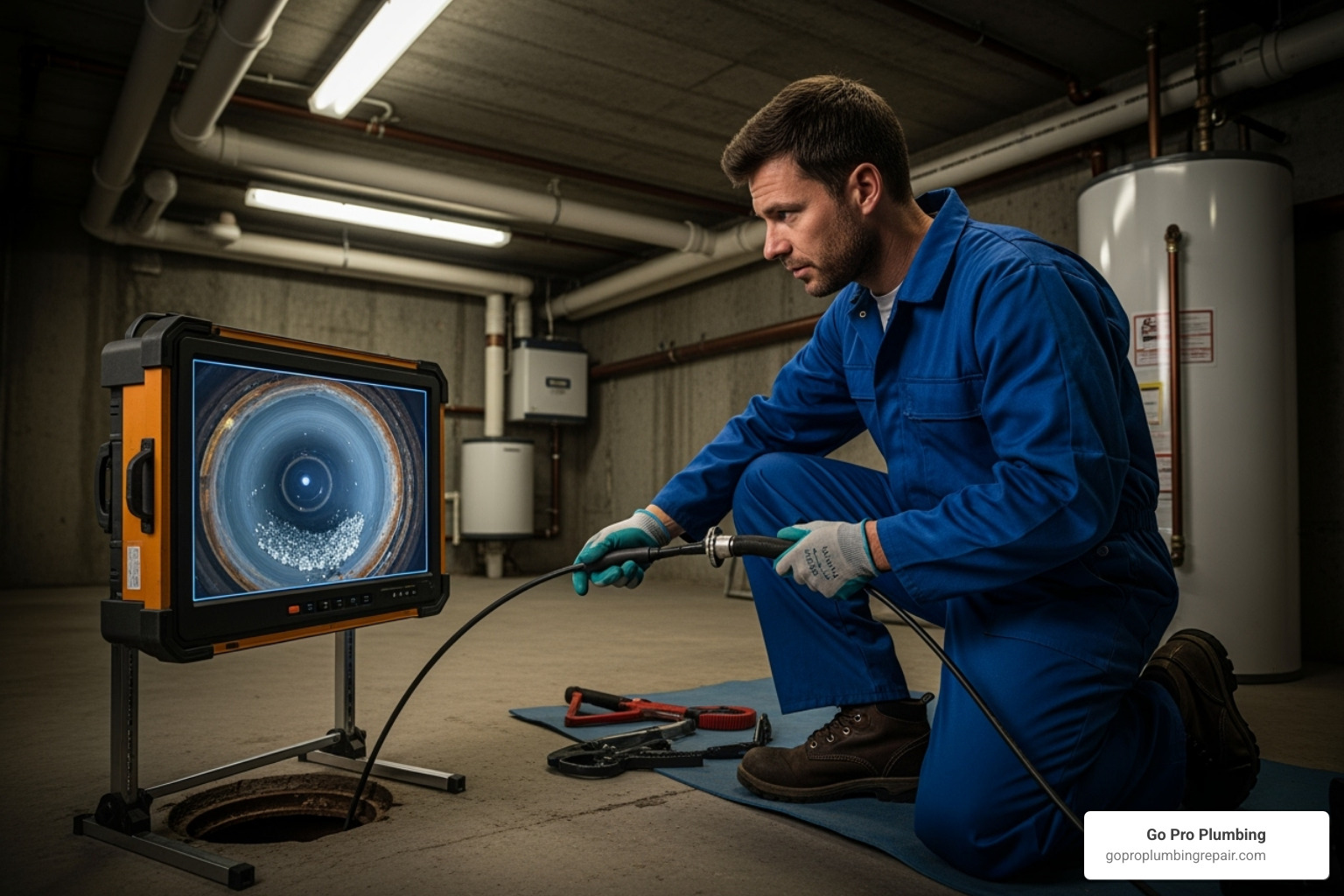
- Annual Sewer Camera Inspections: We send a camera down your sewer line to spot cracks, root intrusion, and blockages before they cause a backup.
- Professional Drain Cleaning: A professional cleaning removes buildup of grease and roots far more effectively and safely than chemical cleaners. We offer affordable sewer and drain cleaning to keep lines clear.
- Tree Root Management: If you have large trees, regular root cutting may be necessary. When planting new trees, keep them a safe distance from sewer lines.
- Pipe Replacement: For recurring problems, replacing old pipes with modern PVC is the best long-term solution. Our trenchless sewer line replacement services can replace your line without destroying your yard.
Emergency Plan: What to Do If a Sewer Backup Happens
Even with the best sewer backup prevention, emergencies can occur. Raw sewage contains dangerous pathogens and can cause electrical hazards and structural damage. If a backup happens, act quickly.
- Stop Using Water Immediately: Don’t flush toilets or run any faucets to avoid adding to the problem.
- Turn Off Electricity: If you can safely reach your breaker box without walking through water, shut off power to the affected area.
- Evacuate the Area: Keep children and pets away from the contaminated space.
- Call for Professional Help: Contact your city’s sewer department to check the main line, but don’t wait. Call a professional plumber immediately. We offer 24-hour emergency plumbing in Sacramento to diagnose and fix the problem fast.
- Contact Your Insurer: Report the incident to your insurance company. Standard policies often don’t cover backups; you typically need a specific rider. Learn more about sewer service line insurance.
- Document the Damage: Take photos and videos of the damage for your insurance claim.
Cleanup and Restoration
Sewage cleanup is not a DIY job. It requires professional equipment and disinfectants to do safely.
- Call a Professional Cleanup Service: Hire a certified restoration company that specializes in sewage remediation. For help, explore our sewer backup cleaning services near me.
- The Process: Professionals will remove contaminated porous materials (carpet, drywall), disinfect all surfaces with antimicrobial treatments, and thoroughly dry the area with industrial dehumidifiers to prevent mold growth.
- Save Receipts: Keep all receipts for services and replacements for your insurance claim.
For a detailed guide on the restoration process, see our resource on cleaning the basement after a sewer backup.
Frequently Asked Questions about Sewer Backup Prevention
Here are straight answers to common questions about sewer backup prevention.
Who is responsible if a sewer backup is caused by tree roots?
Responsibility is determined by which pipe is blocked, not who owns the tree. If roots—even from a neighbor’s or city tree—are blocking your private sewer lateral, you are responsible for the repairs. The city is only responsible for blockages in the public sewer main. Managing this may require preventive root cutting or a permanent sewer line repair.
Does homeowners insurance cover sewer backup damage?
No, most standard homeowners insurance policies specifically exclude damage from sewer backups. To be covered, you must purchase a separate sewer backup rider or endorsement. This is different from flood insurance, which covers damage from external flooding events. Call your insurance agent to review your policy and add this crucial coverage. For more details, see our guide on sewer service line insurance.
How much does a backwater valve installation cost?
A backwater valve is a great investment, but the cost varies. Factors include:
- The type of valve chosen.
- Accessibility of the sewer line. An easy-to-reach pipe in a basement is less expensive than one requiring excavation or breaking concrete.
- Labor and permit costs in your area.
While installation can range from several hundred to a few thousand dollars, it’s far less than the tens of thousands a backup can cost. A backwater valve can pay for itself by preventing just one disaster. For a precise quote, it’s best to get an expert assessment. You can get more info about getting a free plumbing estimate on our site.
Secure Your Home with Professional Plumbing Solutions
As this guide on sewer backup prevention shows, you have significant control over your home’s plumbing health. Most backups are preventable through proper habits and proactive maintenance.
By understanding your responsibility for the sewer lateral, being mindful of what goes down your drains, and recognizing warning signs, you can avoid most problems. However, proactive maintenance is crucial. An annual inspection, professional drain cleaning, and proper root management are smart investments that protect your home and health.
While good habits are your first line of defense, some issues require professional expertise and equipment. At Go Pro Plumbing, we provide skilled, caring service for everything from minor clogs to major backups. Serving homeowners and businesses in Northern California, including Sacramento and Rancho Cordova, we offer same-day service and a commitment to outstanding customer care.
Whether you need a sewer camera inspection, drain cleaning, or a modern pipe upgrade, we have the solution. Our trenchless sewer replacement services can replace a damaged sewer line with minimal disruption to your property.
Don’t wait for a disaster. Contact Go Pro Plumbing today to secure your home against the messy and costly consequences of a sewer backup.