
Never Wait Again: Understanding Your Recirculation System
By Brian on March 3, 2026
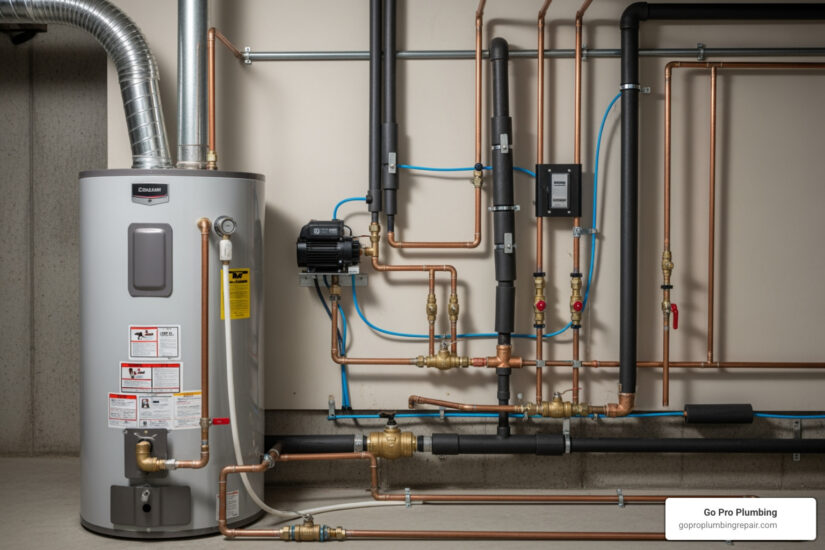
Introduction: The End of the Cold Water Wait
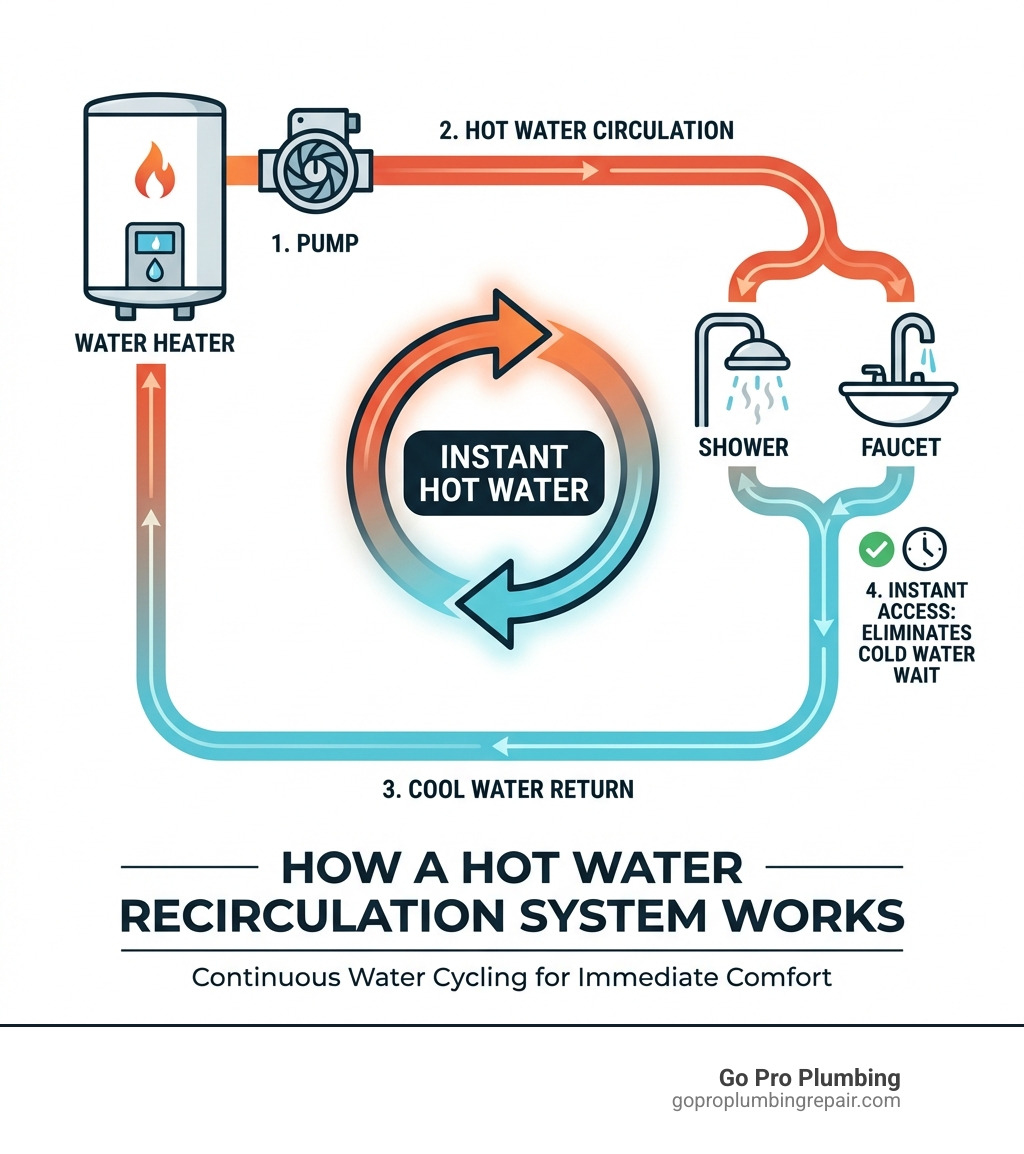
How does a hot water recirculation work? It’s a system that delivers hot water to your faucets and showers almost instantly, without you having to wait. Here’s a quick overview:
- Pump: A small pump is installed near your water heater.
- Circulation: This pump continuously moves hot water from the water heater through your hot water pipes.
- Return: As water cools in the pipes, it’s sent back to the water heater to be reheated. This creates a constant loop.
- Instant Access: Because hot water is always circulating, it’s immediately available when you turn on a tap, eliminating the cold water wait.
Ever turn on your faucet, waiting for hot water to arrive, only to be met with a cold, frustrating stream? You’re not alone. This common plumbing issue not only wastes your time but also precious resources. Between 400 billion and 1.3 trillion gallons of water are wasted nationally each year as households wait for water to heat up.
This is where a hot water recirculation system steps in. It’s designed to solve this exact problem, ensuring you get hot water quickly at every tap in your home. These systems reduce wait times, save water, and can even cut down on your energy bills. Demand recirculating systems, for example, can save upwards of 10,000 gallons of water per year while costing less than $2.00 in energy to run annually.
In this guide, we’ll break down exactly how these innovative systems function, explore their different types, and help you understand if one is the right solution for your home. Say goodbye to the cold water wait and hello to instant comfort!
Essential how does a hot water recirculation work terms:
- does a hot water recirculating pump run all the time
- electric tankless water heater with built in recirculating pump
- hot water heater return line
How Does a Hot Water Recirculation Work? The Core Mechanics
The frustration of waiting for hot water is a universal experience, especially in homes where the water heater is located far from the kitchen or bathroom. This happens because the hot water that was previously in the pipes has cooled down, becoming “dead water.” When you turn on the tap, you’re essentially flushing this cold water out until the freshly heated water from your water heater finally makes its way to you. This can take precious minutes and send gallons of perfectly good water down the drain.
A hot water recirculation system tackles this problem head-on by creating a continuous loop. Instead of letting that cooled water sit idly in the pipes, it’s gently pulled back to the water heater to be reheated and sent back out. This ensures that hot water is always close at hand, ready for your immediate use. It’s like having a dedicated express lane for your hot water!
So, how does a hot water recirculation work in practice? The system relies on a few key components working in harmony:
- The Pump: This is the heart of the system, responsible for moving the water.
- Piping: This includes your existing hot water lines and, depending on the system type, either a dedicated return line or a clever use of your cold water lines.
- Check Valve: This crucial component ensures water flows in only one direction, preventing cold water from entering your hot water lines or vice-versa where unintended.
- Crossover Valve (for retrofit systems): A smart little device that connects your hot and cold water lines at the furthest fixture, allowing cool hot water to return via the cold water pipe.

The Heart of the System: The Recirculation Pump
At the core of every hot water recirculation system is the pump. This small but mighty device is what keeps your hot water moving. Its primary function is to continuously draw hot water from your water heater and circulate it through your home’s hot water supply lines. As this hot water travels, it inevitably loses some heat, especially in uninsulated pipes. When the water in the lines cools down, the pump’s job is to send this now-cooler water back to the water heater to be reheated. This creates that efficient, never-ending loop of ready-to-use hot water.
System activation varies, but generally, the pump is controlled by a timer, a temperature sensor (aquastat), or an on-demand button. This ensures it only runs when needed, optimizing energy use while still delivering the convenience you desire.
When it comes to selecting a pump, quality matters. We often recommend looking for reputable pump brands known for their reliability and energy efficiency. Brands like Grundfos and Watts are excellent examples, offering robust solutions that stand the test of time.
The Return Path: Dedicated vs. Retrofit Systems
The way cooled water makes its journey back to the water heater is where recirculation systems primarily differ. There are two main approaches:
-
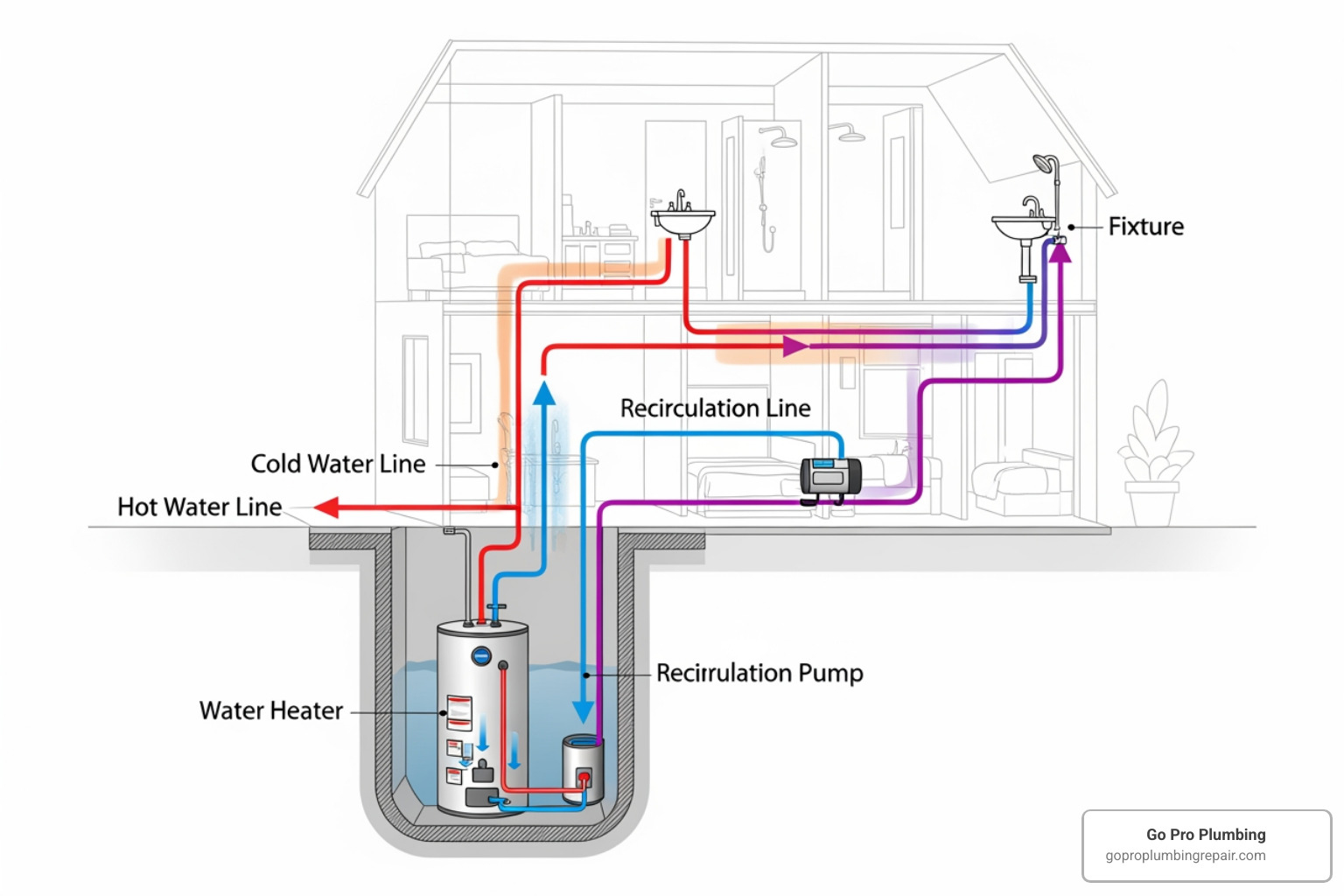
Dedicated Return Line Systems: These are the gold standard, typically installed during new home construction or major renovations. A dedicated return line is a separate pipe that runs alongside your hot water supply lines, creating a complete, closed loop. The recirculation pump pushes hot water out through the supply lines, and as it cools, it’s drawn back through this dedicated return line directly to the water heater. This setup is the most efficient and ensures that your cold water lines remain completely unaffected.
-
Retrofit (Crossover) Systems: For existing homes, installing a dedicated return line can be a costly and invasive process. That’s where retrofit systems shine. These clever solutions use your existing cold water line as the return path for the cooled hot water. Here’s how does a hot water recirculation work with this setup:
- A pump is installed near your water heater.
- At the fixture furthest from the water heater (often under a sink), a special device called a crossover valve or bridge valve is installed. This valve connects the hot and cold water lines.
- When the pump activates, it pushes hot water through the hot water lines. As the water cools, the crossover valve senses the temperature drop and opens, allowing the cooled water to flow into the cold water line, which then carries it back to the water heater.
- Once hot water reaches the crossover valve, it closes, preventing hot water from entering the cold water system unnecessarily.
While retrofit systems are incredibly convenient for existing homes, a minor side effect can be that the cold water tap might run lukewarm for a few seconds after the recirculation cycle, as the cold line temporarily carries warm water back to the heater. However, this is usually a small trade-off for the convenience of instant hot water.
Types of Recirculation Systems: Finding Your Perfect Match
Not all hot water recirculation systems are created equal. The key difference lies in their control strategies, which directly impact their energy efficiency and how they deliver hot water. Choosing the right system means balancing instant gratification with smart energy use. Let’s explore the various types:
-
Continuous Recirculation Systems: These systems are the simplest in concept: the pump runs 24/7, constantly circulating hot water. The benefit is truly instant hot water at all times. The drawback? Significant energy consumption. The pump is always running, and the water heater is cycling more frequently to maintain the water temperature in the pipes, leading to higher standby heat loss and increased energy bills. While convenient, we generally advise against this type due to its energy inefficiency, especially here in Northern California where energy conservation is always a priority.
-
Timer-Controlled Systems: A step up in efficiency, timer-controlled systems allow you to program the pump to operate only during specific hours when hot water is typically needed. For example, you might set it to run during morning showers and evening dishwashing times. This approach balances convenience with energy savings, as the pump isn’t running unnecessarily throughout the night or when no one is home. It’s an excellent choice for households with predictable schedules.
-
Temperature-Controlled (Aquastat) Systems: These systems use a thermostat sensor, often called an aquastat, to monitor the temperature of the water in the hot water line. The pump activates only when the water temperature drops below a pre-set threshold (e.g., 85°F) and turns off once it reaches a desired temperature (e.g., 95°F). This ensures hot water is maintained in the pipes without constant circulation, reducing energy waste. It’s a smart way to maintain comfort without overworking your water heater.
-
On-Demand Recirculation Systems: These are the champions of energy efficiency and water savings. On-demand systems operate only when you actively request hot water. This can be triggered by:
- Push-button activation: You simply press a button near the faucet you’re about to use, and the pump quickly circulates hot water.
- Motion sensors: Some advanced systems use motion sensors in high-traffic areas like bathrooms to anticipate demand.
- Smart controls: Modern systems can integrate with home automation platforms, learning your usage patterns and optimizing operation automatically.
On-demand systems ensure the pump runs for the shortest possible time, only when needed. This can lead to substantial water savings (up to 10,000 gallons per year for some households) and minimal energy consumption (less than $2.00 annually in energy to operate the system itself). According to Energy Star, a Demand Hot Water Recirculating System works by recirculating cooled water from the hot water line back to the water heater through the cold water line, with a control that turns off the pump when the desired temperature is reached. This is the most efficient way to enjoy instant hot water.
The Pros and Cons: Is a Recirculation System Right for You?
Deciding whether a hot water recirculation system is a good fit for your Northern California home involves weighing its many advantages against a few potential drawbacks. Our goal at Go Pro Plumbing is to help you make an informed decision that improves your comfort and efficiency.
| Benefit | Drawback |
|---|---|
| Instant Hot Water | Upfront Installation Cost |
| Significant Water Savings | Potential for Increased Energy Use (if uncontrolled) |
| Improved Convenience & Comfort | Possible Pump Noise |
| Reduced Energy Waste (municipal) | Water Heater Lifespan Impact (minor) |
| Potential for Tax Rebates & Incentives | Compatibility with Water Heater Type |
| Increased Home Value |
The Benefits: More Than Just Instant Hot Water
The most obvious advantage of a hot water recirculation system is the sheer convenience and comfort of having instant hot water. No more shivering in the shower or waiting patiently for the sink to heat up! But the perks extend far beyond immediate gratification:
- Water Conservation: This is a huge win, especially in our water-conscious region. Think about all the gallons of water that literally go down the drain while you wait for hot water. Recirculation systems eliminate this waste. The U.S. Department of Energy estimates that between 400 billion and 1.3 trillion gallons of water are wasted nationally each year. By preventing this, your household could save thousands of gallons annually. Demand recirculating systems, in particular, can achieve upwards of 10,000 gallons of water savings per year.
- Energy Savings (and Environmental Impact): While the pump itself uses a small amount of energy, the overall impact can be positive. By reducing the amount of water wasted, you’re also reducing the municipal energy used to treat and pump that water to your home. This translates to a smaller carbon footprint and contributes to broader environmental goals.
- Potential for Tax Rebates & Incentives: Many municipalities, including potentially some in our Northern California service area, offer rebates or incentives for homeowners who install water-saving systems. For example, the Contra Costa Water District provides information on hot water recirculation systems, indicating local interest in water conservation. It’s always worth checking with your local water provider or utility company!
- Increased Home Value: A modern home with instant hot water is a desirable feature. Installing a recirculation system can add to your home’s appeal and potentially increase its market value.
Potential Drawbacks and Considerations
While the benefits are compelling, it’s important to consider the other side of the coin:
- Upfront Installation Cost: There’s an initial investment for the pump and installation, which can vary depending on the system type (dedicated vs. retrofit) and whether you choose professional installation. However, for many homeowners, the long-term benefits in comfort and savings outweigh this initial cost.
- Energy Use (if uncontrolled): This is a critical point. If a recirculation system runs continuously, it can become an energy hog. The pump itself uses electricity, and the water heater has to work harder to keep the water in the pipes hot. This is why we emphasize using controlled systems (timer, temperature, or on-demand) to maximize efficiency and minimize energy bills. An improperly controlled system could be one of the biggest energy wasters in your home!
- Pump Noise: While modern pumps are generally quiet, some homeowners might notice a faint hum, especially if the pump is installed in a living area. Placement and insulation can help mitigate this.
- Water Heater Compatibility and Lifespan: Most recirculation systems are compatible with both tank and tankless water heaters. However, a recirculation system does mean your water heater will cycle more frequently, as it’s constantly reheating the circulating water. This could, theoretically, slightly reduce its overall lifespan, but the impact is often minimal, especially with properly sized and controlled systems. We’ll dive more into water heater compatibility next.
Installation, Maintenance, and Optimization
Once you’ve decided on a hot water recirculation system, understanding its interaction with your water heater, how to maximize its energy efficiency, and its maintenance needs are key to enjoying years of instant hot water.
How does a hot water recirculation work with different water heaters?
One common question we get is, “how does a hot water recirculation work with different types of water heaters?” The good news is that these systems are quite versatile and can be integrated with most water heater types, but there are nuances:
- Tank Water Heaters: These are generally the easiest to integrate. The recirculation pump simply connects to the hot water outlet of the tank, and the return line (dedicated or via cold water) brings cooled water back for reheating. Tank water heaters are designed for periods of standby heating, so integrating a recirculation system is straightforward.
- Tankless Water Heaters: Tankless (or on-demand) water heaters present a slightly different challenge because they only heat water when there’s a flow demand. When integrating a recirculation pump, it’s crucial to choose a pump specifically designed to work with tankless units. These pumps often have lower flow rates to avoid “short cycling” the tankless heater (turning it on and off rapidly), which can reduce its efficiency and lifespan. Some tankless models even come with built-in recirculation capabilities. Professional consultation is essential to ensure proper compatibility and flow requirements are met, preventing issues like the tankless unit not firing up correctly or running inefficiently.
How does a hot water recirculation work to save energy?
The key to making a hot water recirculation system an energy-saving asset rather than a drain is smart management. Here’s how does a hot water recirculation work to save energy:
- Pipe Insulation: This is perhaps the most impactful step. Insulating your hot water pipes significantly reduces heat loss from the circulating water. Less heat loss means the water heater doesn’t have to work as often to reheat the water, directly saving energy. It’s a simple, cost-effective upgrade that boosts efficiency for any hot water system.
- Importance of Timers: As discussed, continuous operation is an energy guzzler. Utilizing a timer allows you to program the system to run only during peak demand times, such as mornings and evenings. This dramatically cuts down on unnecessary circulation and reheating.
- On-Demand Controls: For maximum energy efficiency, on-demand systems are the way to go. They only activate when you need hot water, ensuring virtually no wasted energy on standby heating or unnecessary pumping.
- Setting the Aquastat Correctly: If you have a temperature-controlled system, setting the aquastat to an appropriate temperature (e.g., 95°F) ensures comfort without over-heating the circulating water, which would waste energy. Balancing this setting for your comfort and energy use is crucial.
System Maintenance and Lifespan
Like any mechanical system in your home, a hot water recirculation system benefits from occasional attention to ensure optimal performance and longevity.
- Annual Inspection: We recommend an annual inspection by a licensed plumber. This allows us to check for any leaks, ensure all connections are secure, and verify the pump is operating correctly.
- Checking for Leaks: Regularly visually inspect the pump and surrounding pipes for any signs of drips or moisture. Early detection of leaks can prevent bigger problems down the line.
- Cleaning Pump Screens: Some recirculation pumps have a small inlet screen that can collect sediment or debris, especially in areas with hard water. Cleaning this screen periodically (as per manufacturer instructions) ensures unrestricted water flow and prevents strain on the pump.
- Expected Pump Lifespan: With proper care, a hot water recirculation pump typically lasts between 5 and 10 years. Factors like water quality, frequency of use, and whether it’s regularly maintained can influence this lifespan. Regular maintenance helps ensure it reaches the higher end of that range.
Frequently Asked Questions about Hot Water Recirculation
Should a hot water recirculating pump run all the time?
No, a hot water recirculating pump should not run continuously. While it might seem like a sure way to always have instant hot water, continuous operation is a significant energy drain. The pump constantly uses electricity, and your water heater is forced to cycle much more frequently to maintain the water temperature in the pipes, leading to substantial standby heat loss. This can negate any energy savings and result in higher utility bills.
For optimal efficiency, we strongly recommend using a system with controls. Timer-controlled pumps can be programmed to operate only during peak usage hours (e.g., morning and evening). Temperature-controlled systems (aquastats) activate only when the water in the lines drops below a certain temperature. The most efficient option, however, is an on-demand system, which runs only when you specifically request hot water. These controlled approaches provide the convenience of instant hot water without the constant energy consumption.
How much water can a recirculation system really save?
The water savings from a recirculation system can be quite impressive! A properly controlled system, particularly an on-demand model, can save a typical household thousands of gallons of water per year. Consider this: if it takes 30-60 seconds for hot water to reach your faucet, and you do this several times a day at multiple fixtures, those wasted gallons add up quickly.
By eliminating the need to run the tap while waiting for hot water, you’re conserving every drop. Some estimates suggest that demand recirculating systems alone can achieve upwards of 10,000 gallons of water savings annually for a typical home. This not only benefits your water bill but also contributes to broader water conservation efforts, which are particularly important in our Northern California communities.
Does a recirculating pump work with a tankless water heater?
Yes, many modern recirculation pumps are designed to work effectively with tankless (on-demand) water heaters. However, there’s a crucial distinction: you need to choose a pump specifically compatible with tankless units.
Tankless water heaters only heat water when there’s a flow of water through them. A standard recirculation pump might push water too quickly, causing the tankless unit to “short cycle” – turning on and off rapidly – which can reduce its efficiency and potentially shorten its lifespan. Specialized tankless-compatible recirculation pumps have lower flow rates or smart controls that ensure the tankless heater operates smoothly. Some advanced tankless models even come with built-in recirculation features.
Given the specific requirements, we highly recommend consulting with a plumbing professional. Our team at Go Pro Plumbing can assess your tankless water heater, your home’s plumbing layout, and your hot water needs to recommend and install the appropriate recirculation pump system, ensuring seamless operation and maximum efficiency.
Get Instant Hot Water with Professional Installation
Saying goodbye to the cold water wait isn’t just about luxury; it’s about smart living. A hot water recirculation system offers unparalleled convenience, significant water savings, and, when properly installed and controlled, improved energy efficiency for your home. You’ll enjoy the comfort of instant hot water while also reducing your environmental footprint and potentially your utility bills.
Understanding how does a hot water recirculation work is the first step, but professional installation is key to open uping all these benefits. Our team at Go Pro Plumbing brings expertise and precision to every job, ensuring your system is perfectly integrated with your existing plumbing and water heater. We serve homeowners and businesses across Northern California, including Rancho Cordova and Sacramento, delivering top-notch service with a commitment to your satisfaction.
For expert advice and installation of water recirculation pumps, contact our team today. Let us help you experience the comfort and savings of instant hot water!