
Fixing the Unfixable: Innovative Slab Leak Repair Options
By Brian on December 24, 2025

What’s Hiding Beneath Your Floors?
Understanding slab leak repair options is critical when you find water on your floor or see a spike in your water bill. If your Northern California home is built on a concrete slab foundation, your plumbing runs beneath or within that concrete. When those pipes fail, you have a slab leak.
Here are your main slab leak repair options:
- Traditional Repair (Jackhammering): Breaking concrete to directly access and fix the pipe.
- Under-Slab Tunneling: Digging under the foundation from outside to reach the leak without disturbing interior floors.
- Trenchless Pipe Lining: Sealing the leak from inside the pipe with an epoxy coating.
- Pipe Bursting: Replacing the old pipe by pulling a new one through its path, with minimal digging.
- Pipe Rerouting/Repiping: Abandoning the leaking pipe and running new plumbing through walls or the attic.
A single slab leak can waste nearly 10,000 gallons of water annually, and delaying action can lead to foundation repairs costing $2,000 to $7,500 or more. Fortunately, modern methods offer choices beyond tearing up your floor. The right solution depends on the leak’s location, your pipe’s condition, your budget, and your tolerance for disruption.
This guide will walk you through each option to help you make the best choice for your situation.
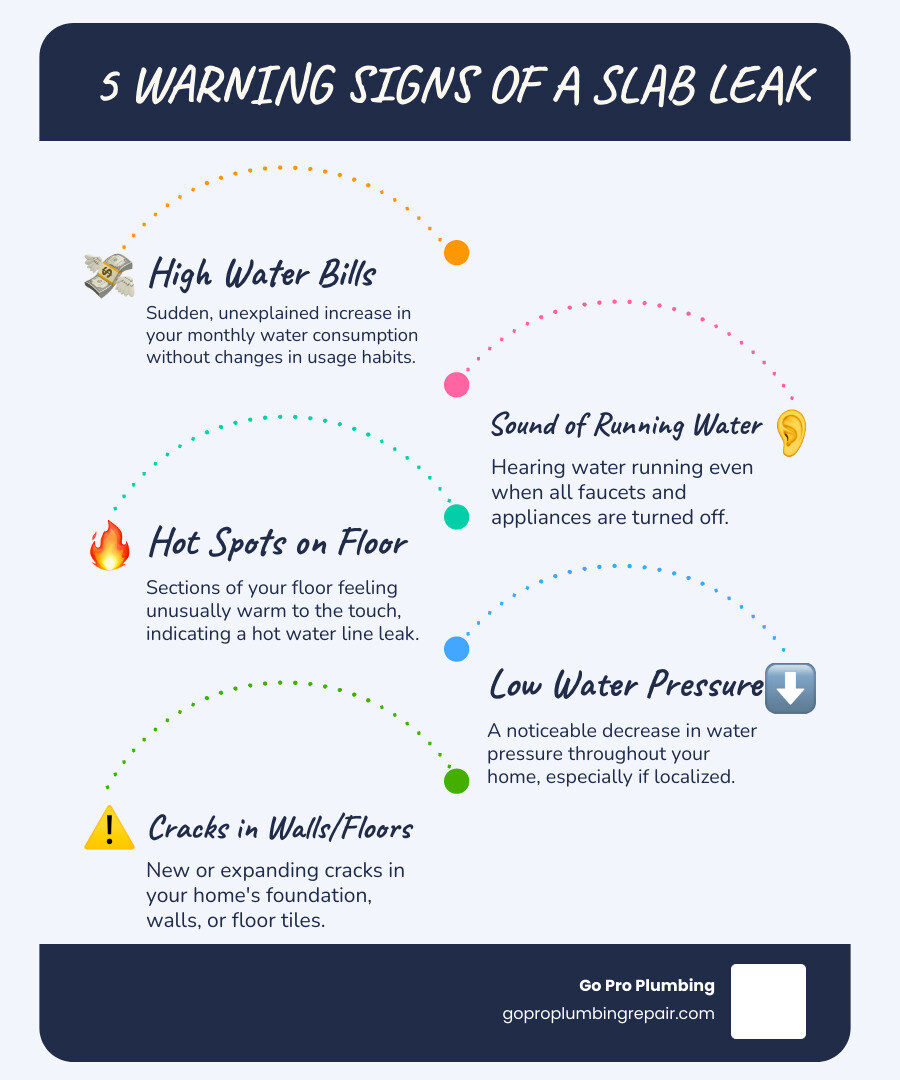
First Signs of Trouble: Detecting a Slab Leak Before It’s Too Late
Slab leaks are sneaky, but your home gives off warning signs. Spotting them early lets you explore slab leak repair options and prevent a minor issue from becoming a major headache.
- Sudden High Water Bills: If your usage hasn’t changed but your bill is climbing, an undetected leak is a likely culprit.
- Sound of Running Water: Hearing a faint hiss or drip when all fixtures are off is a clear sign of a leak.
- Warm Spots on the Floor: A patch of floor that’s unusually warm often indicates a hot water line is leaking. Learn more about hot water slab leaks to understand the cause.
- Drop in Water Pressure: If your shower feels weak or sinks take longer to fill, a leak could be diverting water from your fixtures.
- Cracks in Walls or Floors: Water saturating the soil can cause your foundation to shift, creating structural cracks.
- Musty Smells or Wet Spots: A persistent musty odor or damp spots on flooring point to moisture buildup and potential mold growth.
- Spinning Water Meter: Turn off all water in your home. If the meter is still moving, you have a leak.
The Risks of Delaying Repair
Ignoring these signs is expensive and dangerous. Constant water saturation erodes the soil supporting your foundation, leading to foundation damage that can cost $2,000 to $7,500+ to fix. You’re also wasting money on water—a single leak can waste nearly 10,000 gallons a year. This persistent moisture also creates a perfect environment for mold growth, which poses a health hazard. Finally, unresolved water damage will significantly lower your property value.
How We Detect Slab Leaks
At Go Pro Plumbing, we use advanced, non-invasive technology to pinpoint leaks.
- Pressure Testing: We perform a pressure drop test on your system to confirm a leak exists.
- Electronic Acoustic Listening: Sensitive devices amplify the sound of escaping water, allowing us to locate leaks with pinpoint accuracy.
- Thermal Imaging Cameras: These cameras detect temperature differences caused by hot or cold water leaks, narrowing the search area without demolition.
- Video Camera Inspection: For drain lines, we can send a camera into the pipe to visually confirm the leak’s location and assess pipe conditions.
These tools allow us to recommend the most effective and least disruptive repair. Learn more about our specialized Slab Leak Detection services.

A Homeowner’s Guide to Slab Leak Repair Options
Once a slab leak is detected, choosing the right repair method is key. The decision depends on the leak’s location, pipe age, extent of damage, and your budget. At Go Pro Plumbing, we’ll walk you through the slab leak repair options that make sense for your Northern California home, helping you make an informed choice.
Here’s a comparison of the primary repair methods:
| Repair Method | Pros | Cons | Estimated Cost Range* | Disruption Level |
|---|---|---|---|---|
| Direct Access (Jackhammering) | Direct access to the leak, potentially lower cost for small, isolated leaks, faster for simple fixes. | Highly disruptive, noisy, dusty, requires flooring removal and replacement, potential mess inside. | $500 – $1,500 (minor spot repair) | High |
| Under-Slab Tunneling | Preserves interior flooring and finishes, less mess inside, allows access to multiple leaks or longer pipe sections. | Labor-intensive, expensive due to excavation, potential for soil stability issues, longer repair time. | $1,500 – $4,000+ | Medium-High |
| Trenchless Pipe Lining | Minimally invasive, no-dig solution, fast curing, creates a durable new pipe inside the old one, residents can stay. | Not suitable for all pipe damage (e.g., collapsed pipes), slightly reduces pipe diameter, longevity concerns for some residential uses. | $1,500 – $4,000+ | Low |
| Pipe Bursting | Full pipe replacement, increases flow capacity, new durable pipe, minimal excavation (entry/exit pits only). | Requires entry and exit pits, more disruptive than lining, generally for larger pipe sections. | $3,000 – $10,000+ (depending on length and complexity) | Medium |
| Pipe Rerouting/Repiping | Permanent solution, avoids future slab leaks on that line, easier future access, often comes with warranties. | Can be expensive, requires cutting into walls/ceilings, may involve temporary water shut-offs. | $1,500 – $15,000+ (for full repipe) | Medium-High |
*Costs are estimates and can vary significantly based on location, leak severity, pipe material, and specific repair challenges.
Traditional Repair: Direct Access (Jackhammering)
This method involves breaking through the concrete directly above the leak with a jackhammer to access and repair the damaged pipe section. It’s a straightforward approach that can be cost-effective for a single, easily located leak. However, it is highly disruptive, creating noise and dust while requiring the removal and replacement of flooring. This option works best for newer homes with isolated leaks where the surrounding pipes are in good condition.
Under-Slab Tunneling
To avoid interior demolition, we can dig a tunnel under your foundation from the outside. This preserves your interior floors, tile, and other finishes, making it ideal if you want to protect a valuable interior. Tunneling also allows access to longer sections of pipe. The trade-off is higher labor costs due to the intensive excavation and backfilling process, along with temporary disruption to your landscaping.
Trenchless Solutions: Pipe Lining and Pipe Bursting
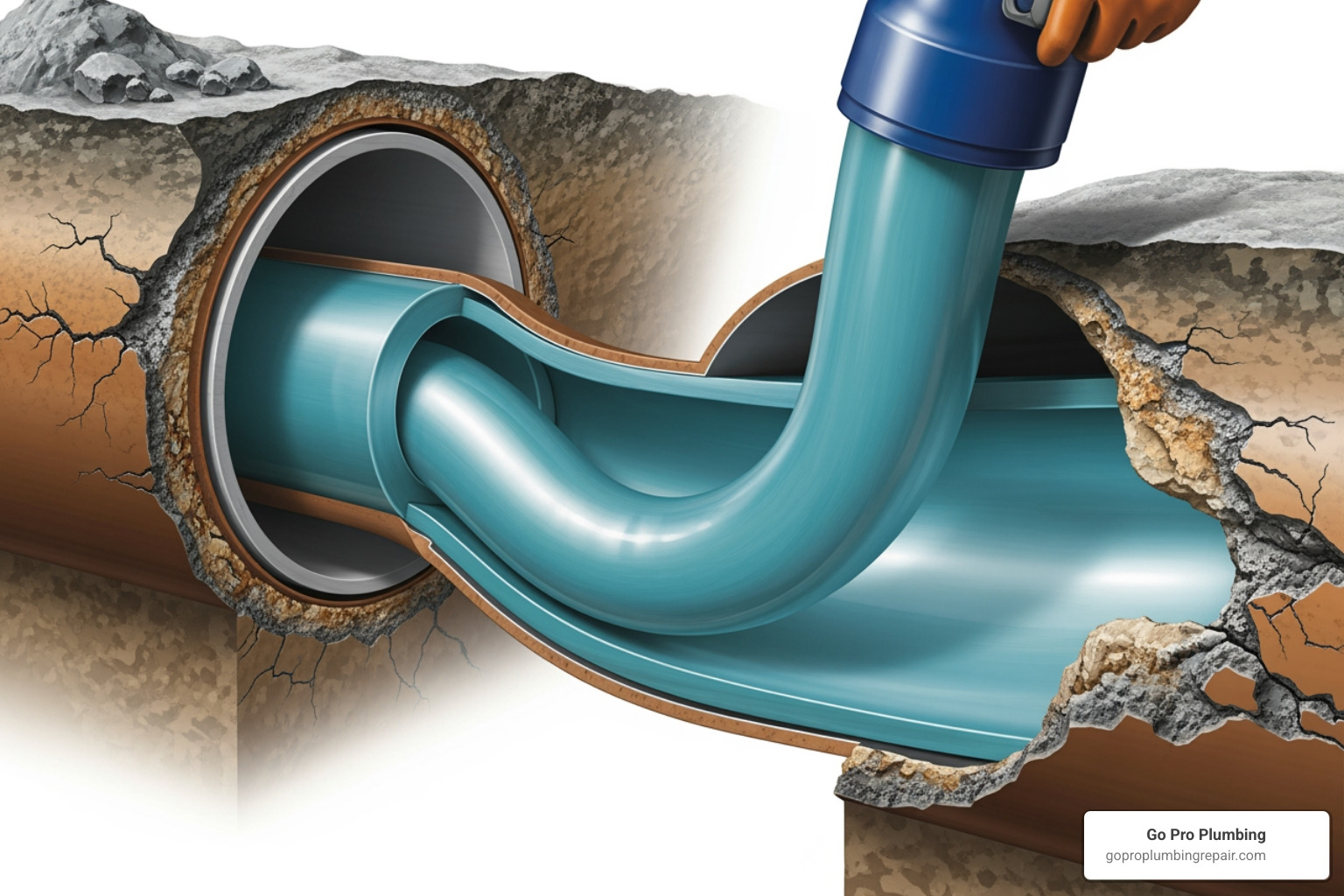
Trenchless technology offers modern, minimally invasive slab leak repair options.
-
Pipe Lining (Epoxy Coating): We insert a resin-saturated liner into the damaged pipe, which hardens to create a new, seamless pipe inside the old one. This no-dig solution seals the leak with minimal disruption, often allowing you to stay in your home during the repair. It’s not suitable for collapsed pipes and slightly reduces the pipe’s internal diameter.
-
Pipe Bursting: This method replaces the old pipe by pulling a new one through it. A bursting head breaks apart the old pipe while pulling the new, durable pipe into place. It requires small entry and exit pits but avoids a full trench. This is an excellent option for replacing longer sections of pipe and increasing flow capacity.
Pipe Rerouting and Repiping
Sometimes the best solution is to bypass the problem entirely. We abandon the leaking pipe under the slab and install new plumbing lines through walls, ceilings, or the attic. This is the most permanent solution, as it eliminates the risk of future slab leaks on that line and makes future maintenance easier. A full repipe is a smart investment for homes with old, deteriorating pipes (e.g., galvanized steel) or frequent leaks. While it involves a larger upfront cost ($1,500 – $15,000+) and requires cutting into drywall, it provides long-term peace of mind. If you’re wondering when to consider a full repipe, our team can help you evaluate your situation.
Understanding the Costs and Timeline of Slab Leak Repair
Facing an unexpected repair bill is stressful. Understanding the potential costs and timeline can help you plan and make confident decisions.
What You Can Expect to Pay
The national average for slab leak repair is around $2,300, but costs can range from $630 to $15,000 or more depending on the job’s complexity.
- Detection Costs: Before repair, finding the leak costs between $150 and $600. Accurate detection is crucial to avoid unnecessary demolition.
- Repair Costs: A simple under-slab plumbing repair might cost $500 to $4,000. Rerouting plumbing can range from $1,500 to $15,000+ for a full home repipe.
- Additional Costs: If the leak has been active for a while, you may face foundation repair costs of $2,000 to $7,500. Learn more about these expenses on our foundation water leak repair costs page.
Labor for licensed plumbers in Northern California typically falls between $45 and $200 per hour. The final cost is also influenced by the leak’s location, the repair method chosen, your pipe material, the extent of the damage, and any necessary restoration (flooring, drywall, etc.).
How Long Will This Take?
Most slab leak repair options take between one and three days to complete. A simple spot repair may be done in a day, while a full repipe could take longer.
During the repair, your water service will be temporarily shut off. We work efficiently to minimize this disruption, but it’s wise to plan for a period without running water. We will provide a realistic timeline upfront and keep you informed throughout the process. With our same-day service commitment, we can often begin your repair the day you call.
Beyond the Fix: Prevention and Long-Term Solutions
After a repair, you’ll want to prevent future slab leaks. While some causes are uncontrollable, proactive steps can protect your home’s plumbing.

Preventing Future Leaks
- Schedule Regular Inspections: Annual plumbing inspections, especially for homes over 20 years old, can catch corrosion or weak points early.
- Regulate Water Pressure: High pressure stresses pipes. Keep your home’s pressure between 50 and 75 psi. A pressure regulator can prevent damage.
- Install a Water Softener: Hard water in Northern California causes mineral buildup that corrodes pipes. A water softener extends your plumbing’s lifespan.
- Avoid Chemical Drain Cleaners: Harsh chemicals can eat away at pipe walls. Use enzymatic cleaners or call a professional for clogs.
- Fix Small Leaks Promptly: A dripping faucet can indicate larger pressure issues. For urgent problems, our Emergency Plumbing Leak Repair team is available.
- Ensure Proper Drainage: Prevent water from pooling near your foundation, as this can cause soil to shift and stress pipes.
When to Repipe vs. Spot Repair
Choosing the right slab leak repair options involves a long-term view. A spot repair is cheaper upfront but may be a temporary fix for an aging system.
Consider a full repipe if:
- Your plumbing is old: If your home was built before the 1980s with original copper or galvanized steel pipes, the entire system is likely deteriorating.
- Leaks are frequent: If you’re dealing with multiple leaks, you’re throwing good money after bad. The cumulative cost of spot repairs can exceed that of a repipe.
- Your pipe material is failing: Older copper pipes are known for pinhole leaks. Replacing them with modern PEX piping or high-quality copper provides a durable, long-term solution.
A full repipe is a larger investment ($1,500 – $15,000+), but it offers a permanent solution with warranties, increased home value, and peace of mind. If you’re unsure, our team can help you decide. Learn more about when to consider a full repipe.
Frequently Asked Questions about Slab Leak Repair
Slab leaks bring up many questions. Here are answers to some of the most common concerns we hear from Northern California homeowners.
Can my homeowner’s insurance cover slab leak repairs?
The answer is: it depends on your policy. Most policies cover the “sudden and accidental” water damage to your flooring, walls, and furniture. However, many policies do not cover the cost of repairing the pipe itself, especially if the failure is due to gradual wear and tear or corrosion. Contact your insurance agent immediately to understand your specific coverage and documentation requirements.
What are the biggest risks of ignoring a slab leak?
Ignoring a slab leak is a costly gamble. The primary risks include:
- Foundation Damage: Water erodes the soil supporting your home, causing the foundation to crack and shift. These repairs can cost $2,000 to $7,500 or more.
- Wasted Money: A single leak can waste 10,000 gallons of water per year, driving up your utility bills. Household leaks can waste nearly 1 trillion gallons of water annually nationwide.
- Mold and Mildew: The damp environment is a breeding ground for mold, which can cause health problems and is expensive to remediate.
- Decreased Property Value: Water damage and foundation issues are major red flags for potential home buyers.
A slab leak is an emergency. The longer you wait, the more expensive the fix becomes.
What is the difference between a temporary and a permanent slab leak fix?
This is a key distinction when considering your slab leak repair options.
A temporary fix, like a spot repair or patch, addresses only the immediate symptom—the single leak point. If your plumbing system is old, other leaks are likely to follow because the underlying cause (pipe deterioration) hasn’t been addressed.
A permanent fix, such as repiping, rerouting, or pipe bursting, solves the root problem. These methods replace or bypass the old, failing pipe with new, durable materials. While the upfront cost is higher, a permanent solution provides long-term security and prevents the cycle of repeated repairs.
Conclusion: Secure Your Foundation with the Right Repair
A slab leak is stressful, but you have choices. We’ve covered your main slab leak repair options, from direct access to trenchless solutions and full repiping. The right choice depends on your home, budget, and long-term goals.
The most important step is to act quickly. An unaddressed leak will only cause more damage to your foundation and your finances. Early detection and decisive action can save you thousands.
At Go Pro Plumbing, we serve homeowners throughout Northern California, including Sacramento and Rancho Cordova, with a commitment to clear communication and professional service. We provide honest assessments and recommend the solution that truly fits your needs.
Our experienced technicians use quality materials and best practices to get the job done right, with same-day service available to address your problem quickly. We’re here to answer your questions and restore your peace of mind.
Ready to protect your home’s foundation? For a comprehensive evaluation and to explore your repair options in Northern California, contact our Slab Leaks specialists today.