
Best Drain Openers for Toilets, Showers, and Bathtubs
By Brian on February 13, 2026

Why Finding the Right Drain Opener for Toilet Clogs Matters
A drain opener for toilet clogs is essential when your bathroom is backed up. The right solution depends on the clog type, your plumbing, and your urgency.
Quick Answer: Best Drain Openers by Type
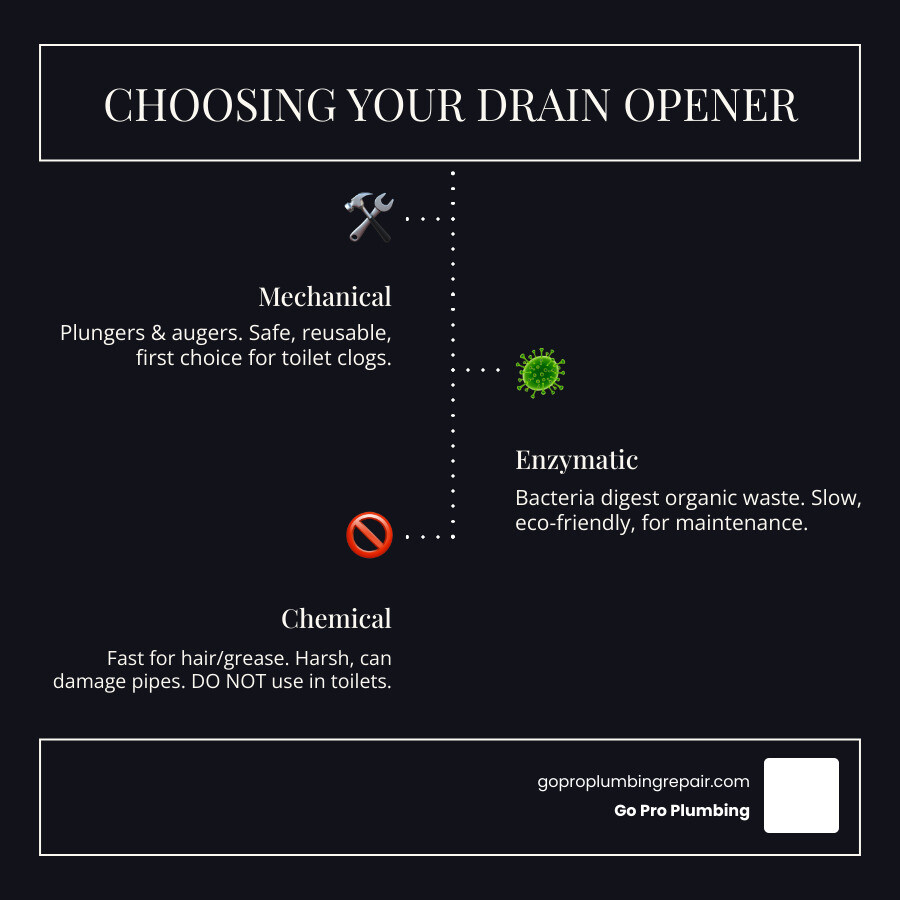
- Mechanical (Plunger/Auger): Best first choice for toilets – safe, effective, reusable
- Enzymatic: Best for regular maintenance and septic systems – slow but safe
- Chemical: Fast for hair/grease in showers/tubs – NOT recommended for toilets
According to research, the global drain cleaner market is a multi-billion dollar industry, but here’s the catch: most popular chemical drain openers are not safe or effective for toilets.
A clogged toilet is a frustrating mess. While your first instinct might be to grab a drain cleaner, that could make things worse. Toilets have a unique trap that stops most liquid openers from reaching the clog. Plus, harsh chemicals can damage the porcelain bowl and internal seals. Shower and tub clogs, however, are different and may respond to other solutions.
This guide will help you choose the right drain opener for your specific situation. We’ll cover mechanical tools, enzymatic cleaners, and chemical options, explaining when each works best and when to call a professional plumber.
Relevant articles related to drain opener for toilet:
Understanding the Clog: What’s Blocking Your Drain?
Before we dive into solutions, let’s understand the problem. Knowing what you’re up against is half the battle in choosing the right drain opener for toilet, shower, or tub.
Common Culprits in Toilets
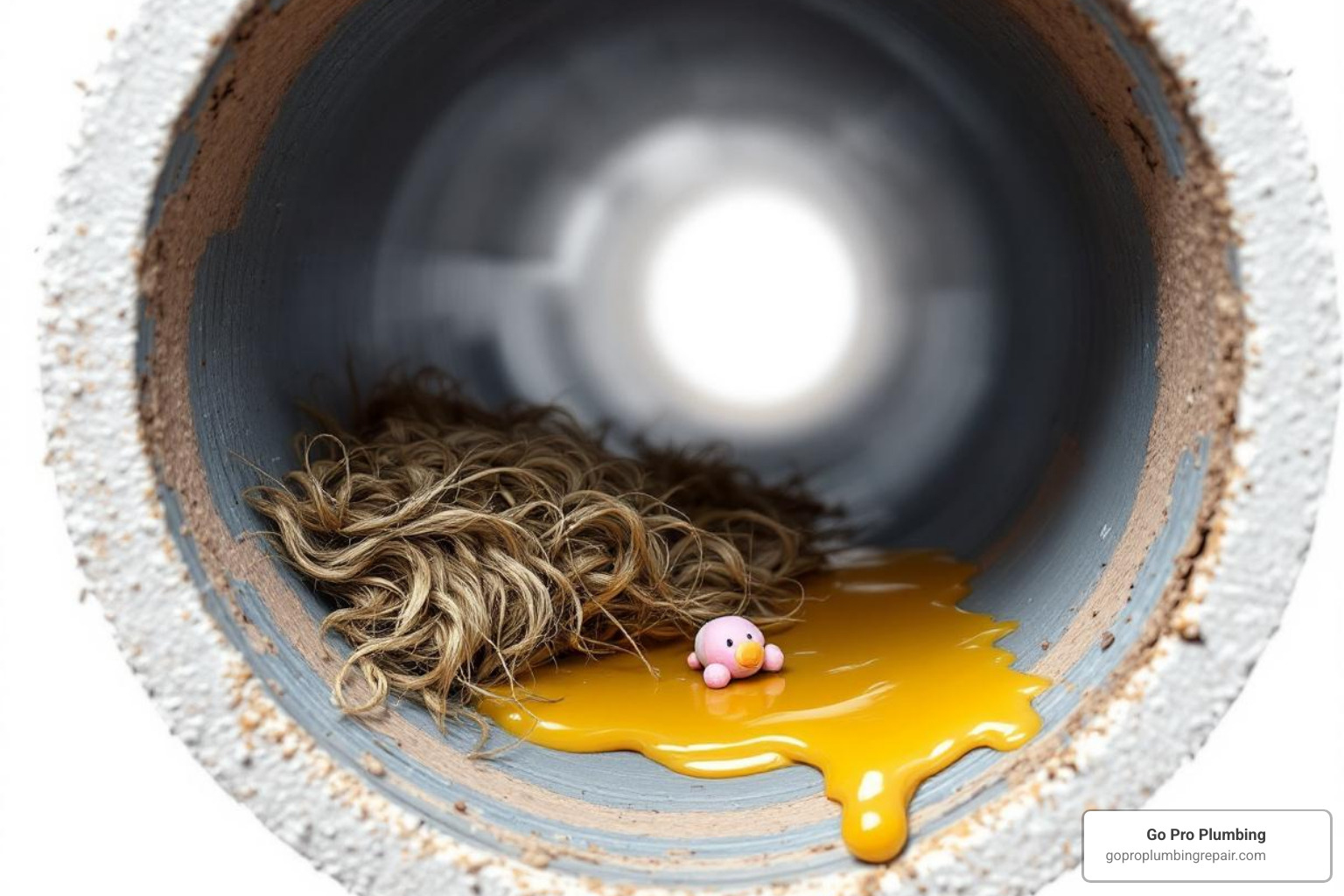
Toilets are designed for human waste and toilet paper only. Flushing other items leads to clogs.
- Excessive Toilet Paper: Using too much at once can create a dense mass that gets stuck, especially in older or low-flow toilets.
- “Flushable” Wipes: Despite the name, most “flushable” wipes don’t break down quickly. Made with synthetic fibers, they are a leading cause of stubborn clogs in homes and municipal sewer systems.
- Feminine Hygiene Products: Tampons and pads are designed to expand, creating serious blockages. Always dispose of them in the trash.
- Cotton Swabs, Dental Floss, and Q-Tips: These small items don’t dissolve and can snag in pipes, catching other debris to form a clog over time.
- Hair: While more common in showers, flushed hair can contribute to toilet clogs when combined with other materials.
- Grease and Food Scraps: Grease solidifies in pipes, sticking to the walls and trapping other debris. Never flush grease or food down the toilet.
Typical Blockages in Showers and Tubs
Shower and tub drains primarily deal with water, soap, and hair.
- Hair Accumulation: This is the number one offender. Hair gets caught in the drain and P-trap, forming a dense mat that blocks water flow.
- Soap Residue and Soap Scum: Bar soaps contain fats that combine with hard water minerals to create a sticky soap scum. This residue narrows pipes and acts as a magnet for hair.
- Conditioner Buildup: Thick conditioners can leave a residue on drain walls, providing another surface for hair to cling to.
- Hard Water Minerals: In areas with hard water, mineral deposits (calcium, magnesium) can build up inside pipes, creating rough surfaces that catch debris and narrow the pipe.
- Small Objects: Items like shampoo caps or razor covers can accidentally fall into the drain, creating an immediate blockage.
Mechanical Drain Openers: Your First Line of Defense
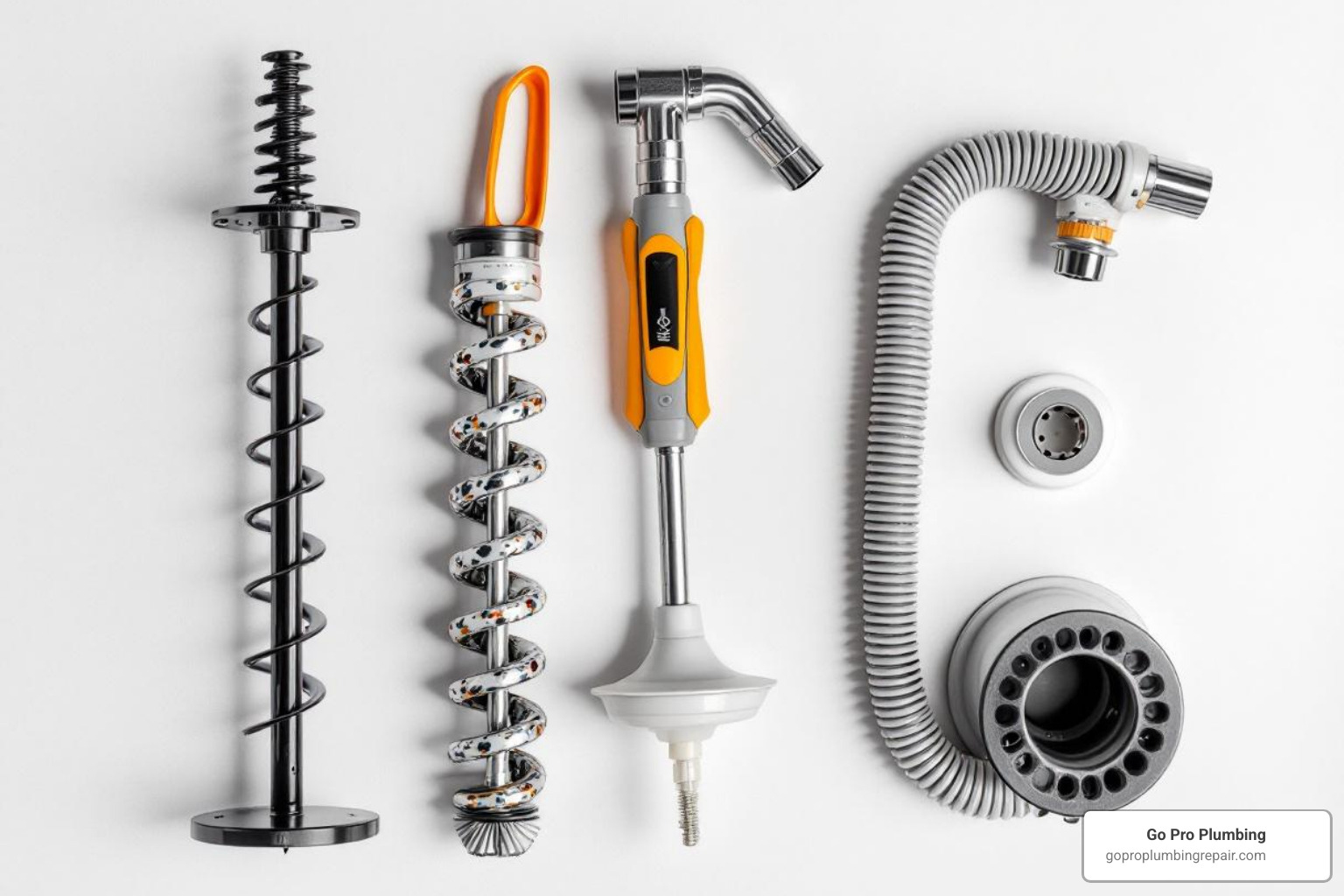
When faced with a clog, especially in a toilet, mechanical tools are your first line of defense. They are chemical-free, safe for all pipes, and reusable.
The Right Plunger for the Job
Using the correct plunger is key to success.
- Flange Plungers for Toilets: These have an extended rubber flap (flange) that creates a tight seal in a toilet’s drain opening.
- Cup Plungers for Sinks and Tubs: The traditional cup shape is best for the flat drains found in sinks and bathtubs.
- Creating a Proper Seal: The plunger head must be submerged in water to create a vacuum seal. Add water if needed. For sinks and tubs, cover the overflow drain with a wet cloth.
- Plunging Technique: Start with a gentle push to remove air, then pull back sharply. Repeat with several strong, steady thrusts. The pull action is often what dislodges the clog. If water drains, plunge a few more times to ensure the clog is fully cleared.
Using a Toilet Auger (Closet Auger)
For stubborn toilet clogs a plunger can’t fix, a toilet auger is the next best tool. It’s designed to clear blockages without damaging the porcelain.
- Protecting the Porcelain Bowl: A toilet auger has a protective rubber sleeve around its cable to prevent scratching the ceramic bowl.
- Hand-Crank Mechanism: The tool has a flexible cable with a corkscrew tip. You feed the coiled end into the toilet drain until you feel resistance.
- Breaking Up Solid Obstructions: Once you hit the clog, crank the handle. This rotates the cable, allowing the tip to either bore through the blockage (like excess toilet paper) or snag a foreign object (like a wipe).
- Retrieving Foreign Objects: If you snag a solid object, slowly pull the auger back to retrieve it. For softer clogs, push and pull the auger until water drains freely. Always flush several times afterward to ensure the clog is gone.
Mechanical methods are almost always the safest and most effective first step for a drain opener for toilet clog.
Choosing the Best Drain Opener for Toilet, Shower, and Tub Clogs
Selecting the right drain opener for toilet, shower, or tub requires understanding the different types available.
| Feature | Enzymatic Cleaners | Chemical Openers |
|---|---|---|
| Action Type | Bacteria digest organic matter | Generate heat, dissolve/liquefy clogs |
| Speed | Slow (hours to overnight, best for prevention) | Fast (minutes to hours) |
| Pipe Safety | Very Safe (all pipes, septic systems) | Risk of damage (especially older pipes, PVC with heat) |
| Environmental Impact | Eco-friendly, biodegradable, non-toxic | Harmful fumes, toxic, environmental concern |
| Best Use Case | Maintenance, slow drains, organic clogs, septic systems | Hair, grease, soap scum in sinks, showers, tubs (NOT toilets) |
Drain openers come in liquid, gel, and powder forms. Liquids are popular and pour through standing water. Gels are thicker, clinging to pipes to dissolve tough clogs. Powders are potent, activated by water to generate heat.
Enzymatic Cleaners: The Safest Drain Opener for Toilet Maintenance
Enzymatic drain cleaners are an excellent, eco-friendly option for maintenance and gentle clog removal.
- How Enzymes Work: Instead of harsh chemicals, these cleaners use beneficial bacteria and enzymes to “eat” organic matter like hair, food particles, and toilet paper. They digest the clog naturally over time.
- Pros:
- Eco-friendly and Biodegradable: Non-toxic and safe for the environment.
- Septic-Safe: They are safe for septic systems and can even help maintain the healthy bacteria in the tank.
- Pipe-Safe: They won’t damage any type of plumbing, including PVC, metal pipes, or porcelain.
- Long-term Maintenance: Excellent for preventing clogs with regular use.
- Cons:
- Slow-acting: Not for emergencies. They can take hours or overnight to work.
- Not for Solid Obstructions: Ineffective against non-organic clogs like plastic or feminine hygiene products.
For a slow-running toilet, the only recommended Drano product is Drano Max Build-Up Remover, which uses this enzymatic approach.
What to Know Before Using a Chemical Drain Opener for Toilet Issues
Chemical drain openers are fast but come with significant risks, especially for toilets. Our expert advice is to avoid using standard chemical drain openers in toilets.
- Types of Chemical Cleaners: Caustic cleaners (lye) generate intense heat to dissolve organic matter. Acidic cleaners (sulfuric acid) are extremely corrosive and dangerous.
- How They Work: Both rely on powerful chemical reactions to break down clogs like hair and grease.
- Pros:
- Fast-acting on Hair and Grease: Can work in minutes on clogs in sinks, showers, and tubs.
- Cons (and why they are NOT for toilets):
- Pipe Damage Risk: The heat from caustic cleaners can warp PVC pipes, while acids corrode metal pipes.
- Harmful Fumes: They release toxic fumes that are dangerous to inhale. Always ensure good ventilation.
- Not for Toilets: This is critical. Standard chemical clog removers are ineffective in toilets due to the trap design. The chemicals can’t reach the clog and can damage the toilet’s internal rubber and plastic parts. The only Drano product suggested for a slow-running toilet is their build-up remover, which uses microorganisms, not harsh chemicals.
- Environmental Concerns: The chemicals are harmful to waterways.
- Standing Water Hazard: If a chemical cleaner fails, you’re left with a toilet full of corrosive liquid, making it dangerous to try other methods or for a plumber to work on.
- Safety Precautions: If you use a chemical cleaner (which we advise against for toilets), wear heavy-duty gloves and eye protection, ensure ventilation, and read the label carefully. Never mix different chemical cleaners.
How to Prevent Clogs Before They Start
An ounce of prevention is worth a pound of cure, especially with plumbing. Proactive maintenance is the best way to avoid a clogged drain.
Proactive Maintenance: Your Best Defense
- Proper Flushing Habits: The golden rule is simple: only flush human waste and toilet paper. Never flush “flushable” wipes, paper towels, dental floss, cotton balls, or feminine hygiene products.
- Limiting Toilet Paper: Use toilet paper sparingly, especially if you have an older or low-flow toilet.
- Regular Cleaning: Keeping your toilet and drains clean helps prevent buildup. Ensure the jets under your toilet’s rim are clear for a strong flush.
- Drain Guards for Showers and Tubs: These inexpensive devices fit over your drain to catch hair before it causes a clog. Empty them regularly.
Natural Maintenance Solutions
For minor buildup, simple household ingredients can help.
- Baking Soda and Vinegar: This fizzy duo can loosen minor clogs. Pour one cup of baking soda down the drain, followed by two cups of white vinegar. Let it sit for at least 30 minutes, then flush with hot (not boiling) water.
- Hot Water and Dish Soap: For grease or soap scum, a few tablespoons of liquid dish soap followed by hot (not boiling) water can help lubricate and break down the clog. Let it sit for 20 minutes before flushing.
- Monthly Routine: Using one of these natural solutions monthly can help prevent the gunk accumulation that leads to major clogs.
Using Enzymatic Cleaners for Prevention
Enzymatic cleaners excel as a preventative measure.
- Monthly Application: Using an enzymatic cleaner once a month keeps drains clear by continuously digesting organic matter.
- Maintaining a Healthy Septic System: For homes with septic systems, these cleaners are valuable for maintaining the good bacteria your tank needs to function.
- Preventing Slow Drains: Regular use keeps pipes free of the sticky films that cause slow drains.
- Following Product Instructions: Always follow the instructions on your chosen cleaner, often applying it overnight when drains won’t be used.
When to Skip DIY and Call a Professional Plumber
While DIY methods can solve many clogs, some situations require a professional. Ignoring these signs can lead to more expensive problems. As your trusted local plumbers in Northern California, including Rancho Cordova and Sacramento, we’ve seen it all.
Here are key indicators that it’s time to call Go Pro Plumbing:
- Recurring Clogs: If a drain clogs frequently despite your efforts, it signals a deeper issue.
- Multiple Drains Backing Up: If your toilet backs up when you use the shower, or your sink gurgles when you flush, it strongly suggests a clog in your main sewer line. This is beyond DIY capabilities.
- Foul Sewer Gas Odors: Persistent unpleasant odors from multiple drains can indicate a problem in your sewer line or vent system.
- Water Backing Up in Shower When Toilet Flushes: This is a classic sign of a main line clog, as water takes the path of least resistance.
- DIY Methods Fail Repeatedly: If plunging and augering don’t work, don’t resort to harsh chemicals. You risk damaging your pipes.
- Suspected Main Line Clog: Multiple slow or backed-up drains usually point to a main line issue that requires professional equipment.
- No Obvious Cause for Clog: If a drain clogs for no apparent reason, it could be due to tree roots, a collapsed pipe, or other structural damage.
At Go Pro Plumbing, we offer comprehensive drain cleaning services for residential and commercial properties. Our team uses advanced equipment to diagnose and clear clogs safely:
- Hydro-jetting: This powerful method uses high-pressure water to blast away the toughest clogs, including grease, scale, and tree roots, leaving pipes completely clean.
- Drain Camera Inspection: For recurring clogs, we use a small camera to visually inspect your pipes, pinpointing the exact location and cause of the problem.
When DIY solutions fail or you suspect a serious problem, don’t hesitate to call us. Find more information on our professional drain cleaning services.
Frequently Asked Questions about Drain Openers
We often hear questions from our customers about the best ways to tackle clogs. Here are some of the most common ones regarding a drain opener for toilet and other bathroom drains.
Can a chemical drain opener damage my toilet or pipes?
Yes, absolutely. Harsh chemical drain openers can cause significant damage.
- They can etch or stain the porcelain surface of your toilet bowl.
- The corrosive action can damage older metal pipes, leading to leaks.
- The intense heat they generate can warp or even melt PVC pipes.
- They can degrade the rubber gaskets and plastic parts inside your toilet, causing leaks and failures.
For these reasons, we advise against using standard chemical drain openers in toilets.
Are “flushable” wipes really safe to flush?
No. Despite the packaging, “flushable” wipes are a leading cause of severe clogs.
Here’s why:
- Unlike toilet paper, they are often made with synthetic fibers that do not break down in water.
- They snag inside pipes, accumulating with hair and grease to form massive, stubborn blockages.
- They cause major problems for municipal sewer systems.
Our strong recommendation is to always dispose of all wipes in the trash can. This simple habit can save you from a major plumbing headache.
How often should I use an enzymatic cleaner for maintenance?
Using an enzymatic cleaner once a month is a good rule of thumb for preventative maintenance. This consistent application helps by:
- Preventing the slow buildup of organic matter like soap scum, hair, and grease.
- Maintaining clear water flow and preventing slow drains.
- Supporting a healthy bacterial balance in septic systems.
Always follow the product’s specific instructions, but a monthly routine is an excellent strategy to keep drains flowing smoothly and avoid the need for aggressive clog removal.