
The Angle Stop Saga: Unpacking the Cost of Replacing Your Toilet’s Water Valve
By Brian on November 11, 2025
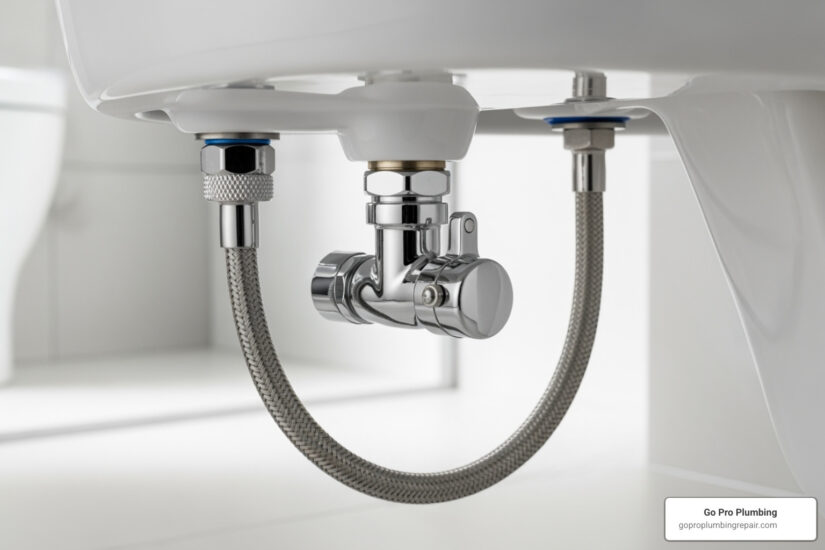
Your Quick Guide to Toilet Shut-Off Valve Replacement Costs
The cost to replace a toilet shut off valve typically ranges from $150 to $400 when hiring a professional plumber. This includes both parts and labor, though your final bill depends on several factors like valve type, accessibility, and whether you tackle it yourself or call in a pro.
Here’s the quick breakdown:
Average Costs at a Glance:
- DIY Replacement: $10 – $50 (parts only)
- Professional Replacement: $150 – $400 (parts + labor)
- Emergency Service: $300 – $700 (after-hours or weekends)
- Parts Cost: $10 – $100 (depending on valve type and quality)
- Labor Cost: $75 – $300 (1-2 hours of work)
That little valve behind your toilet—technically called an angle stop—doesn’t get much attention until it starts leaking or won’t turn off. But when it fails, it can cause serious water damage fast. Whether you’re dealing with a dripping valve, planning a bathroom upgrade, or facing a plumbing emergency, understanding these costs helps you budget properly and avoid surprises.
For homeowners in Northern California, labor rates and part availability can vary from the national average. Local water quality, building codes, and the age of your home’s plumbing all play a role in your final cost.
In this guide, we’ll break down everything that affects the cost to replace a toilet shut off valve, compare DIY versus professional replacement, and help you decide the best approach for your situation.
The Full Breakdown: What’s the Real Cost to Replace a Toilet Shut Off Valve?
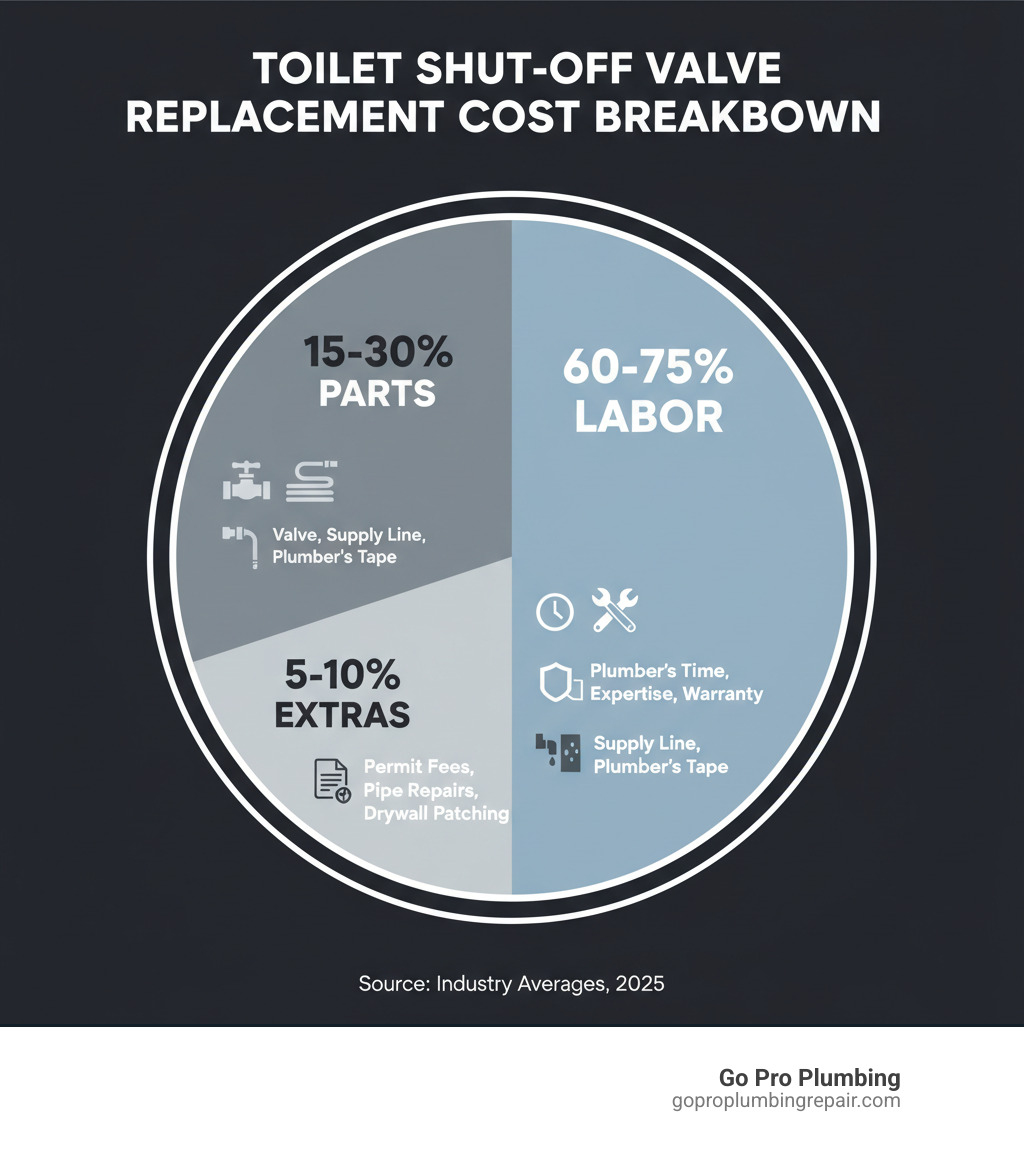
The real cost to replace a toilet shut off valve is a mix of parts and professional labor. For most homeowners, a standard replacement costs between $150 and $400. While the valve itself is inexpensive ($10 to $100), the majority of the cost covers the plumber’s expertise to ensure a leak-free installation. This investment prevents future headaches like cross-threading or water damage.
Material & Part Costs: The Valve Itself
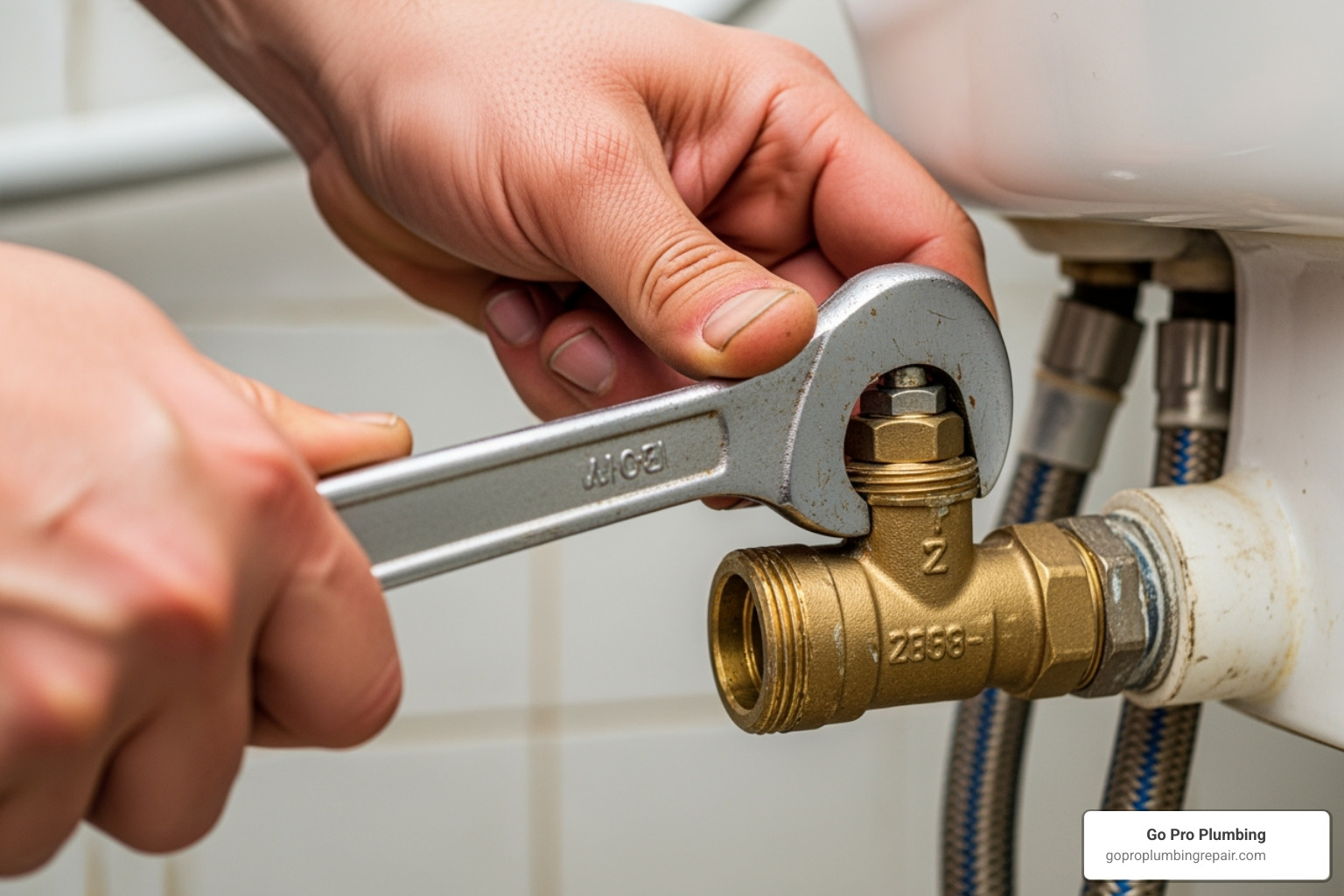
The valve itself is the smallest expense, typically ranging from $10 to $100. Choosing the right one is crucial for longevity and performance.
Quarter-turn ball valves are the modern standard. A quick 90-degree turn of the handle opens or closes the water supply. They are reliable, durable, and worth the slightly higher cost for their longevity and ease of use.
Multi-turn gate valves are an older style requiring several rotations to operate. They are prone to corrosion and mineral buildup, which can cause them to seize or fail to shut off completely. While cheaper, their shorter lifespan makes them a poor long-term choice.
For toilets, you’ll almost always need an angle stop valve, which directs water at a 90-degree angle to the toilet’s supply line. The alternative, a straight stop, is rare for toilets, and the price is generally unaffected by the type.
The material of your valve is key. Brass is the best choice for its durability and corrosion resistance, often plated with chrome for a clean look. Stainless steel is another solid option. Avoid cheap plastic valves, which can become brittle and crack over time.
If you’re curious about other toilet components and how they work together, our guide on toilet repair kits has more detailed information.
Labor Expenses: The Price of Professional Expertise
Labor is the largest part of the bill, covering the plumber’s expertise. A typical replacement takes one to two hours. In Northern California, you can expect hourly rates between $75 and $150. This fee covers not just the work, but the plumber’s training, licensing, and insurance, protecting your home.
Project duration varies. A simple swap may take under an hour, but a corroded valve or poor access can extend the job. Be aware that most plumbers have a minimum service fee to cover their time and travel, even for quick jobs.
Accessibility issues are a major factor. A valve in a tight space or behind drywall will take longer and cost more to replace.
Need service after hours, on a weekend, or a holiday? Expect emergency service fees of $100 to $300 on top of the standard rate.
If you’re dealing with a leaking valve or any other toilet leak that needs immediate attention, our team at Go Pro Plumbing is here to help. Check out our plumber for leaking toilet services for more information about how we can solve your problem quickly and professionally.
Key Factors That Influence Your Final Bill
While we’ve covered the basics, several other factors can influence the ultimate cost to replace a toilet shut off valve. Understanding these can help you anticipate expenses and make informed decisions.
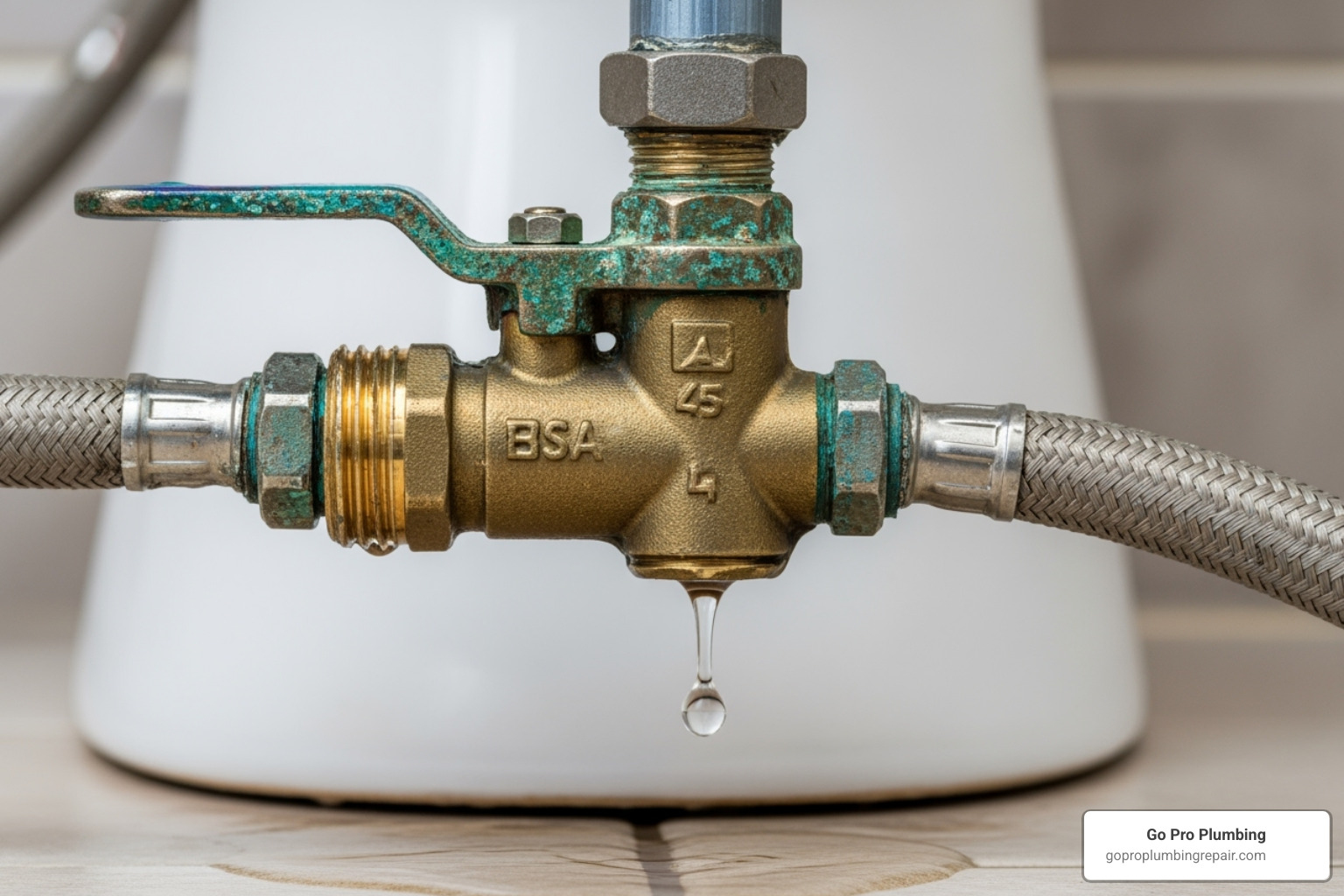
Accessibility is a huge factor. A hard-to-reach valve in a cramped bathroom or behind a wall will increase labor time and cost. If drywall must be cut for access, you’ll also have repair costs for patching and painting.
Corroded connections can fuse the valve to the pipe. Removing it is delicate work, and if the pipe breaks during removal, it will require an additional repair, adding to your bill.
Geographic location plays a big role in plumbing costs. Labor rates in Northern California are higher than the national average. What might cost $150 in a rural area could be $250 or more in Sacramento or Rancho Cordova. At Go Pro Plumbing, we provide transparent pricing that reflects our local market.
The quality of the valve you choose is an investment in peace of mind. A high-quality brass ball valve will outlast a cheaper plastic one, preventing future problems.
| Feature | Quarter-Turn Ball Valve | Multi-Turn Gate Valve |
|---|---|---|
| Cost (Part) | Moderate ($15 – $50) | Low ($10 – $30) |
| Durability | High (less internal wear) | Moderate (prone to wear, corrosion) |
| Ease of Use | High (quick 90-degree turn) | Low (multiple turns, can seize) |
| Reliability | Excellent (full shut-off, less leakage) | Fair (can leak, difficult to fully close over time) |
| Lifespan | Longer (10-20+ years) | Shorter (5-15 years) |
| Maintenance | Low | Higher (exercising regularly to prevent seizing) |
The condition of your existing pipes also affects the job. Modern PEX pipes are flexible and simplify replacement. Older copper pipes are rigid and may require soldering or special fittings. If the pipe is damaged or corroded, a section may need to be replaced, adding to the scope of work.
Understanding the Total Cost to Replace a Toilet Shut Off Valve
Beyond the valve and labor, a few other costs can appear on your final bill.
- Permits: Rarely needed for a simple valve swap, but major pipe work may require a permit ($50 – $300).
- Drywall Repair: If access requires cutting drywall, budget $100 – $300 for repairs.
- Supply Line Replacement: It’s wise to replace the flexible supply line ($5 – $15) at the same time to prevent future leaks.
- Water Damage: Existing leaks may have caused damage to flooring or subfloors. Remediation costs can range from hundreds to thousands of dollars. For more on toilet repair costs, see our guide on the Cost to Repair Toilet.
- Bundling Repairs: Save on trip fees by having the plumber address other minor issues during the same visit.
When to Replace vs. Repair: Signs Your Valve is Failing
Your valve will often give you warning signs before it fails completely.
- Visible leaks or drips: The most obvious sign. Even a small drip wastes water and can cause significant damage.
- Corrosion or rust: Green or reddish-brown buildup indicates the valve’s metal is breaking down and needs replacement.
- Difficulty turning the handle: A handle that is stiff or won’t move means internal corrosion. Forcing it can cause it to break off, leading to a major leak.
- Valve won’t fully close: If water still runs to the toilet after you’ve closed the valve, its internal seal has failed and it can no longer do its job.
- Age of the valve: Most valves last 10 to 20 years. If yours is older, consider proactive replacement to prevent a future emergency. A faulty valve can also contribute to a constantly running toilet, a problem we can diagnose and fix. Learn more about Running Toilet Repair.
DIY vs. Hiring a Pro: A Cost and Risk Analysis
Wondering if you can save on the cost to replace a toilet shut off valve by doing it yourself? A DIY approach saves on labor but carries significant risks. Here’s a look at the pros and cons.
The DIY Approach: What You’ll Spend and What You’ll Need
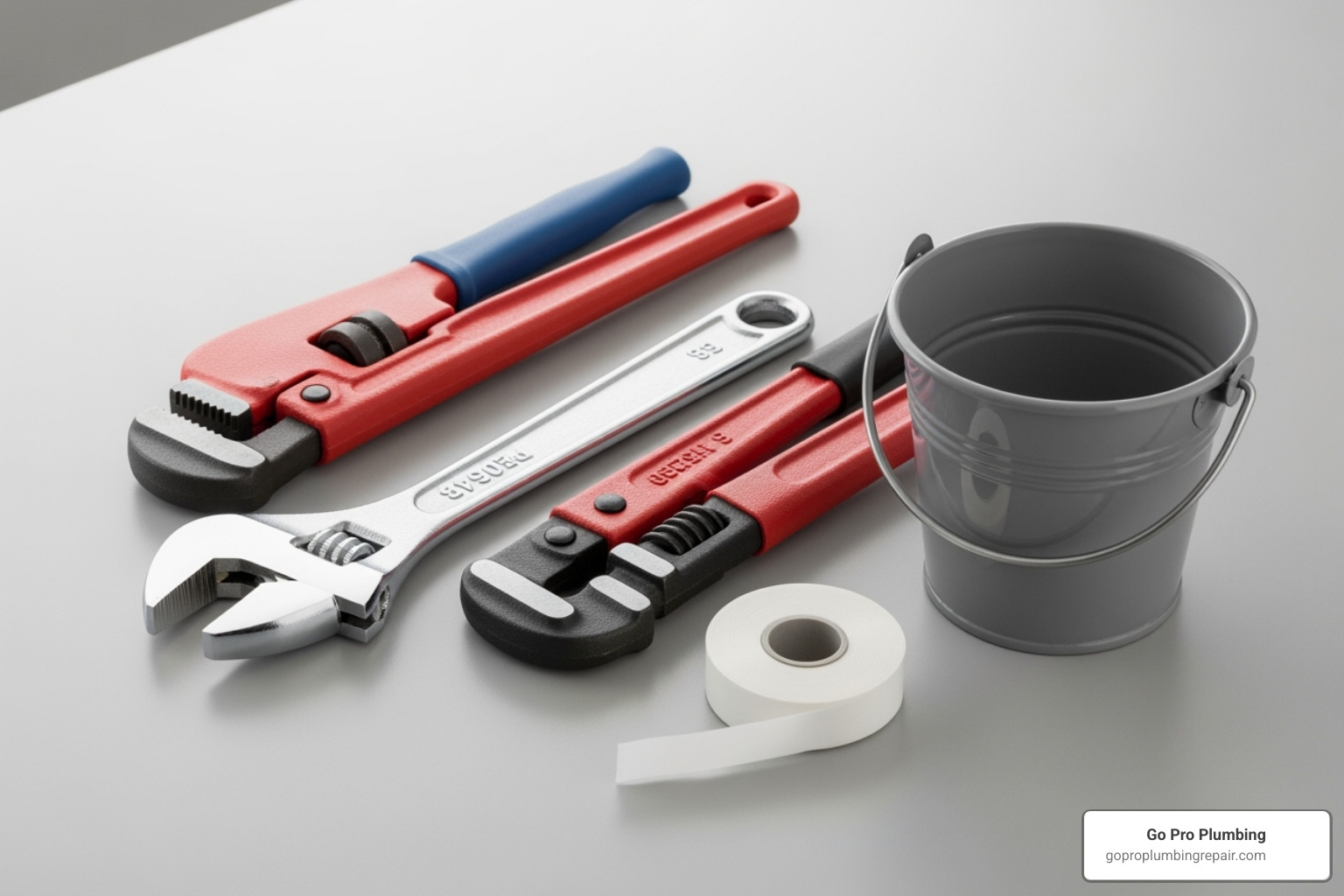
For those comfortable with plumbing, this can be a weekend project. The DIY cost to replace a toilet shut off valve is just $10 to $50 for parts. However, you’ll need the right tools:
- Adjustable wrench or basin wrench
- Pliers
- Plumber’s tape (Teflon tape)
- Bucket and towels
- Wire brush or sandpaper
The primary risk of DIY plumbing is water damage from an improper seal. A small mistake can lead to thousands in repairs. Other common pitfalls include:
- Cross-threading: Misaligning threads, which damages the pipe and valve.
- Overtightening/Under-tightening: Both can cause leaks.
- Unexpected Issues: A seized valve or corroded pipe can turn a simple job into an emergency.
When to Call a Professional Plumber
Hiring a pro is the safest choice in many situations, and the peace of mind is often worth the cost.
- Complex or Old Plumbing: If your home has unusual pipe configurations or soldered copper pipes, a pro has the right tools and expertise. Working with a torch is not a DIY task.
- Stuck or Broken Valves: A pro can remove a seized valve without breaking the attached pipe, a common DIY disaster.
- Lack of Tools or Experience: If you’re not confident, call a professional. The repair cost for a botched job is far higher than the initial hiring cost.
- Emergencies: For any uncontrolled leak, call a plumber immediately. Our team at Go Pro Plumbing offers same-day service for plumbing emergencies.
Hiring a professional gives you more than just a properly installed valve. You get a guarantee of quality work, protection against potential water damage, and the peace of mind that comes from knowing it’s done right. For reliable service and expertise, you can always Find a reliable plumber for your toilet repair through us. If you’re in Sacramento, Rancho Cordova, or the surrounding Northern California areas, Contact Go Pro Plumbing for a personalized estimate today.
Frequently Asked Questions about Toilet Valve Replacement
We hear a lot of questions from homeowners in Northern California about these small but mighty valves. Here are the answers to some of the most common ones.
How long does a toilet shut-off valve last?
A quality toilet shut-off valve should last 10 to 20 years. However, its lifespan can be shortened by factors like hard water, which causes mineral buildup, and lack of use, which can cause it to seize. Higher quality materials like brass last longer than plastic. To maximize its life, turn the valve on and off once a year to keep it from sticking.
Can I just replace the handle on my shut-off valve?
Usually, this is not a good idea. A broken or stiff handle is a symptom of a larger problem, like internal corrosion or a seized valve stem. Replacing only the handle won’t fix the underlying issue, and the valve will likely still leak or fail to turn. A full valve replacement is the only reliable solution.
Do I need to shut off the main water supply to the house?
No, the purpose of the toilet shut-off valve is to stop water flow to that specific fixture, so you shouldn’t need to turn off water to the whole house. However, you must shut off the main water supply if the toilet’s shut-off valve itself is broken, leaking, or won’t turn off completely. Every homeowner should know the location of their main water shut-off for emergencies. For more detailed information about your toilet’s water line and potential issues, check out our Toilet Water Line Repair page.
Secure Your Peace of Mind and Prevent Water Damage
Now that you understand the cost to replace a toilet shut off valve—typically $150 to $400 for professional installation or just $10 to $50 for a DIY attempt—you can see this small investment has enormous value. A functioning shut-off valve is your first line of defense against a toilet-related flood, giving you instant control and preventing a minor leak from becoming a major disaster.
The peace of mind from a reliable valve is invaluable, especially when compared to the thousands of dollars water damage repairs can cost. Don’t ignore the warning signs. A dripping or stiff valve is a small problem that can become a costly emergency at the worst possible moment.
At Go Pro Plumbing, we help Northern California homeowners prevent these costly headaches. We offer same-day service in Sacramento, Rancho Cordova, and surrounding areas with transparent, upfront pricing. Our licensed technicians will not only replace your valve but also inspect your toilet’s plumbing, offering honest advice to prevent future issues. We ensure the job is done right, giving you confidence and protecting your home.
If you’re noticing any warning signs—leaks, corrosion, difficulty turning the handle, or a valve that won’t fully close—don’t wait for a small issue to become a big disaster. To learn more about how we can help with all your toilet needs, explore professional toilet services on our website. Your bathroom’s plumbing deserves the same care and attention you give the rest of your home, and we’re here to make that easy and affordable.