
The Endless Loop: How Often Should Your Hot Water Recirculating Pump Be Running?
By Brian on November 14, 2025
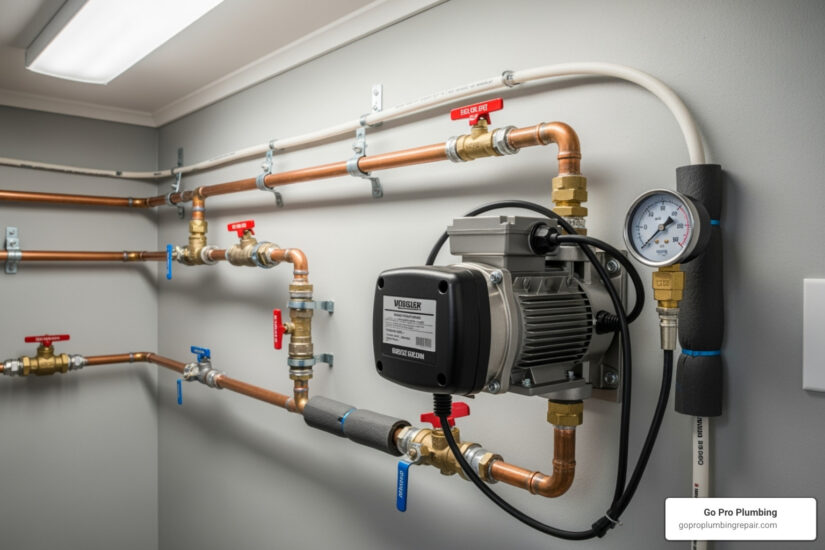
Understanding Hot Water Recirculation Pump Runtime
Does a hot water recirculating pump run all the time? No, it shouldn’t. While older systems may run continuously, modern hot water recirculating pumps use smart controls, timers, or on-demand activation to run only when needed—typically less than 30 minutes to 6 hours per day depending on the system type.
Quick Answer by System Type:
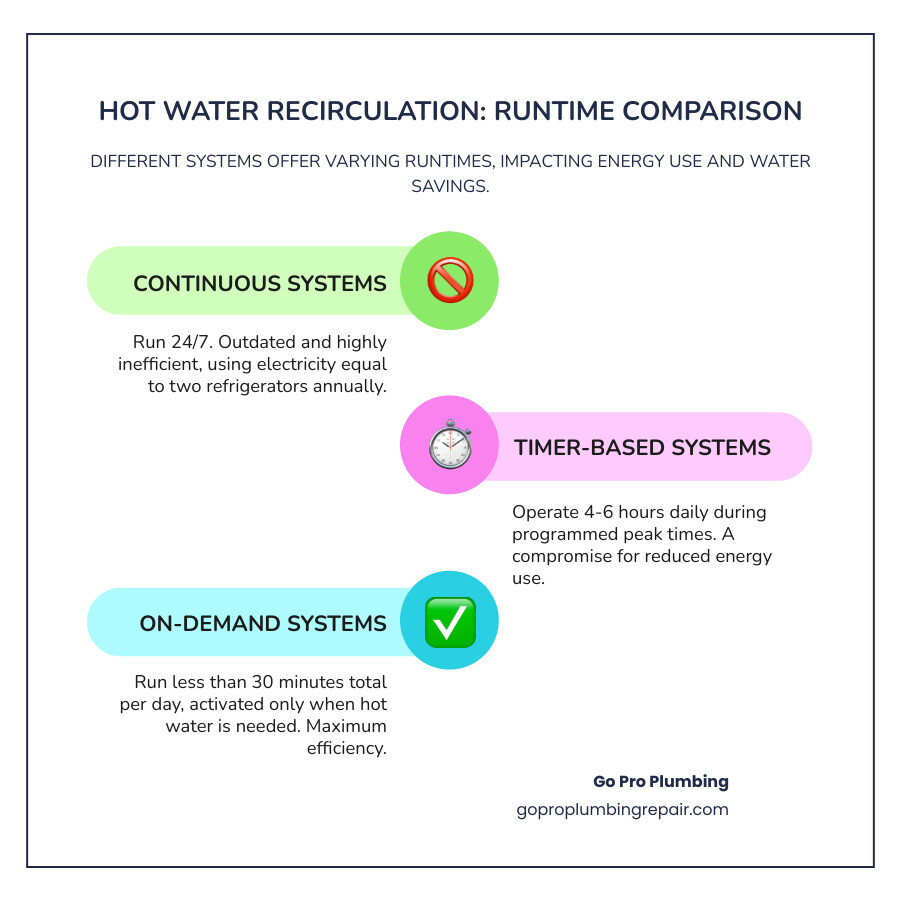
- Continuous Systems: Run 24/7 (outdated, inefficient)
- Timer-Based Systems: Run 4-6 hours daily during peak times
- On-Demand Systems: Run less than 30 minutes total per day
- Smart Systems: Adapt to your usage patterns automatically
Have you ever stood by the sink, waiting for hot water while watching gallons of perfectly good water swirl down the drain? It’s frustrating. Hot water recirculating pumps solve this problem by keeping hot water ready in your pipes. But the answer to whether they run constantly depends entirely on which type of system you have.
The most common circulator pumps used to run all day, every day—using as much electricity as two typical refrigerators annually. That’s not just wasteful; it’s expensive. Constantly running hot water can also cause copper pipes to erode, leading to pinhole leaks that require replacement.
The good news? Modern recirculation technology has evolved. Today’s systems use intelligent controls that only activate when you actually need hot water. This means you get instant hot water at the tap without the endless energy bill or premature pump failure.
Understanding how your specific system operates—and how often it should run—can save you thousands of gallons of water and hundreds of dollars in energy costs every year. Let’s break down exactly what’s happening in your plumbing system and how to optimize it for maximum efficiency.
The “Always-On” Myth: Understanding Recirculation System Types
Not all hot water recirculating pumps are created equal. The question of does a hot water recirculating pump run all the time really depends on which type of system you have installed in your home. Some older systems do run continuously, but modern technology has given us much smarter options.
Think of it like this: Would you leave your car engine running 24/7 just to avoid waiting for it to warm up? Probably not. The same logic applies to your hot water system. The key is understanding the different approaches to pump operation and how they affect your energy bills, water conservation, and daily convenience.
All recirculating systems share the same basic goal: creating a circulation loop that keeps hot water ready at your faucets. A pump moves hot water from your water heater through your supply lines and back again, so you’re not standing there watching water (and money) go down the drain while waiting for it to heat up. If you’re curious about the technical details, check out how a hot water recirculating system works.
The big difference between systems comes down to control. Some use a dedicated return line—a separate pipe that brings cooled water back to the heater. Others, called retrofit systems, cleverly use your existing cold water line as the return path, making installation much simpler and less invasive. Our team at Go Pro Plumbing specializes in helping Northern California homeowners steer hot water recirculating system design to find the perfect fit for their homes.
Let’s break down the three main types and see how each one handles pump operation.
The Traditional Continuous Pump
The original hot water recirculating pumps took a simple approach: just keep running. All day. All night. Every single day. These continuous circulation systems guarantee instant hot water because, well, hot water is always circulating through your pipes.
But here’s the catch—this convenience comes at a steep price. A pump running in constant operation uses about as much electricity as two refrigerators. That’s a hefty addition to your monthly utility bill. And because hot water is constantly flowing through your pipes, you’re experiencing significant heat loss even with insulation. Your water heater has to kick on repeatedly to maintain temperature, leading to increased water heater cycling and shortened equipment life.
The problems don’t stop there. That 24/7 runtime puts serious stress on your plumbing. Constantly running hot water accelerates pipe wear in copper lines, which can eventually lead to pinhole leaks. Suddenly, you’re looking at pipe replacement on top of those inflated energy bills.
These systems represent energy waste at its finest. They’re the reason people ask does a hot water recirculating pump run all the time with a note of concern in their voice. The short answer for these older systems: yes, they do run constantly, and no, that’s not a good thing.
The Timer-Based Compromise
When energy-conscious homeowners started questioning continuous operation, timer-based systems stepped in as a middle ground. These systems use programmable timers to run the pump only during peak usage hours—typically mornings when everyone’s showering and evenings when you’re cooking dinner and washing up.
Instead of running around the clock, these pumps might operate for 12 to 16 hours daily through scheduled operation. That’s still a lot, but it represents reduced energy use compared to continuous systems. You’re essentially telling the pump, “Hey, we need hot water from 6 AM to 9 AM and 6 PM to 10 PM, so run during those windows.”
The problem? Life doesn’t always follow a schedule. If someone works from home and needs a shower at 2 PM, they’re out of luck—they’ll wait for hot water just like they would without any recirculating system. This inflexibility means you’re still experiencing wasted energy during off-peak demand when the pump runs but nobody’s using hot water within that programmed timeframe.
Timer systems are definitely better than continuous operation, but they’re still playing a guessing game with your actual hot water needs.
The Modern On-Demand Solution
Here’s where things get exciting. Modern on-demand systems use smart controls to activate the pump only when you actually need hot water. No guessing, no schedules, no wasted energy.
These intelligent systems use various triggers: motion sensors that detect when you enter the bathroom, push-buttons installed near your fixtures, or even learning algorithms that study your household patterns and anticipate when hot water will be needed. Some systems, like Rinnai Smart Circ technology, take this even further with sophisticated programming that adapts to your lifestyle.
The results are impressive. On-demand systems typically achieve a minimal runtime of less than 30 minutes per day—sometimes as little as five minutes total. The pump activates, circulates hot water until it reaches the fixtures, then shuts off. This delivers maximum efficiency while still giving you instant hot water whenever you need it.
Think about that for a second: going from 24 hours of operation to less than 30 minutes daily while maintaining the same convenience. That’s the power of smart technology and thoughtful engineering. Your energy bills drop dramatically, your pump lasts longer, and you’re conserving water without sacrificing comfort.
This is the future of hot water recirculation, and it definitively answers our main question: no, a properly designed hot water recirculating pump should not run all the time.
Does a Hot Water Recirculating Pump Run All the Time? A Look at Control Systems
The heart of the matter—does a hot water recirculating pump run all the time—really comes down to what kind of control system is managing it. Think of the control system as the brain of your recirculation setup. It decides when the pump kicks on, how long it runs, and when it takes a break.
Modern control systems range from simple aquastats (temperature-based switches) to sophisticated smart technology with learning algorithms. Some systems use basic thermostats to maintain water temperature in the loop, while others employ variable speed pumps that adjust their intensity based on demand. The difference between these controls can mean the difference between a system that guzzles energy and one that sips it responsibly.
It’s worth noting that regulations are catching up with technology. California’s energy standards for appliances, including SB 49, have pushed the industry toward more efficient systems. These standards recognize that constant pump operation is simply wasteful.
Here’s how the three main system types stack up:
| System Type | Typical Runtime | Energy Use | Convenience | Water Savings |
|---|---|---|---|---|
| Continuous | 24/7 (8,760 hours/year) | Very High | Instant hot water anytime | Excellent (no waiting) |
| Timer-Based | 4-6 hours/day (1,460-2,190 hours/year) | Moderate | Instant during scheduled times only | Good (during programmed hours) |
| On-Demand | <30 minutes/day (<183 hours/year) | Very Low | Instant after brief activation | Excellent (minimal waste) |
The Problem with a Pump That Runs All the Time
Let’s be honest: a pump that never stops is like leaving your car running in the driveway all day, every day. It’s just not sustainable. When a hot water recirculating pump runs continuously, several problems start piling up.
First, there’s the excessive electricity use. We’re talking about as much power as running two refrigerators year-round. That’s not just an environmental concern—it’s money flowing out of your wallet every month. The constant circulation also causes significant standby heat loss. Even with insulated pipes, hot water loses heat as it travels through the system, forcing your water heater to fire up more frequently. This increased water heating cost can add hundreds of dollars to your annual energy bills.
Then there’s the wear and tear on the equipment itself. Most residential pumps are designed as intermittent duty pumps, not continuous duty models. Running them 24/7 leads to premature pump failure. You can learn more about the difference between intermittent vs continuous duty pumps to understand why this matters.
Constant hot water flow also accelerates pipe degradation, particularly in copper piping systems. Over time, this can lead to pinhole leaks and costly repairs. And if you’ve invested in a modern heat pump water heater, constant cycling can significantly reduce its efficiency benefits. These systems work best with less frequent, longer heating cycles rather than constant short bursts.
So, How Often Should It Run If Not All the Time?
The optimal runtime for your recirculating pump depends entirely on which type of system you have installed. There’s no one-size-fits-all answer, but there are smart guidelines for each approach.
For timer-based systems, the sweet spot is typically 4-6 hours daily, strategically scheduled during peak routine times. Most households see the highest hot water demand during morning routines (think showers and coffee) and evening activities (dinner prep and baths). Programming your pump to run from 6-9 AM and 6-9 PM often covers most needs while keeping the pump idle during the workday and overnight hours.
On-demand systems are the efficiency champions here. They should activate only when triggered—whether by a button press, motion sensor, or smart home command. This means the pump might run for just a few minutes at a time, totaling less than 30 minutes per day. The pump kicks on, circulates hot water until it reaches the fixtures, then shuts off. No wasted energy, no unnecessary wear.
Smart systems with learning algorithms take this a step further. They observe your household’s patterns over time and begin anticipating your needs. If you consistently take a shower at 7 AM on weekdays, the system learns to have hot water ready just before that time. This balancing act between convenience and efficiency is what modern recirculation is all about.
The key is finding that balance between having hot water when you need it and not wasting energy when you don’t. If you’re wondering whether your current system is running too much or not enough, our team at Go Pro Plumbing can assess your setup and help optimize it. You might be surprised to learn just how efficient hot water recirculation systems can be when properly configured.