
Gas Line Installation Services: What You Need to Know Before You Dig
By Brian on February 18, 2026

Why Gas Line Installation Service Matters for Your Home
Gas line installation service connects your home’s appliances to a natural gas supply, providing an efficient and cost-effective energy source for heating, cooking, and more.
Quick Overview: What You Need to Know
- What it is: Professional installation of gas piping from your meter to appliances like stoves, water heaters, furnaces, and BBQs
- Why hire a pro: DIY installation can lead to gas leaks, fires, explosions, or carbon monoxide poisoning
- Average cost: $600 (ranging from $250 to $1,000+ depending on complexity)
- Typical duration: Most installations complete in a few hours
- Required: Licensed, certified, and insured technician with knowledge of local codes
- Key step: Always call 811 before digging to locate underground utilities
Working with natural gas isn’t like fixing a leaky faucet. The risks are serious. Gas leaks can cause fires, explosions, and carbon monoxide poisoning. That’s why gas line work requires licensed professionals who know local codes and safety standards.
Natural gas offers real benefits for homeowners. It’s more efficient than electric alternatives, provides consistent heat, and can increase your home’s value. From indoor appliances like furnaces and stoves to outdoor features like fire pits and pool heaters, natural gas powers a wide range of equipment.
But here’s the thing: improper installation can turn these benefits into hazards. Thousands of satisfied customers have trusted certified technicians for safe installations. To ensure public safety, technicians are regularly audited and must stay current with the latest procedures to maintain their certifications.
This guide walks you through everything you need to know before scheduling your gas line installation. We’ll cover why professional installation is non-negotiable, what the process looks like, how to find the right installer, and what to expect on installation day.
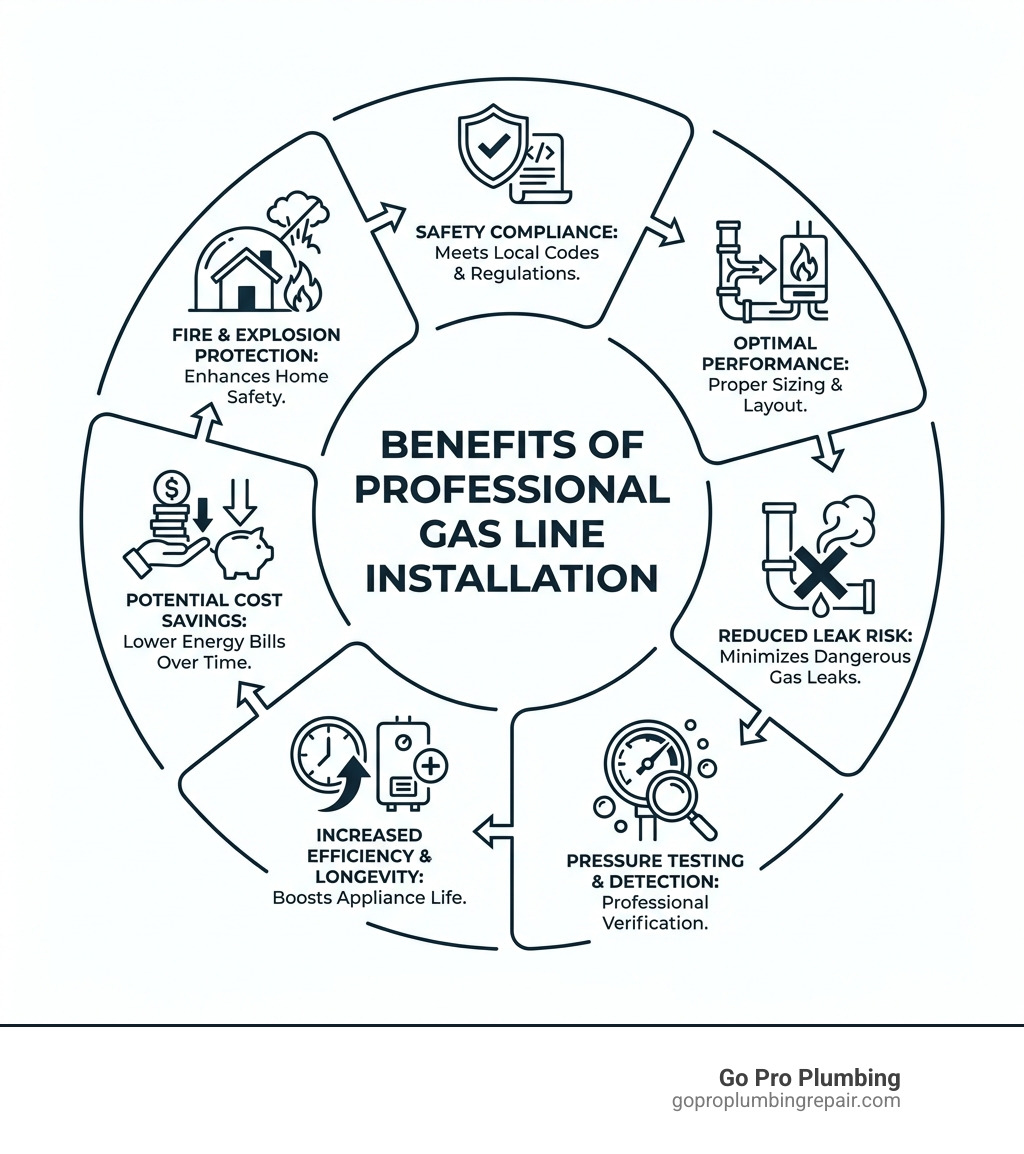
Gas line installation service terms simplified:
Why Professional Installation is Non-Negotiable: Safety, Risks, and Regulations
When it comes to something as vital and potentially hazardous as natural gas, “DIY” should never be in your vocabulary. While we all love to save a buck, a botched gas line installation service can lead to devastating consequences that far outweigh any initial savings. The safety of your home and family isn’t just important; it’s paramount.
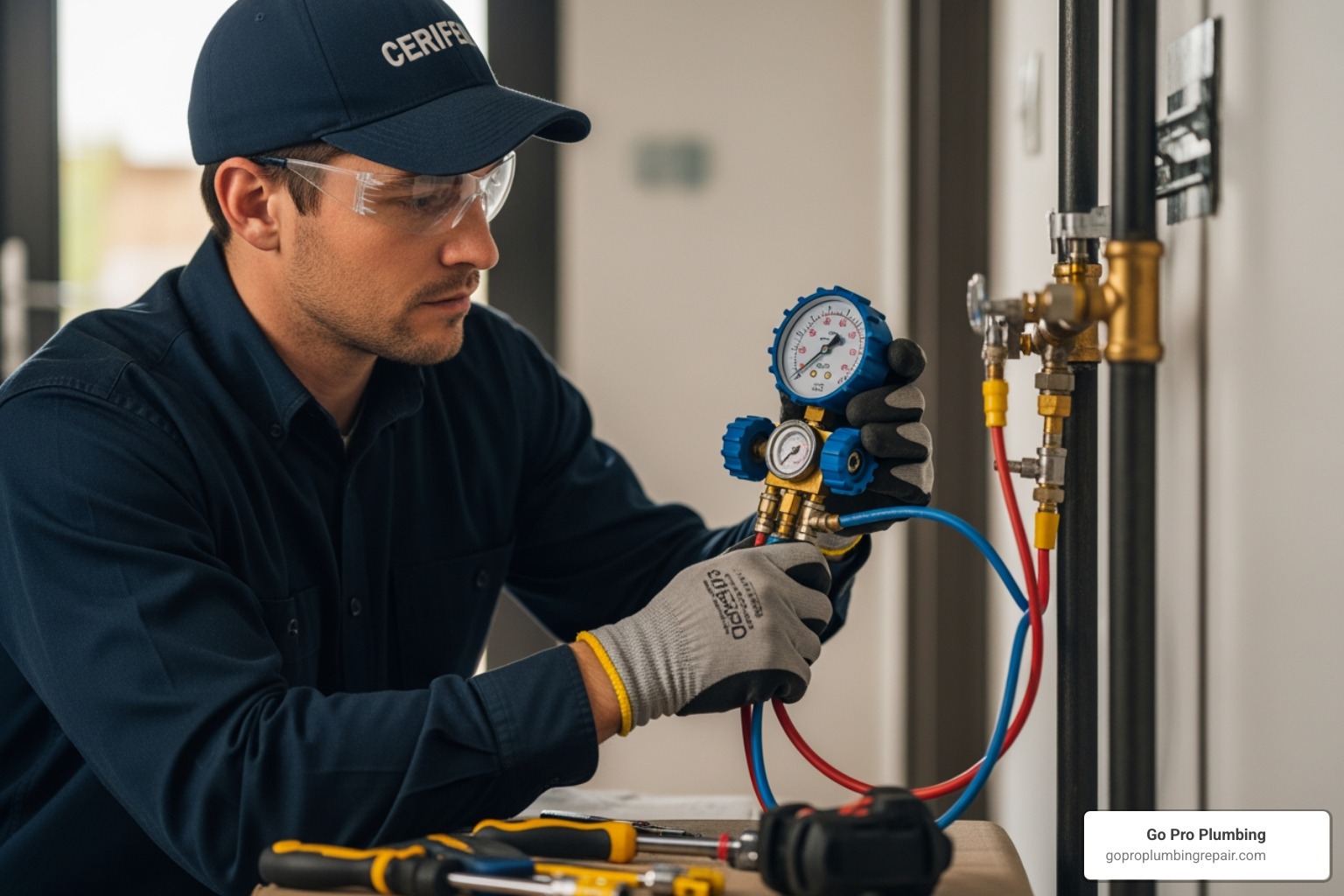
The Grave Risks of DIY Gas Line Installation
Working with natural gas is inherently dangerous if not handled by a trained professional. The potential risks of attempting a do-it-yourself gas line installation are severe and include:
- Gas Leaks: This is perhaps the most common and insidious danger. Improperly sealed connections or damaged lines can lead to gas slowly seeping into your home. Natural gas is odorless, so utility companies add a distinct “rotten egg” smell to it to help detect leaks. Even a small leak can accumulate.
- Fire Hazards: Once gas leaks, it becomes highly flammable. A spark from a light switch, an appliance, or even static electricity can ignite accumulated gas, leading to a dangerous fire.
- Explosions: In enclosed spaces, a significant gas leak can create an explosive atmosphere. When ignited, this can cause a catastrophic explosion, destroying property and causing severe injury or death.
- Carbon Monoxide Poisoning: While gas leaks themselves are dangerous, improperly vented or installed gas appliances can also produce carbon monoxide (CO). This invisible, odorless, and tasteless gas is a silent killer, leading to flu-like symptoms, disorientation, and ultimately, death. Professional installation ensures proper ventilation and combustion.
As the statistics clearly show, “Improper gas line installation can result in gas leaks, fire hazards, or explosions,” and “Gas leaks can cause fire, explosion, or carbon monoxide poisoning.” This isn’t a task for the untrained hand.
The Undeniable Benefits of Hiring a Professional
Choosing a professional for your gas line installation service isn’t just a suggestion; it’s a necessity. Here’s why:
- Licensed and Certified Technicians: Professionals, like our team at Go Pro Plumbing, possess the specialized training and certifications required to handle natural gas safely. They understand the intricacies of gas systems, from pipe sizing to pressure testing. As the research states, “Gas line installation should only be performed by a licensed professional.”
- Insured Workmanship: A reputable company will be fully insured, protecting you from liability in the unlikely event of an accident or damage during the installation process. This provides invaluable peace of mind.
- Knowledge of Local Codes: Building codes and regulations for gas line installations vary by location. Our Northern California experts are well-versed in all local codes for areas like Sacramento and Rancho Cordova, ensuring your installation is compliant and passes inspection. This prevents costly rework and potential fines.
- Peace of Mind: Knowing that your gas lines are installed correctly, safely, and up to code by experienced professionals allows you to enjoy your gas appliances without constant worry.
Understanding ‘Red Tags’
Have you ever heard of a “red tag” in relation to gas systems? It’s a critical safety warning you absolutely need to understand. A red tag is a product warning tag placed on a gas appliance or system by a utility company or a certified technician, indicating that it needs repair or replacement due to a safety hazard.
There are generally two classifications of red tags:
- Type A Tag (Immediate Hazard): This signifies a severe problem and an immediate danger to your home. If your system receives a Type A red tag, the technician is required by law to turn off the natural gas supply right away. This is because the hazard poses an immediate threat of fire, explosion, or carbon monoxide poisoning. You cannot use the appliance or system until the issue is professionally repaired and inspected.
- Type B Tag (Non-Immediate Hazard): This indicates that the appliance or piping needs to be repaired or replaced, but there isn’t an immediate danger. In this case, the natural gas is not turned off, but the utility company is contacted, and you’ll have a set period (usually a few weeks) to address the problem. While not immediately life-threatening, ignoring a Type B tag can lead to a Type A situation or other dangerous outcomes.
If you receive a red tag, the most important thing to do is to contact a licensed professional, like us, immediately. We can assess the situation, perform the necessary repairs, and ensure your system is safe and compliant.
Safety Precautions During and After Installation
Safety doesn’t end with a professional gas line installation service; it’s a continuous process. Here’s what to expect and what you should always keep in mind:
- Post-Installation Leak Testing: A crucial step after any gas line work is thorough leak testing. Our technicians use specialized equipment, like pressure gauges and gas detectors, to pressurize the gas supply line with nitrogen or compressed air. A drop in pressure on the dial gauge indicates a leak, which we then locate and repair. This ensures every connection is secure.
- Proper Ventilation: For indoor gas appliances, proper ventilation is key to preventing carbon monoxide buildup. Professionals ensure that exhaust vents are clear and correctly installed.
- Emergency Shut-Off Valve Location: You should always know where your main gas shut-off valve is located outside your home (at the meter) and individual shut-off valves for each appliance. In an emergency, knowing how to turn off the gas can be a lifesaver.
- What to do if you suspect a gas leak: If you ever smell that “rotten egg” odor of natural gas, or hear a hissing sound near a gas line, act fast!
- Turn off the gas supply at the meter if it’s safe to do so.
- Open all windows and doors to ventilate the area.
- Leave your home immediately.
- Once outside and a safe distance away, call your local gas utility company or 911.
- Do NOT use any electrical devices, light switches, or open flames while inside or near the suspected leak area, as this could ignite the gas. Do not try to find the source yourself.
The Installation Process: A Step-by-Step Guide
Understanding the typical steps involved in a gas line installation service can help you feel more prepared and confident in the process. While every project has its unique quirks, the core stages remain consistent.
Site Analysis and Planning
Every successful gas line project begins with meticulous planning. Our technicians will:
- Determine Appliance Location: We’ll work with you to decide the best and safest placement for your new gas appliance(s), whether it’s a new outdoor kitchen in Rancho Cordova or a furnace replacement in Sacramento. This initial analysis helps us understand the scope of work.
- Sizing the Gas Line Correctly: Gas lines aren’t one-size-fits-all. The size (diameter) of the gas line needs to be precisely calculated based on the total BTU (British Thermal Unit) load of all connected appliances and the length of the pipe run. An undersized line won’t deliver enough gas, leading to inefficient appliance operation, while an oversized line is a waste of material and money.
- Providing a Quote: Based on the site analysis, appliance requirements, and pipe sizing, we’ll provide a detailed, upfront quote. For complex new installations, an in-person visit is often required to give an accurate estimate, as “new gas line installations involve several variables that affect quoting.”
Permits and Utility Coordination
This is where professional expertise truly shines. Navigating permits and coordinating with utility companies can be a headache for homeowners, but it’s a routine part of our gas line installation service:
- The Importance of calling 811 before you dig: Before any excavation begins for outdoor gas lines, it is absolutely crucial to call 811. This free service notifies utility companies to mark the location of underground utility lines (gas, water, sewer, electric, communication) on your property. Digging without knowing where these lines are can lead to dangerous accidents, service interruptions, and costly repairs. Always “Call 811 and wait for locates before digging to help protect you, your crew and your neighborhood from accidents.”
- Role of the Utility Company: Your local natural gas utility company is responsible for the main gas line that runs to your property and the installation of your gas meter. They ensure the safe and reliable supply of natural gas to that point.
- Permit Acquisition: For any new gas line installation service or significant modifications, permits are usually required by your local municipality in Northern California. Our team handles the permit application process to ensure your project complies with all local building codes and regulations, preventing delays or issues down the line.
Common Mistakes to Avoid
Even with professional help, being aware of common pitfalls can ensure a smoother gas line installation service:
- Incorrect Line Placement: While it might seem convenient to run a new BBQ gas line from an existing fireplace line, this is often a mistake. Fireplace lines often don’t have the capacity to handle the additional demand of a BBQ, leading to poor performance for both appliances. It’s usually best to run dedicated lines from the furnace room or the main gas meter.
- Under-budgeting the Project: New gas line installations involve many variables. Trying to cut corners or not planning for potential complexities can lead to budget overruns. Be prepared for the full scope of work, including trenching for outdoor lines, pipe materials, and labor.
- Not Planning for Future Appliances: Even if you’re only installing one gas appliance now, consider if you might want to add more in the future (e.g., an outdoor kitchen, a gas dryer). Planning for these additions during the initial installation can save you money and hassle down the road by sizing the main line appropriately.
Preparing for your gas line installation service appointment
Once your gas line installation service is scheduled, a little preparation on your part can make the day run much more smoothly:
- Clear Access Path for Technicians: Ensure that the areas where work will be done, both inside and outside your home, are clear of obstructions. This means moving furniture, personal items, and clearing any landscaping in the path of the new gas line.
- Securing Pets and Children: For their safety and to allow our technicians to work without distraction, please ensure pets are secured in a separate area and children are kept away from the work zone.
- Finalizing Appliance Locations: Double-check and confirm the exact placement of your new gas appliances. Any last-minute changes on installation day can cause delays.
What to expect on installation day
On the day of your gas line installation service, here’s a general idea of what our team will do:
- Typical Duration: Most residential gas line installations are completed within a few hours. However, more complex projects, like extensive outdoor kitchen setups or long pipe runs, might take a full day.
- Trenching for Outdoor Lines: If you’re installing an outdoor gas line for a BBQ or fire pit, our team will carefully dig a trench to lay the underground piping.
- Connecting Pipes: We’ll install the appropriately sized gas piping from your meter to your new appliance(s), ensuring all connections are secure and up to code.
- Pressure Testing the System: As mentioned, this is a critical safety step. We’ll perform a thorough pressure test to detect any leaks before the system is put into service.
- Property Restoration: After the work is done, especially for outdoor installations, we will restore your property to its original condition, filling trenches and cleaning up the work area. “Afterwards, we will restore your property to its original condition.”
Finding and Budgeting for Your Gas Line Installation Service
Investing in a gas line installation service is a significant decision for your Northern California home. Knowing what appliances can benefit, how to find the right professionals, and what costs to expect will help you make informed choices.
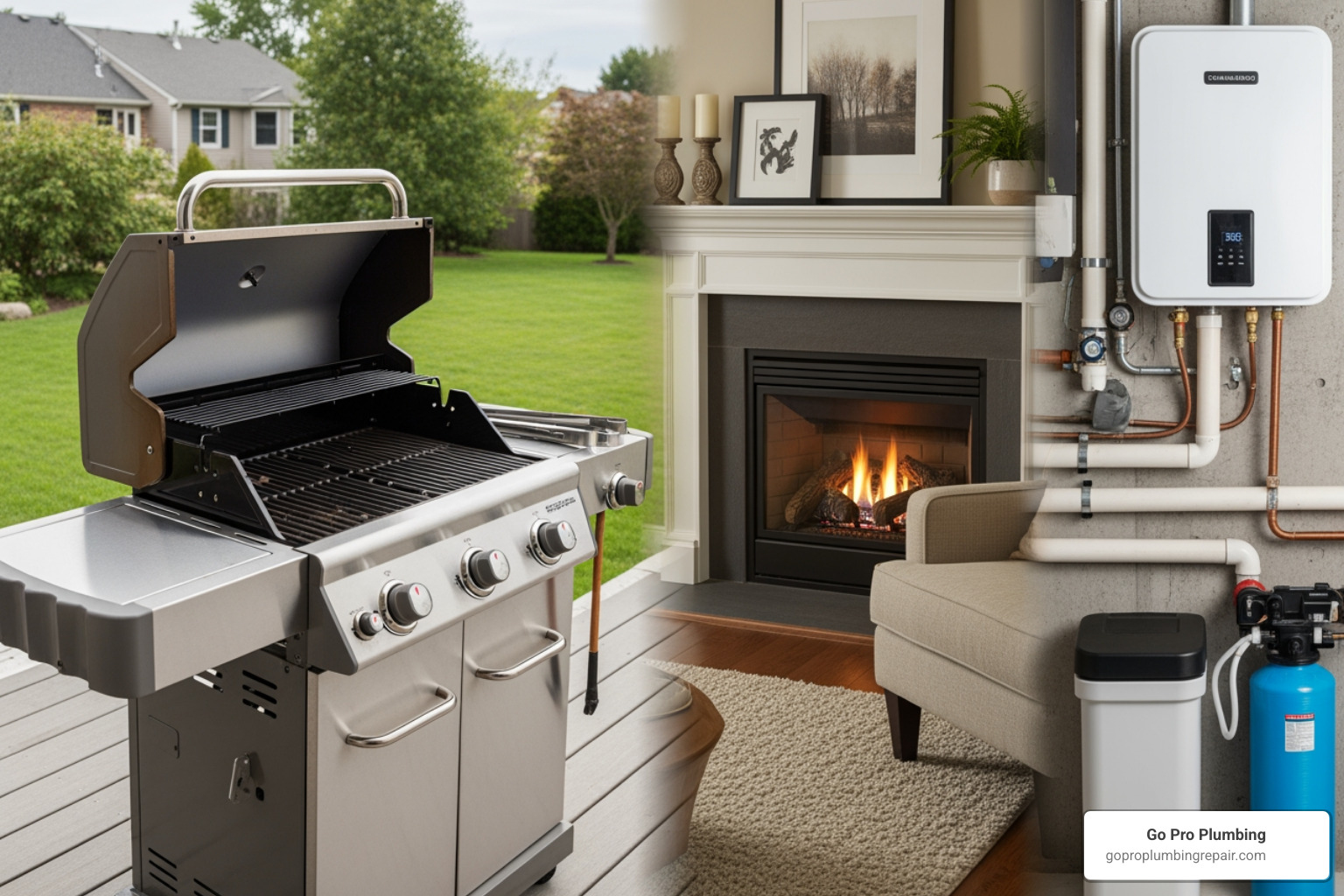
Common appliances requiring a gas line installation service
Natural gas is a versatile energy source that can power a wide array of appliances, enhancing comfort, efficiency, and convenience in your home. Here are some of the most common appliances for which we provide gas line installation service:
- Indoor Appliances:
- Furnaces: Providing efficient whole-home heating.
- Water Heaters: Tankless or traditional, gas water heaters offer quick recovery and consistent hot water.
- Stoves/Ranges: Many chefs prefer the precise temperature control of a gas stovetop.
- Dryers: Gas dryers often dry clothes faster and more efficiently than electric models.
- Fireplaces: Gas fireplaces offer the ambiance of a traditional fire with the convenience of a switch, no wood required.
- Outdoor Appliances:
- BBQs/Grills: Say goodbye to propane tanks! A dedicated gas line provides an uninterrupted fuel supply for your outdoor grilling adventures.
- Fire Pits: Extend your outdoor living season with a cozy gas fire pit.
- Pool Heaters: Efficiently heat your pool for year-round enjoyment.
- Outdoor Kitchens: From built-in grills to side burners and pizza ovens, natural gas can power your entire outdoor culinary setup.
The possibilities are extensive, and we’re here to help you connect all your desired gas appliances safely and efficiently.
Finding a licensed and certified gas line installer
Choosing the right professional for your gas line installation service is paramount. In Northern California, you want a team that is not only skilled but also fully compliant with state and local regulations. Here’s how to find the best:
- Checking for State Licenses: Always verify that any plumber or contractor you consider holds the appropriate state licenses for gas line work. In California, this typically means a C-36 Plumbing Contractor license. Licensing ensures they have met minimum competency standards.
- Verifying Insurance and Bonding: A reputable company will carry comprehensive liability insurance and be bonded. This protects you in case of accidental damage or if a worker is injured on your property. Never work with an uninsured contractor.
- Reading Customer Reviews: Online reviews on popular platforms can offer valuable insights into a company’s reliability, customer service, and quality of work. Look for consistent positive feedback, especially regarding safety and professionalism.
- Getting Multiple Quotes: While we’re confident in our competitive pricing and exceptional service, it’s always wise to obtain quotes from a few different licensed and insured professionals. This helps you compare costs and understand the scope of work each company proposes. Just remember, the cheapest quote isn’t always the best; quality and safety should be your top priorities.
Understanding the costs of gas line installation
The cost of a gas line installation service can vary, but being aware of the general ranges and factors influencing the price will help you budget effectively.
- Average Cost: The average cost for gas line installation is around $600.
- Cost Range: Gas line installation costs can range from $250 to $1,000 or more.
- Factors Affecting Price: Several elements influence the final price:
- Length of Pipe: The longer the gas line run from the meter to the appliance, the more material and labor will be required.
- Complexity of the Job: Installing a simple line for a gas dryer will be less complex than running multiple lines for an outdoor kitchen, which might involve trenching, intricate routing, and multiple connections.
- Permits: The cost of necessary permits from your local municipality will be included in the total.
- Type of Piping: Different materials (e.g., black iron pipe, corrugated stainless steel tubing (CSST)) have varying costs and installation requirements.
- Accessibility: Ease of access to the installation area can impact labor time.
- Per-Foot Pricing vs. Project-Based Quotes: Some companies might quote a starting price per foot, often with a minimum project charge. While this gives an idea, for a comprehensive gas line installation service, a detailed project-based quote after a site assessment is typically more accurate and transparent.
A professional gas line installation service is an investment in your home’s safety and efficiency. We prioritize transparent pricing and clear communication, so you always know what to expect.
Frequently Asked Questions about Gas Line Services
We understand you likely have many questions about gas line installation service, and we’re here to provide clear, concise answers.
How long does a typical gas line installation take?
Most residential gas line installations are completed within a few hours. For example, connecting a new gas stove or dryer to an existing, accessible gas line can be a relatively quick process. However, the exact duration depends on the complexity and length of the project. If we’re installing a new line that requires extensive trenching for an outdoor BBQ or running a long line to a new area of your home, it could take a full day. Our team always strives for efficiency without compromising safety or quality.
What is a ‘red tag’ and what does it mean for my gas system?
As we discussed earlier, a ‘red tag’ is a critical safety warning issued by a utility company or certified technician. It indicates a problem with your gas appliance or system that poses a safety hazard.
- Type A Red Tag: This means there’s an immediate and severe danger. The gas supply to the appliance or even your entire home will be shut off immediately. This could be due to a significant gas leak, extreme carbon monoxide levels, or a severely damaged component. Your gas will not be restored until the issue is professionally repaired and inspected.
- Type B Red Tag: This indicates a non-immediate hazard that still requires attention. While the gas supply isn’t immediately cut off, you’ll be given a specific timeframe to have the problem rectified by a licensed professional. Ignoring a Type B tag can lead to more severe issues or a Type A classification.
If your gas system receives a red tag, it’s crucial to contact a licensed and certified professional, like us, right away. We can diagnose the problem, perform the necessary repairs, and ensure your system is safe and compliant with all regulations before it’s put back into service.
Who is responsible for what: the utility company or the plumber?
Understanding the division of responsibility between your local natural gas utility company and a licensed plumber is essential for a smooth gas line installation service. It’s a common point of confusion, so let’s clarify:
- The Utility Company’s Role (e.g., PG&E in Northern California): The natural gas utility company is responsible for the main gas lines that run throughout your community and connect to your property. They are the “delivery service for your natural gas” and handle:
- Installing and maintaining the main gas line up to your property.
- Installing and maintaining the gas meter, which measures your gas consumption.
- Ensuring the safe and reliable supply of natural gas to the meter.
- Responding to reports of gas leaks in their main lines or at the meter.
- The Licensed Plumber’s Role: A licensed plumber, like our team at Go Pro Plumbing, is responsible for everything from the gas meter into and throughout your home or property. This includes:
- Installing new gas lines from the meter to all your gas appliances (furnace, water heater, stove, dryer, BBQ, fireplace, etc.).
- Connecting and disconnecting gas appliances.
- Repairing or replacing existing gas lines within your property.
- Ensuring all internal gas piping meets local building codes and safety standards.
- Performing necessary pressure tests and inspections.
As the research clearly states, “A licensed plumber is required to help install your gas line and equipment in your home,” and they “handle everything inside the home after the gas company has completed its external work.”
In short, the utility company gets the gas to your meter, and we, as your licensed plumbers, get it from the meter to where you need it, safely and efficiently.
Conclusion: Ensure a Safe and Reliable Gas Connection
When it comes to gas line installation service, safety is not just a priority; it’s the absolute foundation of everything we do. From the initial site analysis to the final pressure test, every step is carefully carried out to ensure the well-being of your family and the integrity of your home. We’ve explored the critical risks of attempting DIY gas work, the unparalleled benefits of hiring licensed professionals, and the detailed process that guarantees a reliable and compliant gas connection.
Choosing a professional for your gas line installation service isn’t just about getting the job done; it’s about investing in long-term value, efficiency, and, most importantly, peace of mind. Natural gas offers incredible benefits for heating, cooking, and outdoor living, but these benefits are only realized when the system is installed correctly.
For expert assistance and same-day service for your gas line needs in Northern California, including Rancho Cordova and Sacramento, trust the certified professionals at Go Pro Plumbing. We’re committed to providing outstanding customer service and ensuring your gas system is safe, efficient, and reliable. Learn more about our gas line repair and installation services.