
Upgrade Your Kitchen: Installing a New Faucet is Easier Than You Think
By Brian on February 5, 2026
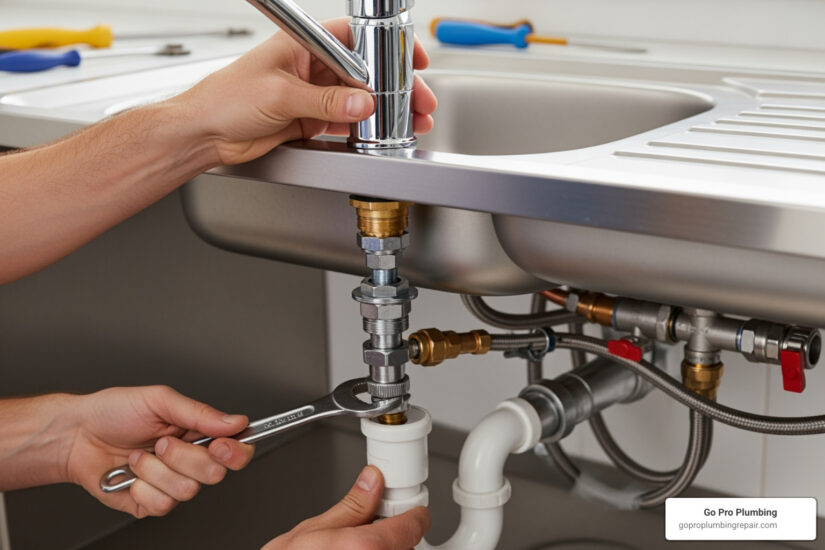
Why Installing Faucet in Kitchen Sink is a Smart DIY Project
Installing faucet in kitchen sink is one of the most affordable and impactful upgrades you can make to your kitchen. The good news? You don’t need to be a plumbing expert to do it yourself.
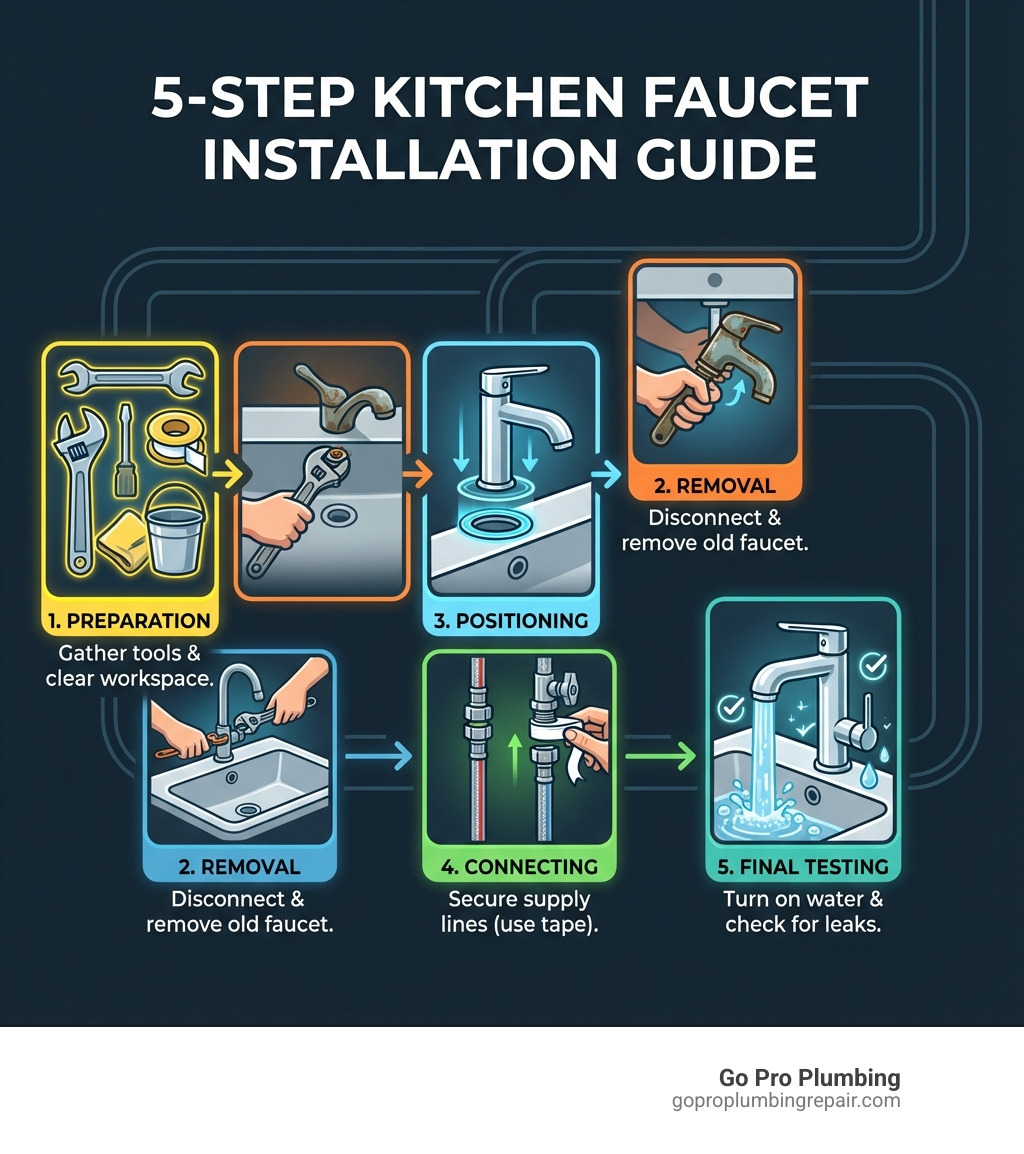
Quick Answer: Basic Steps for Installing a Kitchen Faucet
- Turn off water supply valves under the sink
- Remove the old faucet by disconnecting supply lines and loosening mounting nuts
- Clean the sink surface where the new faucet will sit
- Install the new faucet with gasket or plumber’s putty
- Connect water supply lines to hot and cold valves
- Test for leaks and flush the faucet lines
Time Required: 45 minutes to 2 hours
Difficulty Level: Beginner to Intermediate
Estimated DIY Cost: $100-$150 (including a basic faucet)
A new kitchen faucet can completely transform the look and functionality of your space. According to industry data, this project typically costs around $100 when you do it yourself, compared to an average of $260 or more when hiring a professional. Most homeowners with no plumbing experience can complete this simple project in less than an hour.
The key to success is having the right tools, understanding your sink’s hole configuration, and following a clear step-by-step process. Whether you’re dealing with a leaky old faucet or simply want to upgrade your kitchen’s style, this guide will walk you through everything you need to know.
If you run into corroded connections, damaged shutoff valves, or simply prefer professional help, Go Pro Plumbing offers same-day service throughout Northern California to ensure your installation is done right the first time.
Preparation: Gathering Tools and Understanding Your Sink
Before we dive into the exciting part of installing faucet in kitchen sink, proper preparation is crucial. Think of it as setting the stage for a smooth, leak-free performance. Gathering your tools and understanding your sink’s unique characteristics will save you time and frustration down the line.
Tools and Materials You’ll Need
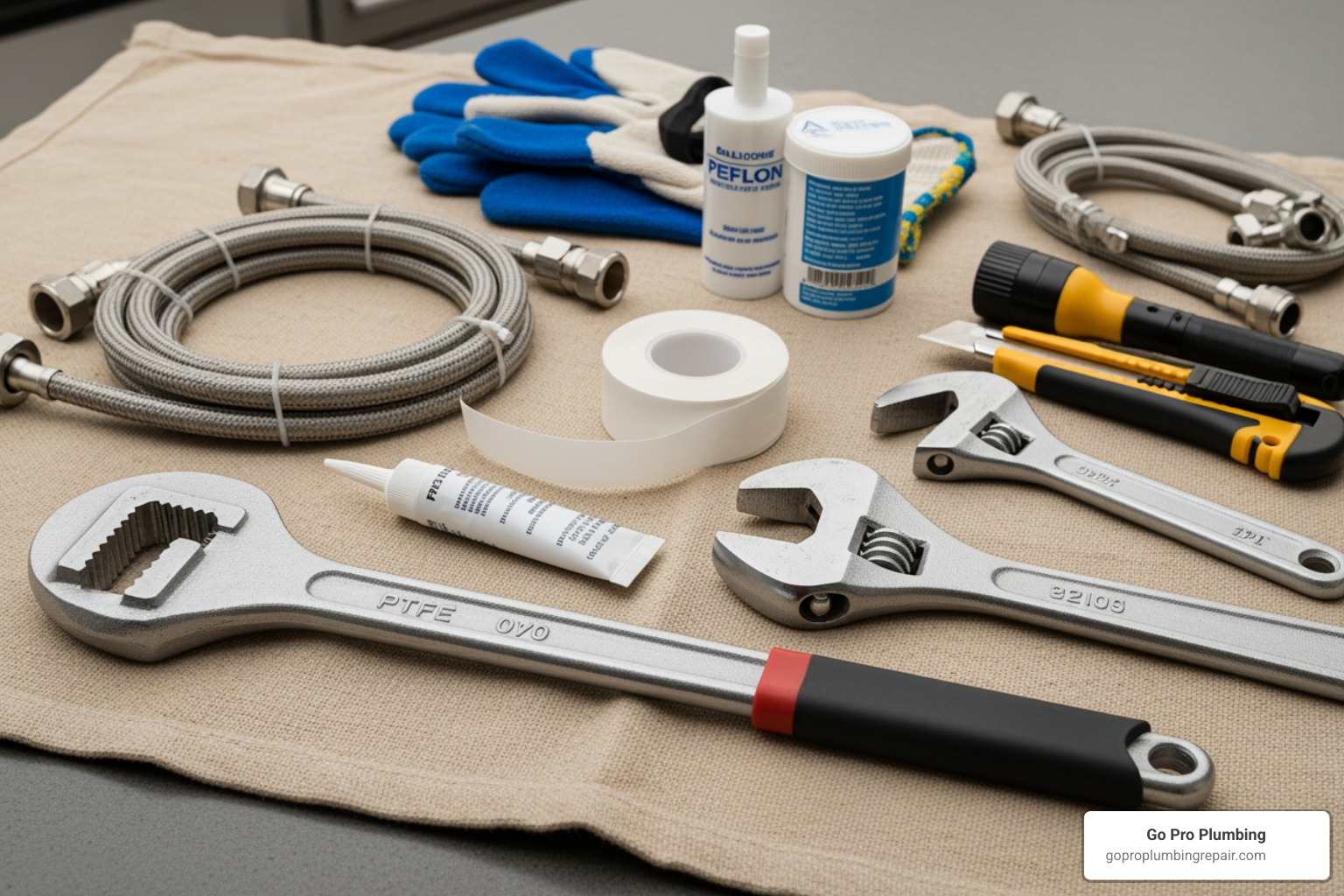
Having the right tools on hand is half the battle when undertaking any DIY project, especially plumbing. Here’s a comprehensive list of what we’ll need:
- Adjustable Wrench: For loosening and tightening supply line nuts and other connections.
- Basin Wrench: This specialized tool, often with a telescoping handle, is a lifesaver for reaching those awkward, hard-to-reach nuts that secure the faucet to the sink from underneath. It’s designed for tight spaces behind the sink basin near the top of the cabinet, making the task significantly easier. You can find a good quality basin wrench at most hardware stores.
- Pliers: For gripping and turning, especially useful for hose connections or stubborn nuts.
- Putty Knife: Essential for scraping away old plumber’s putty or caulk from the sink surface. A putty knife is a simple but effective tool.
- Bucket and Towels: To catch any residual water when disconnecting lines and to clean up spills.
- Flashlight or Headlamp: Working under the sink can be dark, so good illumination is key.
- Safety Glasses: Protect your eyes from falling debris or splashes.
- Plumber’s Putty: If your new faucet doesn’t come with a pre-installed gasket, plumber’s putty is used to create a watertight seal between the faucet base and the sink. We’ll roll it into a thin “snake” and press it around the base. You can find plumber’s putty at any hardware store.
- Teflon Tape (Plumber’s Tape): This thin, white tape is wrapped around threaded connections on supply lines to ensure a tight, leak-free seal. We’ll wrap a strip of Teflon plumber’s tape around the pipe’s threads.
- New Faucet Kit: Of course, your brand-new kitchen faucet! Always refer to the manufacturer’s instructions for specific assembly details. A popular choice for many is a single-handle kitchen faucet.
- Flexible Supply Lines: Many new faucets come with these pre-attached, but if not, you’ll need new flexible supply lines to connect your faucet to the water supply valves. Make sure they are the correct length and connection size (typically 3/8-inch, but sometimes 1/2-inch). Flexible piping is readily available.
Check Your Sink’s Hole Configuration
Before you even think about buying a new faucet, we need to understand your sink’s hole configuration. This is crucial for compatibility. Most kitchen sinks have between one and four holes.
- One-Hole Faucet: Ideal for minimalist designs, these faucets usually integrate the spout and handle into a single unit. They are commonly installed in single-hole sinks.
- Two-Hole Faucet: These often feature a single handle and an additional accessory, such as a sprayer or soap dispenser.
- Three-Hole Faucet: The traditional setup, typically with separate hot and cold handles and a central spout. The holes are usually an 8-inch spread on center.
- Four-Hole Faucet: Accommodates the spout, hot and cold handles, and an additional accessory like a sprayer or soap dispenser.
What is a Deck Plate (Escutcheon)?
A deck plate, also known as an escutcheon plate, is a decorative piece that covers unused holes in your sink. For example, if you have a three-hole sink but want to install a sleek one-hole faucet, a deck plate will cover the two outer holes, giving you a clean, finished look. You can install a one-hole faucet in a three- or four-hole sink by adding a deck plate. However, you cannot install a faucet designed for more holes into a sink with fewer holes.
Here’s a quick guide to sink hole compatibility:
| Sink Holes | Compatible Faucet Types | Deck Plate Needed? | Notes |
|---|---|---|---|
| 1-Hole | 1-Hole Faucet | No | Clean, minimalist look. |
| 2-Hole | 1-Hole Faucet | Yes (often) | Can use one hole for faucet, one for sprayer/soap dispenser. |
| 2-Hole Faucet | No | ||
| 3-Hole | 1-Hole Faucet | Yes | Covers outer holes. |
| 2-Hole Faucet | Yes | Covers one unused hole. | |
| 3-Hole Faucet | No | Traditional setup. | |
| 4-Hole | 1-Hole Faucet | Yes | Covers three outer holes. |
| 2-Hole Faucet | Yes | Covers two unused holes. | |
| 3-Hole Faucet | Yes | Covers one unused hole. | |
| 4-Hole Faucet | No | Full accessory setup. |
Understanding your sink’s configuration is the first step in selecting the right faucet and ensuring a successful faucet sink installation. For more in-depth information, check out our Complete Kitchen Sink Faucet Guide.
Preparing the Work Area
Working under the sink can be a bit like plumbing yoga – lots of contorting and tight spaces. Let’s make it as comfortable and safe as possible:
- Clear Under the Sink: Remove everything from the cabinet under your sink. This gives us maximum working room and prevents anything from getting wet or damaged. A pillow can also be a surprisingly helpful tool for cushioning your back or neck while you’re down there!
- Turn Off Water Supply Valves: This is non-negotiable! Locate the hot and cold water shutoff valves under the sink and turn them clockwise until they are completely off. If your valves are old or don’t shut off completely, or if you don’t have individual shutoff valves, we’ll need to turn off the main water supply to your house.
- Relieve Water Pressure: Once the water supply is off, turn on the old faucet to drain any remaining water from the lines and relieve pressure. This prevents a surprise shower when you disconnect the supply lines.
- Place Bucket for Drips: Even with the water off, some residual water will be in the lines. Place a bucket or shallow pan and some old towels directly under the supply lines to catch any drips when you disconnect them.
- Turn Off Garbage Disposal Power: If you have a garbage disposal, it’s a good safety measure to turn off the power to its electrical outlet. You can usually do this at your home’s electrical panel.
With our tools ready, sink understood, and workspace prepped, we’re ready to tackle the old faucet!
Step 1: Removing the Old Kitchen Faucet
Out with the old, in with the new! Removing your existing faucet is often the most challenging part of the entire process, mainly due to cramped spaces, corrosion, or stubborn nuts. But don’t worry, we’ve got this.
Disconnect Water Supply and Drain Lines
This is where that bucket and towels come in handy!
- Locate Shutoff Valves: Double-check that your hot and cold water supply valves under the sink are fully closed.
- Use Adjustable Wrench: Using your adjustable wrench, carefully loosen the nuts connecting the hot and cold water supply lines to the old faucet. It’s wise to stabilize the water pipes while loosening to prevent compromising other connections.
- Catch Water in Bucket: Be prepared for a small amount of water to drain out as you disconnect the lines.
- Photograph Plumbing Setup for Reference: Before you disconnect anything, take a quick photo of the existing plumbing configuration. This can be a lifesaver later if you forget which line goes where, especially if you’re replacing a more complex system.
Loosen and Remove the Faucet Mounting Hardware
Now for the fun part – getting the old faucet out!
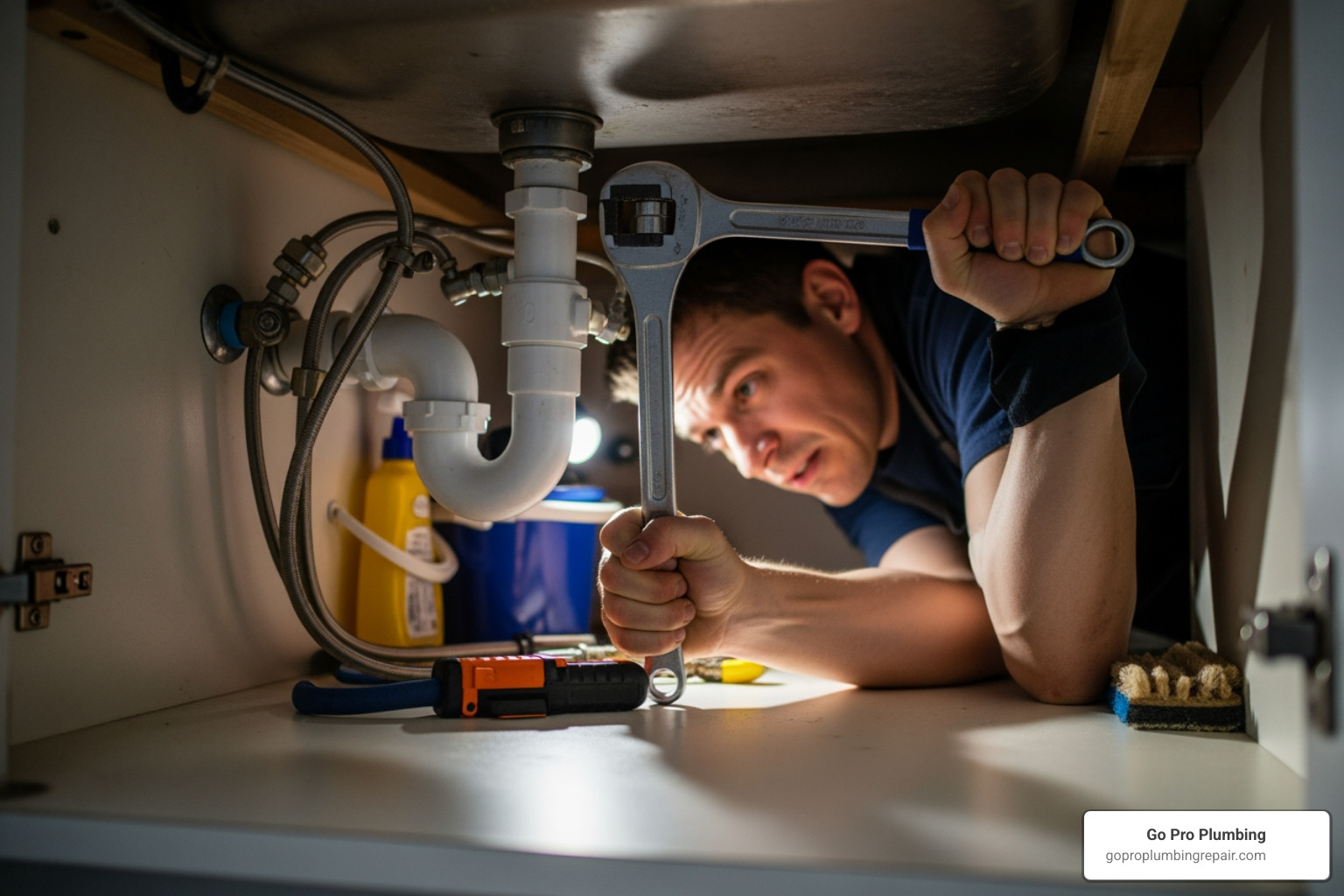
- Use a Basin Wrench: The old faucet is typically secured to the sink by mounting nuts or screws from underneath. This is where your trusty basin wrench will earn its keep. Reach up under the sink and use it to loosen these nuts. If you have a helper, have them hold the faucet steady from above while you loosen the nuts below. This prevents the faucet from spinning.
- Penetrating Oil for Rusted Nuts: If the nuts are corroded or extremely tight, a little penetrating oil can work wonders. Spray it on, let it sit for a few minutes, and try again. Sometimes, gently rocking the old faucet from above can help loosen it too.
- Remove Faucet from Above: Once all mounting hardware and supply lines are disconnected, you should be able to lift the old faucet straight out from the top of the sink.
- Clean Old Putty and Grime: After the old faucet is removed, use your putty knife to scrape away any old plumber’s putty, caulk, or mineral deposits from the sink surface around the faucet holes. A clean surface is essential for a watertight seal with your new faucet.
Congratulations, the old faucet is out! We’re one step closer to changing out your bathroom sink faucet—oops, wrong sink! But the principles are similar! For more detailed guidance on removing and replacing faucets, refer to our Sink Faucet Replacement Guide.
Step 2: A Guide to Installing Faucet in Kitchen Sink
Now that the old faucet is gone and the sink is gleaming, it’s time for the star of the show: installing faucet in kitchen sink. This is where your new kitchen’s centerpiece comes to life!
Position the New Faucet and Gasket
This step is critical for ensuring a watertight seal and proper alignment.
- Read Manufacturer Instructions: Always, always, always refer to the specific instructions that came with your new faucet. While general steps apply, each model can have unique requirements.
- Apply Gasket or Plumber’s Putty: Most new faucets come with a rubber or plastic gasket that goes between the faucet base and the sink to prevent leaks. Place this gasket firmly around the base of the faucet. If your new faucet did not come with a gasket, or if the instructions recommend it, warm some plumber’s putty in your hands until it’s soft, roll it into a thin “snake,” and press it around the base of the faucet where it will meet the sink. This ensures a watertight seal.
- Feed Supply Lines Through the Hole: Carefully feed the faucet’s flexible supply lines and any other hoses (like for a sprayer) down through the main faucet hole(s) in the sink.
- Use a Deck Plate if Needed: If you’re installing a one-hole faucet into a multi-hole sink, first position the deck plate (escutcheon) over the sink holes, ensuring its gasket is properly seated, then feed the faucet lines through the deck plate’s central hole.
Secure the Faucet from Underneath
With the faucet positioned on top, it’s time to secure it from below.
- Hand-Tighten Mounting Nuts: From under the sink, slide on any washers, mounting brackets, and then hand-tighten the mounting nuts onto the faucet’s threaded shanks. Get them as snug as you can by hand.
- Use Basin Wrench for Final Tightening: Now, grab your basin wrench and carefully tighten these nuts. Be firm, but don’t overtighten, as this can crack the sink or damage the faucet. You want it secure, not crushed!
- Ensure Faucet is Straight: Before fully tightening, have a helper check from above to ensure the faucet is perfectly straight and centered. Once it’s tight, it’s difficult to adjust.
- Wipe Away Excess Putty: If you used plumber’s putty, any excess that squeezed out from under the faucet base can now be wiped away with a clean cloth.
Attach the Sprayer Hose and Counterweight
If your new faucet includes a pull-down or pull-out sprayer, this step is for you.
- Connect Quick-Connect Hose: Many modern pull-down faucets use a quick-connect system for the sprayer hose. Simply push the hose connector firmly onto the designated port on the faucet’s underside until it clicks securely.
- Attach Counterweight: The counterweight is crucial for ensuring the sprayer hose retracts smoothly back into the faucet. Attach the counterweight to the pull-down sprayer hose a few inches up from the bottom of the hose’s draped loop, not at the very bottom. This placement allows gravity to do its job effectively.
- Ensure Weight Moves Freely: Make sure the counterweight has enough clearance under the sink to move freely without snagging on pipes, the garbage disposal, or other items. This ensures the sprayer hose can extend and retract without issue.
For those with pull-down sprayers, you might find additional tips in our guide on kitchen sink mixer tap installation.
Step 3: Final Connections, Testing, and Troubleshooting
We’re almost there! The faucet is mounted, and now we just need to connect the water, test for leaks, and address any minor issues. This is the moment of truth for your newly installed faucet in kitchen sink.
Connect the Water Supply Lines
Connecting the supply lines correctly is vital for proper function and to prevent leaks.
- Hot Line to Hot Valve; Cold Line to Cold Valve: This might seem obvious, but in the cramped space under the sink, it’s easy to get them mixed up. The left side is typically hot, and the right side is cold. If you photographed your old setup, refer to that.
- Use Teflon Tape on Threads: Wrap Teflon plumber’s tape clockwise around the male threads of your shutoff valves and the faucet supply lines (if they don’t have built-in gaskets). This creates a better seal and prevents leaks.
- Hand-Tighten then Quarter-Turn with Wrench: Screw the supply line nuts onto the corresponding valves by hand first, ensuring they’re not cross-threaded. Then, use your adjustable wrench to give them an additional quarter to half a turn. Do not overtighten, as this can damage the plastic nuts or crush the washers, leading to leaks.
- Connect Sprayer Hose (if applicable): If your faucet has a separate side sprayer or other components, connect their supply lines now, following the manufacturer’s instructions.
For any specific needs regarding faucet and sink repairs, our team at Go Pro Plumbing is always ready to assist. You can learn more about our services for faucet and sink repair.
Turn on Water and Check for Leaks
This is the moment we’ve all been waiting for!
- Turn on Shutoff Valves Slowly: Slowly turn the hot and cold water supply valves counter-clockwise, opening them fully.
- Check All Connection Points: With the water on, immediately get under the sink with your flashlight and inspect every single connection point you just made.
- Faucet Base: Look for any water seeping from under the faucet where it meets the sink.
- Supply Line Nuts: Check where the supply lines connect to the faucet and where they connect to the shutoff valves.
- Shutoff Valves: Ensure the valves themselves aren’t leaking.
- Tighten if Necessary: If you spot a minor drip, gently tighten the connection a little more with your wrench. Do not crank it down with excessive force. Sometimes, a small adjustment is all that’s needed. If a leak persists, you might need to re-tape and re-tighten the connection.
Flush the Faucet and Troubleshoot Issues
Even if there are no visible leaks, one final step is important.
- Remove Aerator: The aerator is the screen at the tip of your faucet spout. Unscrew it. This prevents any debris that might have entered the water lines during installation from clogging it.
- Run Water for One Minute to Clear Debris: Turn on both the hot and cold water full blast through the new faucet for about a minute. This flushes out any air, sediment, or small particles that may have dislodged in the pipes during the installation process.
- Reinstall Aerator: Turn off the water, screw the aerator back on, and your faucet is ready for action!
- Troubleshooting Low Water Pressure: If you experience low water pressure after installation, first check that the shutoff valves are fully open. Next, ensure there are no kinks in your flexible supply lines. If the problem persists, remove the aerator again and check for debris. Sometimes, debris can get stuck in the faucet’s internal cartridges, requiring a professional plumber’s attention.
- Fixing Minor Drips: If, after flushing, you notice a small drip, re-inspect the connections and try a gentle tightening. If the drip is from the faucet spout itself, it might indicate an issue with the faucet’s internal components, which may require contacting the manufacturer or a professional.
When to Call a Professional Plumber
While installing faucet in kitchen sink is often a rewarding DIY project, there are times when calling in the experts is the smartest move. We at Go Pro Plumbing are here to help if you encounter any of these situations:
- Corroded Pipes or Damaged Shutoff Valves: If you find heavily corroded pipes or shutoff valves that won’t turn off completely, attempting to force them can lead to bigger, more expensive problems.
- Leaks You Can’t Fix: If, despite your best efforts, you can’t stop a leak, it’s time to call in a professional. Persistent leaks can cause significant water damage.
- Complex Faucet Systems: Some high-tech or commercial-style faucets have intricate installation requirements that might be beyond the scope of a typical DIYer.
- Lack of Proper Tools or Experience: If you don’t have the necessary tools (like that basin wrench!) or feel uncomfortable at any point, don’t push it. It’s better to invest in professional help than risk water damage or injury.
- Limited Access: Sometimes, the space under the sink is so cramped or obstructed that it’s nearly impossible to work effectively.
If you’re uncomfortable with the project, the experts at Go Pro Plumbing offer same-day service throughout Northern California, including Sacramento and Rancho Cordova, to ensure your faucet is installed correctly and efficiently. We’re proud of our commitment to outstanding customer service and are always ready to lend a hand.
Frequently Asked Questions about Faucet Installation
How much does it cost to install a kitchen faucet?
The cost of installing faucet in kitchen sink varies significantly depending on whether you do it yourself or hire a professional, and the price of the faucet itself.
- DIY Cost: If you install it yourself, the project can cost as little as $100, largely covering the price of an inexpensive faucet model. Basic models can be found for under $50, while more feature-rich faucets can cost hundreds of dollars. The total DIY cost for the faucet and any necessary supplies like plumber’s putty or tape is typically around $75 to $125.
- Professional Installation Cost: If you hire a plumber, the cost can average around $260 or more, in addition to the faucet’s price. While a plumber is typically not needed for a standard installation, the convenience and expertise can be worth the investment for some homeowners.
For more information on the various costs associated with upgrading your kitchen’s water fixtures, explore our Complete Kitchen Sink Faucet Guide.
Can I install a one-hole faucet in a three-hole sink?
Yes, absolutely! This is a very common scenario. If you have a three-hole sink but prefer the modern look of a one-hole faucet, you can use a deck plate, also known as an escutcheon plate. This plate sits on the sink deck, covering the two unused outer holes, and the one-hole faucet is then installed through the central opening of the deck plate. This provides a clean, finished appearance.
However, the reverse is not true: you cannot install a faucet designed for three holes into a sink with only one hole.
What is the difference between installing a single-handle and a double-handle faucet?
The core process for installing faucet in kitchen sink remains largely the same for both single-handle and double-handle faucets, but there are a few minor differences in the connections:
- Single-Handle Faucets: These faucets usually have the hot and cold water lines integrated into the faucet body itself, leading to a single main connection point under the sink. Installation often involves feeding fewer lines through the sink hole and making fewer connections to the supply valves. For a visual guide, you can watch how to install a single-handle kitchen faucet.
- Double-Handle Faucets: These traditional faucets have separate hot and cold handles, meaning they will have individual hot and cold supply lines that need to be connected to their respective shutoff valves. This typically involves feeding more components through the sink holes and making separate connections for each handle and the spout.
In both cases, we always recommend following the manufacturer’s specific instructions, as designs can vary.
Your Kitchen Upgrade is Complete
There you have it! Installing faucet in kitchen sink might seem daunting at first, but with the right tools, careful preparation, and our step-by-step guidance, it’s a completely achievable DIY project. You’ve not only saved money but also gained the satisfaction of improving your home with your own hands.
Your kitchen now boasts a functional, beautiful new faucet, enhancing both its utility and aesthetic appeal. Enjoy the fresh look and smooth operation of your upgraded sink! For complex plumbing jobs, persistent issues, or if you simply prefer professional assistance, Go Pro Plumbing is here for all your faucets and sinks needs in Northern California. We’re committed to providing outstanding customer service and offer same-day service to get your plumbing flowing perfectly.