
Clogged Up? How to Tackle Your Main Drain and Keep Things Flowing
By Brian on January 2, 2026
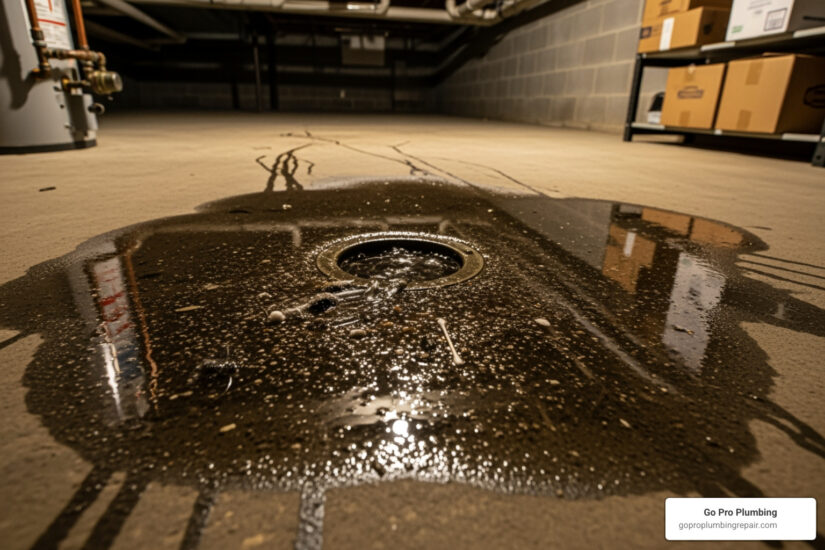
When Your Whole House Backs Up: Understanding Main Drain Clogs
A main drain clog is a serious plumbing emergency where the primary sewer line from your home becomes blocked, causing multiple fixtures to back up simultaneously. You’ll know you have a main line issue if using water in one part of the house causes backups in another.
Quick Action Steps:
- Stop using all water immediately
- Turn off your main water supply
- Locate your sewer cleanout
- Call a professional plumber
- Avoid chemical drain cleaners
The main sewer line carries all wastewater from your home to the municipal sewer or septic tank. When blocked, water backs up through the lowest drains. Common causes include grease buildup, “flushable” wipes, and tree roots.
Is It Your Main Drain? Telltale Signs of a Major Blockage
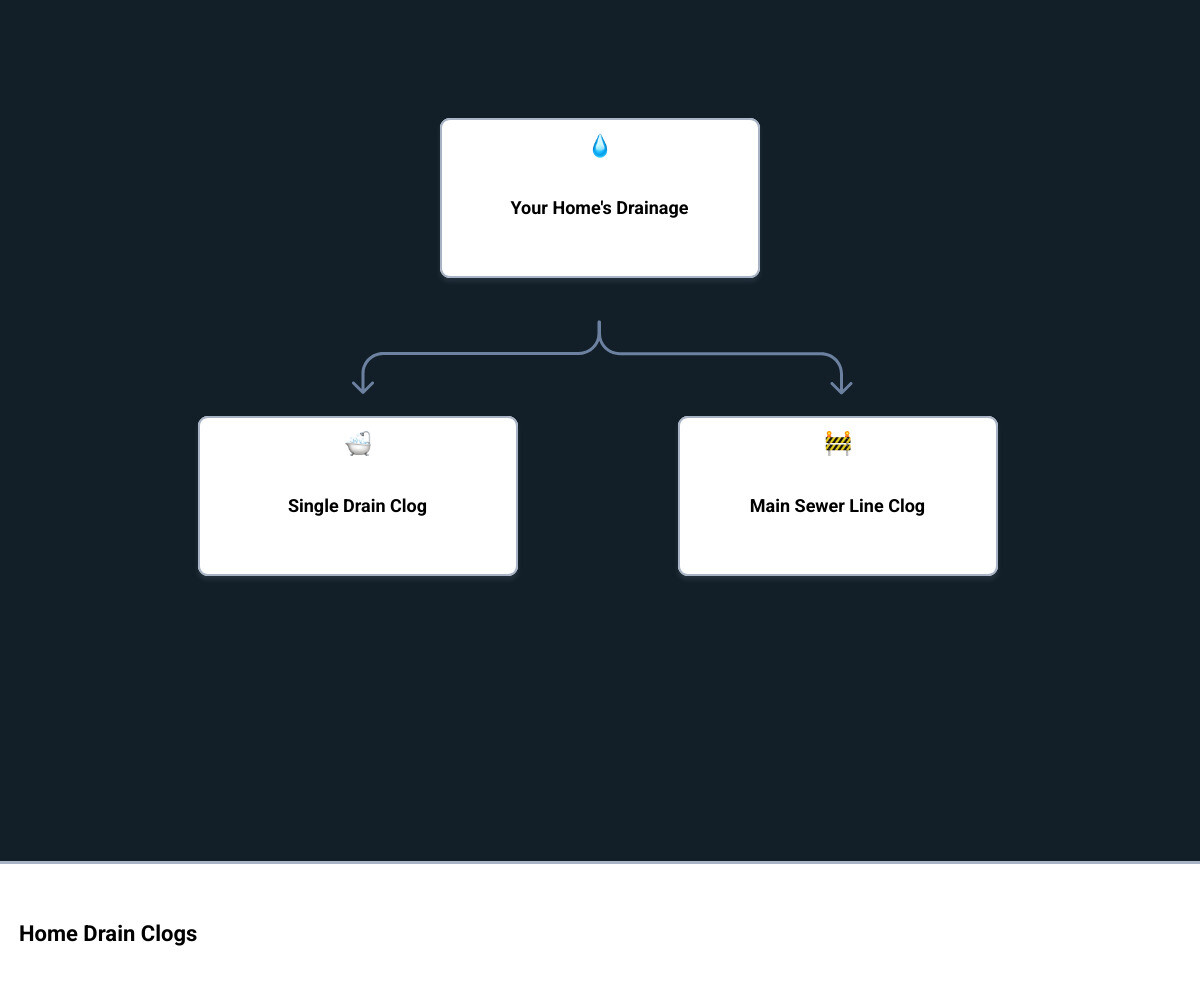
It’s crucial to know if you’re dealing with a simple clog or a major main drain clog. A single clogged drain affects only one fixture, like a slow-draining sink, and can often be a DIY fix. A main drain clog, however, is a system-wide problem affecting multiple fixtures at once.
Key Warning Signs to Watch For
Recognizing these specific warning signs early can save you from a major headache:
- Multiple Fixtures Backing Up: The most obvious sign. If flushing a toilet causes water to gurgle up in the shower, or running the washing machine makes a sink overflow, the problem is in the main line.
- Gurgling Sounds: Strange gurgling noises from your drains or toilets, especially after flushing, indicate trapped air in the sewer line.
- Foul Odors: A persistent smell of sewage from your drains or in your yard is a red flag that wastewater isn’t draining properly.
- Slow Drains Everywhere: If all the drains in your house are slow, not just one, it points to a central blockage.
- Water at the Cleanout: If you see water or sewage coming out of the sewer cleanout pipe in your yard, you have a confirmed main line clog.
If you notice any of these symptoms, especially in combination, it’s time to stop using water and call a professional plumber immediately to avoid significant water damage and health risks.
What’s Causing the Blockage? Common Culprits Behind Main Drain Clogs
A main drain clog doesn’t just happen out of the blue; it’s usually the result of an accumulation of various culprits over time. Understanding these common causes can help you prevent future blockages.
- Grease, Oil, and Fat: Pouring cooking grease down the drain is a primary cause of clogs. It solidifies in the pipes, catching other debris and creating a stubborn blockage.
- Improperly Flushed Items: So-called “flushable” wipes are a major problem. They don’t break down like toilet paper and can easily create massive clogs. Other items like paper towels, feminine hygiene products, and cotton swabs should never be flushed.
- Tree Root Intrusion: Tree roots are naturally drawn to the moisture in sewer lines. They can infiltrate pipes through tiny cracks, growing into a dense mass that obstructs flow and can even break the pipe.
- Pipe Damage: Older or damaged pipes can also be the cause. Sagging sections (bellies) can collect debris, and cracked or collapsed pipes will prevent proper drainage. This is a common issue in older homes with clay or Orangeburg pipes.
Knowing what causes these blockages is the first step in preventing them. In areas like Sacramento and Rancho Cordova, with many established trees and older homes, being aware of these potential issues is key.
How to Tackle a Main Drain Clog: DIY vs. Professional Methods
When faced with a main drain clog, you have two options: try to fix it yourself or call a professional. While a DIY approach might seem tempting for minor issues, a main line blockage is a different beast entirely.
DIY Attempts
For very minor clogs, you might try a plunger or a small hand snake. However, these are often ineffective for deep or severe blockages. Crucially, avoid chemical drain cleaners. They are rarely strong enough to clear a main line clog, can damage your pipes, and create a hazardous situation for the plumber who eventually has to fix the problem.
When to Call a Professional
If you see water backing up in multiple drains, it’s time to call a professional plumber. They have the specialized equipment needed to diagnose and resolve the issue safely and effectively.
What to Do While You Wait for the Plumber
- Stop All Water Use: Do not flush toilets, run faucets, or use any water-based appliances.
- Turn Off the Main Water Supply: If necessary, shut off the main water valve to your house to prevent more water from entering the system and worsening the backup.
- Locate Your Sewer Cleanout: Find the capped pipe in your yard or basement. If you open it and see standing water, it confirms a main line blockage. Be cautious, as water may overflow.
Professional Solutions for a Stubborn Main Drain Clog
When DIY methods aren’t enough, it’s time to call in the professionals. At Go Pro Plumbing, we use advanced techniques to tackle even the toughest clogs:
- Sewer Camera Inspection: We use a specialized, waterproof camera to inspect the inside of your sewer line. This allows us to see the exact location and cause of the blockage—whether it’s tree roots, grease, a foreign object, or a collapsed pipe. This diagnostic step prevents guesswork and ensures we use the right solution.
- Motorized Drain Auger (Plumbing Snake): For many clogs, a professional-grade motorized auger is the tool of choice. It’s far more powerful than a handheld snake and can cut through many obstructions, including some tree roots, to restore flow.
- High-Pressure Water Jetting: This is the ultimate solution for clearing stubborn blockages. A high-pressure water jetter uses a specialized nozzle to blast water at up to 4,000 PSI, scouring the inside of your pipes. It not only breaks up the clog but also cleans the entire pipe wall, removing grease, scale, and roots, which helps prevent future issues.
- Trenchless Pipe Repair: If the camera inspection reveals that your pipe is broken, cracked, or collapsed, a simple cleaning won’t be a permanent solution. We offer trenchless pipe repair methods, which allow us to repair or replace the damaged section of your sewer line without having to dig up your entire yard.
Main Drain Clog: Main Drain Clog
## Is It Your Main Drain? Telltale Signs of a Major Blockage

It's crucial to know if you're dealing with a simple clog or a major **main drain clog**. A single clogged drain affects only one fixture, like a slow-draining sink, and can often be a DIY fix. A main drain clog, however, is a system-wide problem affecting multiple fixtures at once.


### Key Warning Signs to Watch For

Recognizing these specific warning signs early can save you from a major headache:

*   **Multiple Fixtures Backing Up:** The most obvious sign. If flushing a toilet causes water to gurgle up in the shower, or running the washing machine makes a sink overflow, the problem is in the main line.
*   **Gurgling Sounds:** Strange gurgling noises from your drains or toilets, especially after flushing, indicate trapped air in the sewer line.
*   **Foul Odors:** A persistent smell of sewage from your drains or in your yard is a red flag that wastewater isn't draining properly.
*   **Slow Drains Everywhere:** If all the drains in your house are slow, not just one, it points to a central blockage.
*   **Water at the Cleanout:** If you see water or sewage coming out of the sewer cleanout pipe in your yard, you have a confirmed main line clog.

If you notice any of these symptoms, especially in combination, it's time to stop using water and call a professional plumber immediately to avoid significant water damage and health risks.

## What's Causing the Blockage? Common Culprits Behind Main Drain Clogs

A **main drain clog** doesn't just happen out of the blue; it's usually the result of an accumulation of various culprits over time. Understanding these common causes can help you prevent future blockages.

*   **Grease, Oil, and Fat:** Pouring cooking grease down the drain is a primary cause of clogs. It solidifies in the pipes, catching other debris and creating a stubborn blockage.
*   **Improperly Flushed Items:** So-called "flushable" wipes are a major problem. They don't break down like toilet paper and can easily create massive clogs. Other items like paper towels, feminine hygiene products, and cotton swabs should never be flushed.
*   **Tree Root Intrusion:** Tree roots are naturally drawn to the moisture in sewer lines. They can infiltrate pipes through tiny cracks, growing into a dense mass that obstructs flow and can even break the pipe.
*   **Pipe Damage:** Older or damaged pipes can also be the cause. Sagging sections (bellies) can collect debris, and cracked or collapsed pipes will prevent proper drainage. This is a common issue in older homes with clay or Orangeburg pipes.


Knowing what causes these blockages is the first step in preventing them. In areas like Sacramento and Rancho Cordova, with many established trees and older homes, being aware of these potential issues is key.

## How to Tackle a Main Drain Clog: DIY vs. Professional Methods

When faced with a **main drain clog**, you have two options: try to fix it yourself or call a professional. While a DIY approach might seem tempting for minor issues, a main line blockage is a different beast entirely.

### DIY Attempts
For very minor clogs, you might try a plunger or a small hand snake. However, these are often ineffective for deep or severe blockages. **Crucially, avoid chemical drain cleaners.** They are rarely strong enough to clear a main line clog, can damage your pipes, and create a hazardous situation for the plumber who eventually has to fix the problem.

### When to Call a Professional
If you see water backing up in multiple drains, it's time to call a professional plumber. They have the specialized equipment needed to diagnose and resolve the issue safely and effectively.

### What to Do While You Wait for the Plumber
1.  **Stop All Water Use:** Do not flush toilets, run faucets, or use any water-based appliances.
2.  **Turn Off the Main Water Supply:** If necessary, shut off the main water valve to your house to prevent more water from entering the system and worsening the backup.
3.  **Locate Your Sewer Cleanout:** Find the capped pipe in your yard or basement. If you open it and see standing water, it confirms a main line blockage. Be cautious, as water may overflow.

### Professional Solutions for a Stubborn Main Drain Clog
When DIY methods aren't enough, it's time to call in the professionals. At Go Pro Plumbing, we use advanced techniques to tackle even the toughest clogs:

*   **Sewer Camera Inspection:** We use a specialized, waterproof camera to inspect the inside of your sewer line. This allows us to see the exact location and cause of the blockage—whether it's tree roots, grease, a foreign object, or a collapsed pipe. This diagnostic step prevents guesswork and ensures we use the right solution.
*   **Motorized Drain Auger (Plumbing Snake):** For many clogs, a professional-grade motorized auger is the tool of choice. It's far more powerful than a handheld snake and can cut through many obstructions, including some tree roots, to restore flow.
*   **High-Pressure Water Jetting:** This is the ultimate solution for clearing stubborn blockages. A high-pressure water jetter uses a specialized nozzle to blast water at up to 4,000 PSI, scouring the inside of your pipes. It not only breaks up the clog but also cleans the entire pipe wall, removing grease, scale, and roots, which helps prevent future issues.
*   **Trenchless Pipe Repair:** If the camera inspection reveals that your pipe is broken, cracked, or collapsed, a simple cleaning won't be a permanent solution. We offer trenchless pipe repair methods, which allow us to repair or replace the damaged section of your sewer line without having to dig up your entire yard.

## Main Drain Clog: Main Drain Clog
Is It Your Main Drain? Telltale Signs of a Major Blockage
When you flush your toilet and water gurgles up into your shower, or your washing machine causes the kitchen sink to overflow, these are classic signs of a main drain clog. Multiple fixtures affected simultaneously indicate a system-wide issue in your main sewer line, not just a minor blockage.
Beyond visible backups, watch for gurgling sounds from drains (indicating trapped air), foul sewage odors from drains or your yard, and slow drainage throughout the house. These signs demand immediate attention to prevent property damage and health risks.
Single Drain Clog vs. Main Sewer Line Clog
A single drain clog affects only one fixture – like a slow kitchen sink while everything else works fine. These localized clogs from hair or food particles can often be DIY fixes with a plunger or drain snake.
A main sewer line clog affects your entire plumbing system. The main line collects all wastewater and carries it away. When blocked, wastewater backs up throughout your home, typically appearing first at the lowest points like basement floor drains or ground-level toilets. Seeing sewage at your exterior sewer cleanout pipe confirms a main line blockage.
Key Warning Signs to Watch For
- Water Backing Up When Toilet Is Flushed: Water finds the path of least resistance, often backing into nearby showers or tubs
- Multiple Toilets Struggling: All toilets having flush problems indicates main line issues
- Washing Machine Causing Backups: Large water discharge causing other fixtures to back up signals main line obstruction
- Sewage in Floor Drains: Critical sign of main line blockage
- Water Around Cleanout Pipe: Confirms main drain clog
If you observe these symptoms, stop using your plumbing immediately and call professionals.
What’s Causing the Blockage? Common Culprits Behind Main Drain Clogs
A main drain clog usually results from accumulated debris over time. Understanding these causes helps prevent future blockages.
Grease buildup is a major offender. Hot grease poured down drains cools and solidifies in pipes, coating the interior and attracting debris until creating stubborn blockages.
“Flushable” wipes and similar products don’t break down like toilet paper. They clump together with paper towels, feminine products, and cotton swabs, forming dense masses that easily clog pipes. Foreign objects like toys or dental floss compound the problem.
Tree root intrusion creates challenging clogs. Roots seek moisture from tiny pipe cracks, growing inside and creating dense masses that obstruct flow and can crack pipes entirely.
Pipe condition matters too. Sagging pipes create low points where debris accumulates. In older Northern California homes, deteriorating clay or Orangeburg pipes are prone to cracks and collapse, causing recurring clogs.
How to Tackle a Main Drain Clog: DIY vs. Professional Methods
While minor individual drain clogs might be DIY projects, a main drain clog requires specialized tools and expertise.
DIY vs. Professional: Quick Comparison
| Feature | DIY Methods | Professional Methods |
|---|---|---|
| Effectiveness | Limited for main line clogs | Highly effective for all types |
| Cost | Low upfront | Higher but resolves issue completely |
| Tools | Plunger, hand snake | Camera, motorized augers, hydro-jetting |
| Risks | Can worsen problem or damage pipes | Lower risk with licensed pros |
Safety Precautions
- Wear waterproof gloves and eye protection
- Avoid chemical drain cleaners – they damage pipes and create hazards
- Know your limits – call pros for roots or collapsed pipes
Immediate Steps When You Suspect a Main Drain Clog
- Stop using all water
- Turn off main water supply if severe
- Locate sewer cleanout
- Avoid chemical cleaners
- Call professional for multiple fixture backups
Professional Solutions
At Go Pro Plumbing, we use:
- Sewer Camera Inspection: Pinpoints exact clog location and cause. Camera inspection prevents guesswork.
- Motorized Drain Auger: Powerful cables break through debris and some roots.
- High-Pressure Water Jetting: Water jetting blasts up to 4,000 PSI, thoroughly cleaning pipes.
- Trenchless Repair: For damaged pipes, we repair without excavating your entire yard.
Preventing Future Headaches: Main Drain Maintenance Tips
Proactive maintenance prevents expensive main drain clog emergencies:
- Watch What Goes Down:
- Never pour grease, fats, or oils – dispose in trash
- Flush only human waste and toilet paper
- Scrape food into trash before washing dishes
- Use drain strainers to catch hair and debris
- Run hot water periodically to dissolve grease
- Schedule professional maintenance for older homes or previous issues
Understanding the Costs of a Main Sewer Line Cleanout
Cost to clear a main drain clog varies by severity and method:
- Camera Inspection: Essential for accurate diagnosis
- Snaking: Common for debris or minor roots
- Hydro-jetting: Effective for severe grease or extensive roots
Factors affecting price:
- Clog severity and type
- Pipe accessibility
- Pipe condition (older clay or Orangeburg pipes need careful handling)
- Service timing (emergency rates may apply)
Prompt action costs far less than repairing water damage from backups.
Frequently Asked Questions about Main Drain Clogs
How do you unclog a main sewer line without a snake for minor issues?
For early-stage blockages, try hot water flushes or enzymatic cleaners (safer than chemicals). However, these rarely work for significant main drain clogs from roots or large objects deep in the line.
Does a home warranty cover sewer line clogs?
Coverage varies by policy. Some plans cover clearing from existing access points but often exclude root damage or excavation. Review your specific plan or contact your provider.
When should you call a professional plumber for a main sewer line clog?
Call Go Pro Plumbing when:
- Multiple fixtures are backed up
- Sewage is visible (health hazard)
- DIY methods fail
- You suspect roots or broken pipes
- You have older clay or Orangeburg pipes
Your Northern California Drain Cleaning Experts
A main drain clog is a serious plumbing emergency posing health risks and property damage threats. From gurgling drains to sewage backups, these signs demand professional action.
At Go Pro Plumbing, serving Rancho Cordova, Sacramento, and Northern California, we provide same-day service for critical issues. Our licensed plumbers use sewer cameras, hydro-jetting, and motorized augers to resolve even stubborn clogs.
Don’t let a main drain clog become a disaster. If you’re experiencing warning signs, call the professionals you can trust.
Resolve your main sewer line clog today and let Go Pro Plumbing restore your home’s plumbing.