
The Cost of Comfort: Understanding Residential Gas Line Repair Services
By Brian on January 19, 2026
Why Your Home’s Gas Lines Deserve Immediate Attention
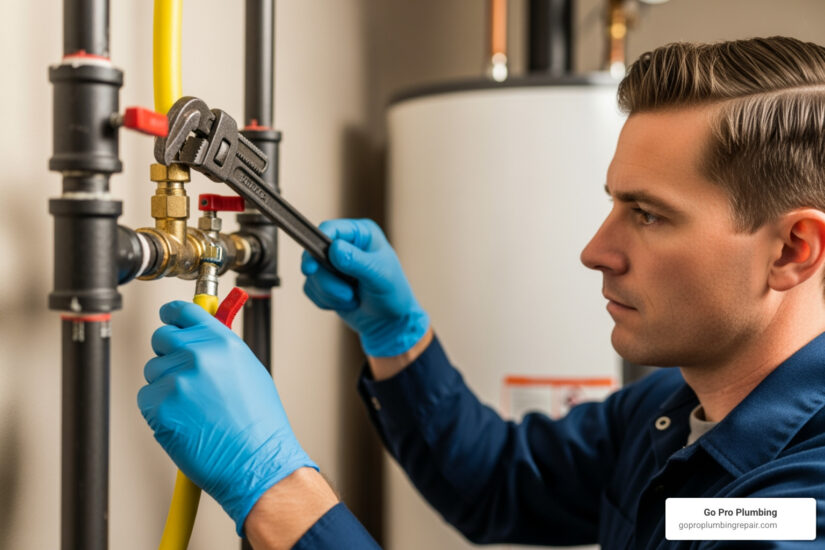
Residential gas line repair is a critical service addressing issues with the pipes carrying natural gas from your meter to appliances like stoves, water heaters, and fireplaces. While essential for your home’s comfort, gas lines can become serious safety hazards if not properly maintained.
Over time, pipes can corrode, connections can loosen, and underground lines can be damaged. A faulty gas line can lead to costly repairs, health risks, or even explosions. Understanding how to spot problems and who to call is crucial for your family’s safety.
This guide will walk you through identifying gas line issues, understanding the repair process, and choosing a qualified professional to keep your home safe.
Key Takeaways:
- Signs of a Leak: A rotten egg smell, hissing sounds, or dead vegetation near gas lines.
- Your Responsibility: Homeowners maintain all gas lines from the meter to the appliances.
- When to Call: Immediately if you suspect a leak (evacuate first), for annual inspections, or when installing new gas appliances.
Must-know Residential gas line repair terms:
Step 1: Identifying a Gas Line Problem and Acting Fast
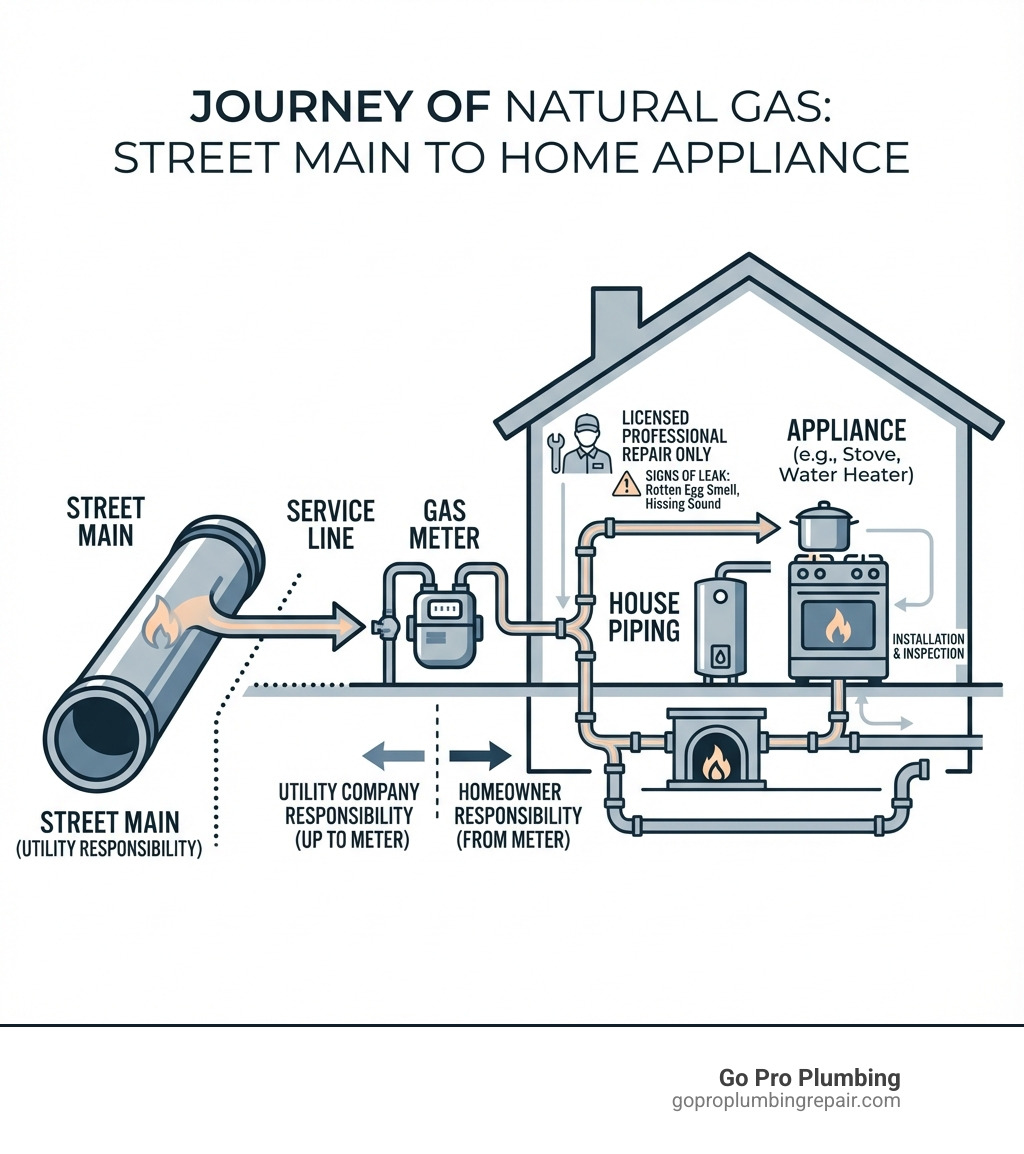
Spotting a gas leak quickly is about safeguarding your home and loved ones. Utility companies add a chemical called mercaptan to natural gas, giving it a distinct “rotten egg” smell so you can detect a leak. If you notice this odor, act immediately.

The Telltale Signs of a Gas Leak
Recognizing the signs of a gas leak is the first step in preventing a dangerous situation. Look out for these common indicators:
- The Rotten Egg or Sulfur Smell: This is the most obvious sign. If you smell it near a gas appliance or line, assume it’s a leak.
- Hissing or Whistling Sounds: An unusual hissing sound from a gas line could indicate gas escaping under pressure.
- Bubbling in Wet Areas: Unexplained bubbling in puddles or wet soil on your property can be a sign of a buried gas line leak.
- Dead or Discolored Vegetation: Gas leaks can kill plants by starving them of oxygen. A patch of dead grass over a buried gas line is a major red flag.
- Damaged Pipe Connections: Visible corrosion, dents, or loose connections on gas pipes are clear warning signs.
- Physical Symptoms: Unexplained dizziness, nausea, headaches, or fatigue in people or pets can be caused by a gas leak. If multiple household members experience these symptoms, it’s a serious warning.
For a more comprehensive understanding, see our Gas Line Leak Detection Complete Guide.
Immediate Safety Protocol: What to Do if You Suspect a Leak
If you suspect a gas leak, your priority is safety. Follow these steps precisely:
- Evacuate Immediately: Get everyone, including pets, out of the house and to a safe distance.
- Do NOT Use Phones or Electronics: Do not use cell phones, landlines, light switches, or any appliance. A tiny spark can trigger an explosion.
- Do NOT Smoke or Use Open Flames: Avoid lighters, matches, or anything that could ignite the gas.
- Do NOT Attempt to Fix the Leak: Leave all repairs to professionals.
- Shut Off Gas ONLY if Safe: If the gas meter’s shut-off valve is easily and safely accessible outside the home, you can turn it off. Do not put yourself at risk.
- Call 911 from a Safe Distance: Once you are away from the house, call 911.
- Call Your Utility Company: After calling 911, report the leak to your natural gas utility.
For urgent situations, we offer Emergency Gas Line Service to residents in Sacramento, Rancho Cordova, and across Northern California.
Understanding the Risks of Damaged Gas Lines
The dangers of a gas leak are severe, which is why professional residential gas line repair is non-negotiable. Key risks include:
- Health Problems: Inhaling natural gas can cause dizziness, nausea, and headaches. In enclosed spaces, it can lead to asphyxiation.
- Explosion and Fire Risk: Natural gas is highly flammable. A leak can accumulate and be ignited by a small spark, causing a devastating explosion or fire.
- Carbon Monoxide Poisoning: While different from natural gas, damaged gas lines can cause appliances to malfunction and produce deadly, odorless carbon monoxide.
Step 2: Navigating the Residential Gas Line Repair Process
Once safety is secured, the next step is understanding the repair process, which starts with knowing who is responsible for the pipes.
Homeowner vs. Utility: Who Is Responsible for the Pipes?
In Northern California, there’s a clear division of responsibility for residential gas line repair:
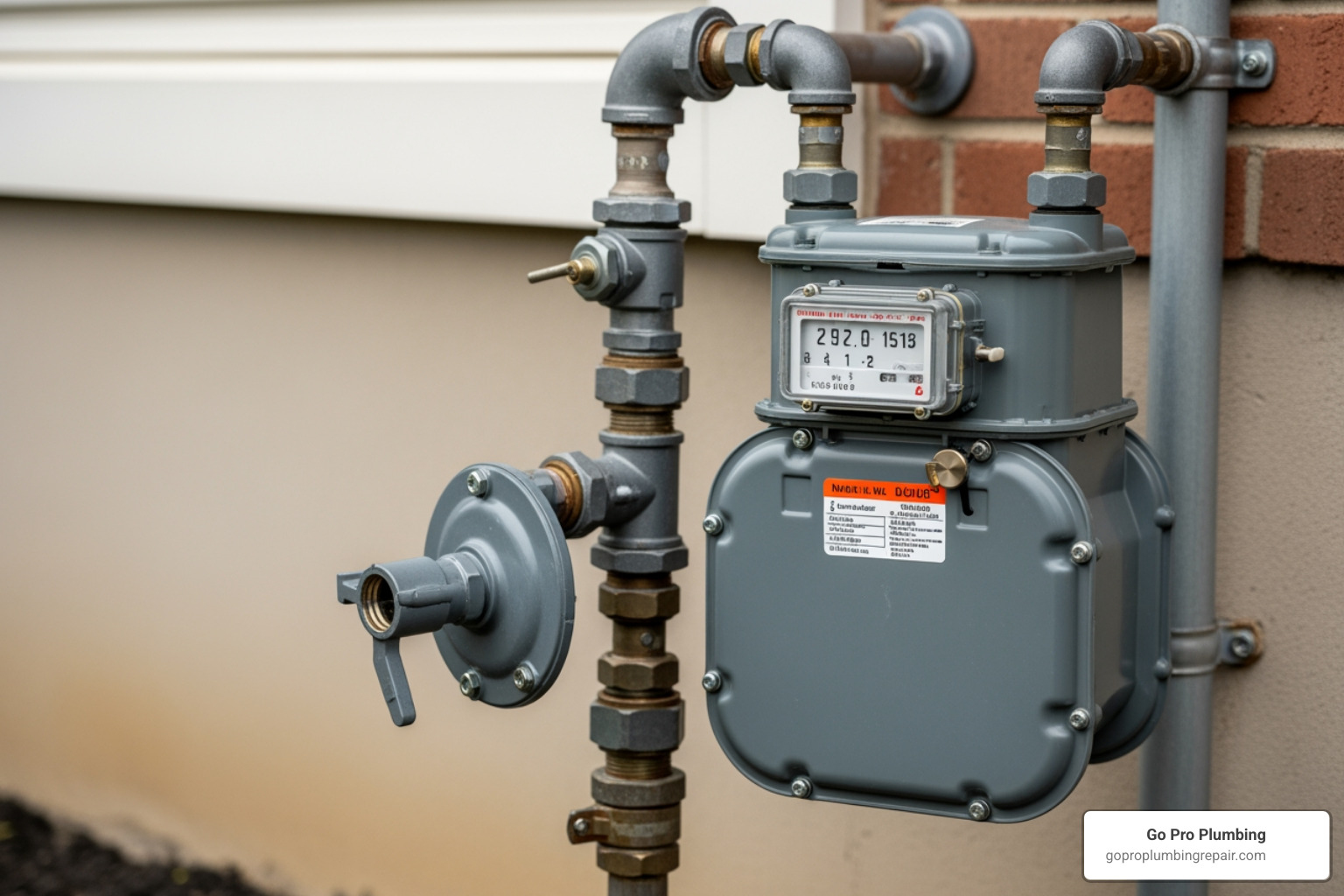
- Utility Company’s Responsibility: The utility (e.g., PG&E) is responsible for the main gas lines under the street and the service line up to and including your gas meter.
- Homeowner’s Responsibility: You are responsible for all gas piping from the gas meter to your appliances. This includes all interior lines and any underground lines on your property leading to outdoor features like grills or pool heaters. These are called “customer-owned piping” and require periodic inspection by a licensed professional.
For any issues on your side of the meter, you’ll need to contact a qualified plumbing professional. We handle all aspects of Gas Plumbing Services Sacramento CA and throughout Northern California.
Common Services for Residential Gas Line Repair
Our goal is to ensure your gas system is safe, efficient, and reliable. Common services include:
- Leak Detection and Repair: We use specialized equipment to pinpoint and perform Gas Line Leak Repair on cracks, loose fittings, or corroded sections.
- Pipe Corrosion Repair: We assess corrosion on pipes and either repair the section or recommend a full Gas Pipe Replacement if the damage is widespread.
- Gas Line Valve Replacement: We perform Gas Line Valve Replacement on stiff or leaking shut-off valves to ensure they operate correctly.
- Appliance Line Hook-ups: We professionally connect new gas stoves, dryers, water heaters, or fireplaces, ensuring the line is properly sized and tested.
- Gas Line Regulator Installation/Replacement: We handle Gas Line Regulator Installation to fix faulty regulators and maintain safe gas pressure.
- Relocation of Gas Lines: During renovations, we can safely reroute gas lines to accommodate new layouts, adhering to all local codes.
The Difference Between Gas Line Repair and New Installation
Understanding the difference between repair and installation helps you communicate your needs to a professional.
- Gas Line Repair: This focuses on fixing existing problems like leaks, damage, or faulty valves within your current gas line system.
- Gas Line Installation: This involves adding new gas lines or extending existing ones for new appliances, home additions, or converting from another fuel source. For more on this, see our page on Getting a Gas Line Installed.
Here’s a quick comparison:
| Feature | Gas Line Repair | Gas Line Installation |
|---|---|---|
| Primary Goal | Fix existing issues (leaks, damage, malfunction) | Add new gas lines or extend existing ones |
| Scope of Work | Specific problem areas, existing infrastructure | New runs of pipe, connections for new appliances |
| Urgency | Often urgent (e.g., leaks) | Often planned (e.g., new appliance, renovation) |
| Permits | May require permits depending on scope | Usually requires permits and inspections |
Step 3: How to Choose a Qualified Gas Line Professional
When it comes to gas lines, safety is paramount. Choosing the right professional for residential gas line repair is a critical decision for your home’s safety, not a job for a handyman or a DIY project.
Why DIY Gas Line Repair Is Never an Option
We cannot stress this enough: do not attempt to repair gas lines yourself. The risks are far too high. Here’s why:
- Explosion and Fire Danger: Improper connections or unsealed leaks can lead to a catastrophic explosion.
- Strict Safety Codes: Gas work is governed by complex codes that only trained professionals understand. A DIY repair can be non-compliant and dangerous.
- Specialized Tools: Repairing gas lines requires specific tools, materials, and testing equipment that homeowners do not have.
- Permit and Insurance Risks: Most gas work requires a permit and inspection. A DIY repair can void your homeowner’s insurance if an accident occurs.
As we often say, “Gas line repair should only be handled by experts to ensure security and code compliance.” While you may wonder, “Can a Plumber Fix a Gas Leak?” the answer is yes, but only a certified plumber specializing in gas lines.
Essential Qualifications for a Gas Fitter
When hiring a professional, ensure they meet these qualifications:
- State Licensing: In California, a C-36 Plumbing Contractor license is required. Always verify it’s current.
- Specialized Certification: Look for professionals with specific training in gas line work, like the Certified Gas Plumber Sacramento CA on our team.
- Liability Insurance: The company must carry comprehensive liability insurance to protect you from accidental damage.
- Extensive Experience: Ask about their specific experience with residential gas line repairs.
- Positive Reputation: Check online reviews and ask for references to gauge their reliability and quality of work.
- Knowledge of Local Codes: A qualified Licensed Gas Fitter will be familiar with the specific codes in your community.
Questions to Ask Before Hiring a Technician
Before committing, ask these key questions to ensure quality and clarify expectations:
- “Are you licensed and insured for gas line work in California?”
- “Can you provide a detailed, written estimate?”
- “What kind of warranty do you offer on your parts and labor?”
- “Will you handle the necessary permits and inspections?”
- “What is the estimated timeline for the repair?”
- “Do you offer 24/7 emergency services for gas leaks?”
- “Can you provide references from recent customers?”
Asking these questions will help you confidently choose a professional to handle your residential gas line repair safely.
Step 4: Managing Costs and Preventing Future Gas Line Issues
Understanding the financial aspect of residential gas line repair is important. While safety is the priority, being informed about costs and prevention can save you money and stress.
Factors Influencing the Cost of Residential Gas Line Repair
The cost of repair in Northern California varies based on several factors:
- Extent of Damage: A minor leak at a fitting is less costly than replacing a long, corroded section of pipe.
- Accessibility of the Line: Lines in basements or crawl spaces are easier and cheaper to repair than those buried underground or hidden behind walls, which require excavation or demolition.
- Pipe Material: The type of pipe (e.g., black iron, CSST) affects the repair method and cost. Repairing older materials like a Repair Copper Gas Line (where still present) may require specialized work or replacement. Our team is experienced with all materials, including Black Pipe Gas Line Installation.
- Length of Pipe Needed: The amount of new pipe and fittings required will impact the material cost.
- Permits and Inspections: The cost of required local permits and inspections is factored into the total price.
- Labor Rates: Costs vary based on job complexity and whether it’s an emergency call outside of normal business hours.
We provide clear, upfront estimates to help you understand all potential costs.
Proactive Gas Line Maintenance to Ensure Long-Term Safety
The best way to manage repair costs is to prevent major issues. Proactive maintenance is key to long-term safety.
- Annual Inspections: Schedule a professional inspection once a year to catch minor leaks, corrosion, or weak connections early. This is a key part of our Gas Line Maintenance service.
- Check for Corrosion: Visually inspect exposed gas lines for rust, especially in areas exposed to moisture.
- Call 811 Before You Dig: This is a free and essential service. Before any digging project, call 811 to have underground utility lines, including gas lines, marked on your property to prevent accidental damage.
- Know Your Main Shut-Off Valve: Ensure everyone in your home knows where the main gas shut-off is and how to use it in an emergency.
- Maintain Appliance Venting: Keep all gas appliance vents clear to prevent the buildup of carbon monoxide.
- Monitor Appliance Performance: Changes in how your gas appliances function, like a yellow stove flame instead of blue, can indicate a problem.
Following these steps, as recommended by resources like How to Maintain Your Natural Gas Lines , can minimize the need for unexpected residential gas line repair.
Frequently Asked Questions about Residential Gas Lines
Here are answers to some of the most common questions we hear from Northern California homeowners about their gas lines.
What are the components of my home’s gas system?
Your home’s gas system is a network that delivers gas to your appliances. Key components you own include:
- Main House Shut-Off Valve: Located after the meter, this shuts off gas to the entire home.
- Distribution and Branch Lines: The pipes that run through your home to individual appliances.
- Appliance Shut-Off Valves: A dedicated valve for each gas appliance.
- Drip Legs (Sediment Traps): Short pipes that collect debris and moisture before it enters an appliance.
- Flexible Connectors: Flexible pipes that connect the rigid branch lines to your appliances.
The gas meter and the lines leading to it are owned by the utility company. Understanding these Plumbing Gas Lines helps you know your system.
What are the benefits of using natural gas appliances?
Natural gas is a popular choice for homeowners for several reasons:
- Cost-Effective: It is often more affordable than electricity, leading to lower monthly utility bills.
- High Efficiency: Gas furnaces and water heaters heat air and water quickly and effectively.
- Reliability: Delivered via underground pipelines, natural gas is not susceptible to power outages.
- Versatility: It can power a wide range of appliances, from stoves and dryers to fireplaces and outdoor grills.
- Environmental Benefits: As a cleaner-burning fossil fuel compared to coal or oil, it produces fewer emissions.
How long do residential gas lines typically last?
The lifespan of residential gas lines depends on the material, installation quality, and environment.
- Black Iron Pipe: This durable material can last 50-75 years or more but is susceptible to corrosion if exposed to moisture.
- CSST (Corrugated Stainless Steel Tubing): This flexible piping is durable and has an expected lifespan of 30-50 years. Proper installation is critical for its safety and longevity.
- Galvanized Pipe: Found in some older homes, this material is no longer used for gas lines due to flaking risks and should be considered for replacement.
Regardless of the material, regular professional inspections are crucial to identify signs of aging or damage and ensure continued safety.
Conclusion
Navigating residential gas line repair is manageable with the right knowledge and a trusted professional. By recognizing the signs of a leak, taking immediate safety precautions, and understanding the importance of hiring a certified expert, you can protect your home and family. Proactive maintenance like annual inspections is the best way to prevent emergencies and costly repairs.
The comfort and safety of your Northern California home are paramount. At Go Pro Plumbing, we are committed to providing outstanding, same-day service for all your gas line needs in Sacramento, Rancho Cordova, and the surrounding areas.
For expert residential gas line repair services you can trust, Contact us for expert gas line repair services in Northern California today. We’re here to ensure your comfort, safely.