
An Essential Guide to Slab Leak Repair
By Brian on January 27, 2026
The Hidden Threat Beneath Your Northern California Home
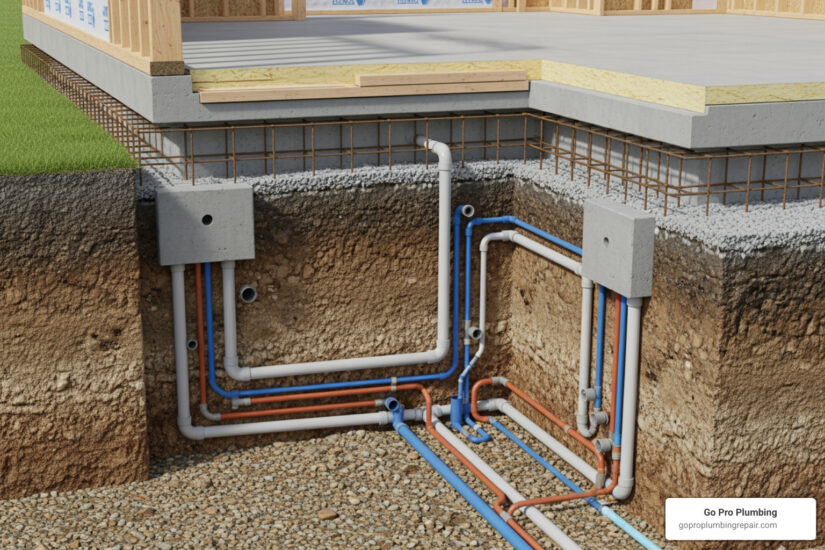
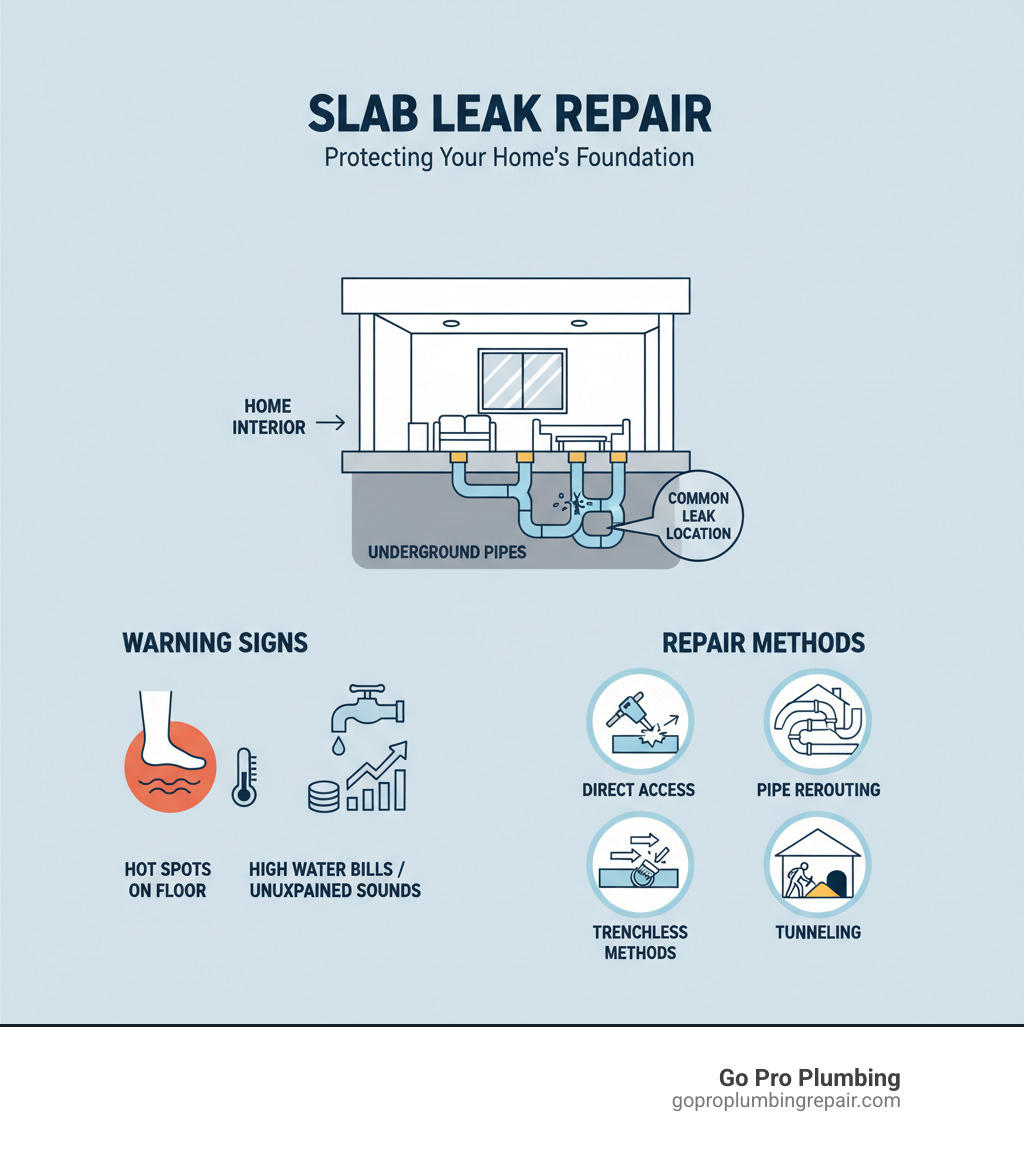
Slab leak repair is the process of fixing water leaks in pipes located beneath your home’s concrete foundation. These hidden leaks can cause serious structural damage, promote mold growth, and lead to costly water bills if not addressed promptly.
Key facts about slab leak repair:
- Average cost: $2,300 (ranging from $630 to $4,400+)
- Repair time: 1 to 3 days for most methods
- Main repair options: Direct access, pipe rerouting, trenchless methods, or tunneling
- Detection cost: $150 to $600
- Insurance: Often covers resulting water damage, but not always the pipe repair itself.
For homeowners in Northern California, this issue is particularly relevant. Over 63% of new single-family homes are built on slab foundations, and the EPA estimates that household leaks waste nearly 1 trillion gallons of water annually nationwide.
A slab leak can erode the soil supporting your foundation, crack walls and floors, and compromise your home’s structural integrity. Fortunately, modern repair methods range from traditional spot repairs to innovative trenchless solutions that minimize disruption.
The key is early detection and choosing the right repair method. Sounds of running water, warm spots on the floor, or a sudden spike in your water bill are all signs that require immediate action to prevent thousands of dollars in damage.
What is a Slab Leak and Why Is It a Major Problem?
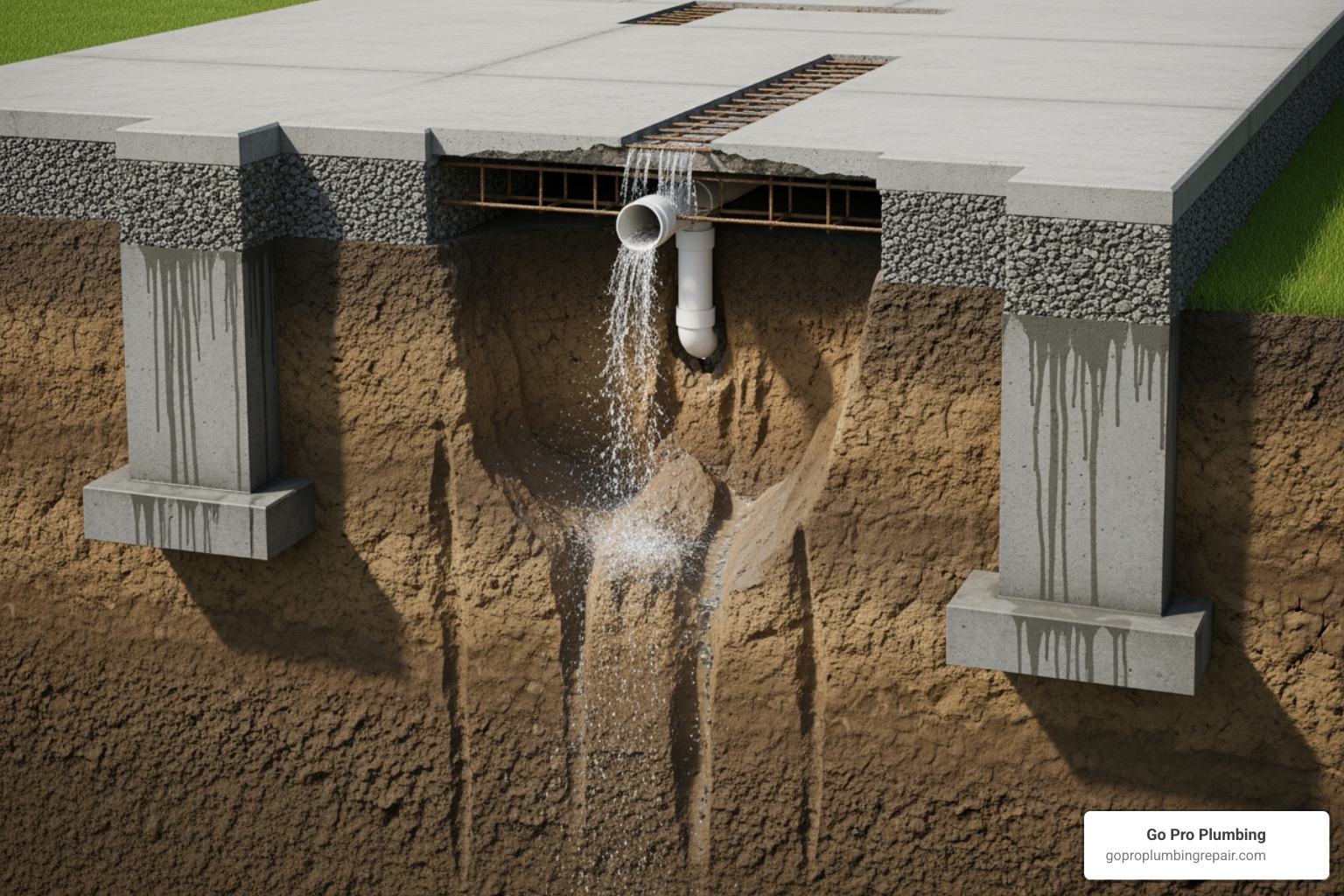
A slab leak occurs when a water pipe breaks or cracks beneath your home’s concrete foundation. Because the leak is hidden, it can cause extensive damage before it’s ever noticed.
For Northern California homeowners, this is a serious threat. The concrete slab is your home’s structural foundation. Escaping water erodes the soil supporting it, which can cause the foundation to shift, crack, or settle unevenly. The water can also seep upwards, damaging flooring, encouraging mold growth, and causing a dramatic increase in your water bill. Since these leaks are out of sight, they have ample time to compromise your home’s structural integrity.
Common Causes of Slab Leaks
Slab leaks are typically caused by one of the following issues:
- Pipe Corrosion: Especially in older homes with copper or galvanized steel pipes, water chemistry and soil conditions can eat away at the metal, causing pinhole leaks.
- Aging Pipes: Plumbing systems in homes 25 years or older are more prone to natural material breakdown, leading to cracks and brittleness.
- High Water Pressure: Pressure consistently above 75 psi puts excessive stress on pipes, leading to failures.
- Abrasion: Pipes expand and contract with temperature changes. If they rub against concrete or rocks, the friction can wear them thin over time.
- Improper Installation: Pipes that were bent, kinked, or improperly supported during construction are weak points waiting to fail.
- Shifting Soil & Seismic Activity: Common in Northern California, even minor ground shifts from soil moisture changes or tremors can stress and break pipes.
- Water Chemistry: The specific pH and mineral content of local water can accelerate corrosion in certain types of pipes.
The Risks of Delaying Repairs
Ignoring a slab leak is a costly mistake. The longer you wait, the worse the consequences become:
- Progressive Foundation Damage: Soil erosion leads to an unstable foundation, causing cracks in walls, unlevel floors, and doors that no longer close properly.
- Skyrocketing Water Bills: A hidden leak runs 24/7, wasting thousands of gallons of water and costing you money.
- Mold and Mildew: Constant moisture creates a perfect breeding ground for mold, which poses health risks and causes property damage.
- Flooring and Wall Damage: Water seeps into flooring, causing hardwood to warp, carpet to mildew, and tiles to loosen. It can also wick up into drywall, causing it to bubble and weaken.
- Structural Instability: In severe cases, erosion can compromise the entire structure, requiring expensive foundation leveling on top of plumbing repairs. You may need Emergency Plumbing Leak Repair to prevent catastrophic failure.
Warning Signs and Professional Slab Leak Detection
Slab leaks are hidden, but they provide clues that something is wrong. Recognizing these warning signs early can save you from extensive damage and costly repairs.

- Unexplained High Water Bills: A sudden spike in your bill without a change in usage is a primary red flag.
- Sound of Running Water: A faint hissing or rushing sound when all faucets and appliances are off often indicates a hidden leak.
- Hot Spots on Your Floor: A warm patch on the floor is a strong indicator of a Hot Water Slab Leak, as heat transfers from the leaking pipe through the concrete.
- Low Water Pressure: A noticeable drop in water pressure throughout your home can mean water is escaping from a leak.
- Visible Cracks: New cracks in walls, ceilings, or the foundation itself can be caused by the slab shifting due to soil erosion.
- Dampness or Musty Odors: Damp carpets, warped flooring, or a persistent mildew smell are signs of moisture seeping up from below.
- Lush Patches in Yard: An unusually green spot in your lawn could be fed by a leaking underground pipe.
How Professionals Pinpoint a Leak
Once a slab leak is suspected, professional detection is crucial to avoid unnecessary demolition. At Go Pro Plumbing, we use advanced Underground Leak Detection technology to accurately locate the problem.
- Acoustic Detectors: These sensitive electronic devices amplify the sound of water escaping from a pipe, allowing us to hear it through the concrete.
- Thermal Imaging Cameras: For hot water leaks, these cameras reveal temperature differences on the floor’s surface, creating a heat map that pinpoints the leak’s path.
- Video Pipe Inspection: A small, waterproof camera is inserted into the plumbing to visually inspect for cracks, corrosion, or breaks from the inside.
- Pressure Testing: We isolate sections of your plumbing and apply pressure. A drop in pressure indicates a leak within that specific line.
- Tracer Gas: A harmless gas is introduced into the pipe. It escapes at the leak point and rises through the slab, where a sensitive detector on the surface can pinpoint its exact location.
These non-invasive methods ensure we find the leak with maximum precision and minimal disruption. The detection process typically costs between $150 and $600 and is a vital investment to ensure the repair is done correctly the first time. For more details, see our guide on How to Detect a Water Leak Under a Slab Foundation.
Comparing Your Slab Leak Repair Options
After pinpointing the leak, the next step is choosing the best repair method. The right approach depends on the leak’s location, the condition of your plumbing, and your budget. We offer a range of solutions, from traditional repairs to modern trenchless options, to restore your plumbing with minimal disruption.
Method 1: Direct Access (Spot Repair)
This traditional method involves breaking through the concrete slab with a jackhammer to directly access and repair the damaged section of pipe. After the repair, the concrete and flooring are patched.
- Best For: A single, isolated leak in an otherwise healthy plumbing system that is relatively easy to access.
- Pros: It is a direct and often cost-effective fix for a specific problem.
- Cons: It is destructive, messy, and requires replacing the affected flooring. It can be risky with post-tension slabs, as cutting reinforcement cables can compromise structural integrity.
Method 2: Pipe Rerouting or Repiping
Instead of fixing the pipe under the slab, we bypass the leaking section entirely. New pipes are installed through more accessible areas like walls, ceilings, or the attic, abandoning the old, problematic line.
- Best For: Homes with aging plumbing systems prone to future leaks, or when direct access is too difficult or costly.
- Pros: It permanently eliminates the risk of future slab leaks in that line and is less invasive to your floors.
- Cons: It can be complex depending on the home’s layout and requires opening walls or ceilings, which then need to be patched.
Method 3: Trenchless Slab Leak Repair Methods
Trenchless methods fix pipes from the inside out, avoiding major demolition. These are innovative, minimally invasive solutions.
- Pipe Lining: An epoxy resin is inserted into the damaged pipe, creating a new, seamless pipe within the old one. It’s fast (often done in a day), minimally invasive, and can extend the pipe’s life by up to 50 years. However, it may slightly reduce the pipe’s diameter and isn’t suitable for collapsed pipes.
- Pipe Bursting: A new, durable HDPE pipe is pulled through the old one, fracturing the old pipe outward while simultaneously replacing it. This provides a brand-new pipe and can even increase flow capacity. It requires small entry and exit pits and is more invasive than lining but far less than traditional excavation.
For more on these modern solutions, visit our Slab Leak Repair page.
Method 4: Under-Slab Tunneling
To preserve pristine interior flooring, we can dig a tunnel from outside your home, extending it under the foundation to the leak’s location. The repair is then made from below.
- Best For: Leaks located deep under the home, especially when preserving valuable interior flooring is the top priority.
- Pros: Your home’s interior remains completely untouched. It allows for the replacement of larger sections of pipe.
- Cons: It is labor-intensive and can be more expensive than other methods. It requires careful backfilling to ensure foundation stability.
Understanding the Costs and Logistics of Slab Leak Repair
The cost of slab leak repair varies based on the leak’s location, severity, and the chosen repair method. On average, homeowners can expect to pay around $2,300, with a typical range of $630 to $4,400 or more for complex jobs.
Here is a breakdown of potential costs:
- Leak Detection: $150 – $600. This is a necessary first step to accurately locate the leak without needless demolition.
- Plumbing Repair: $500 – $4,000. This depends on the method used. A main waterline repair might cost $300 to $1,400. For more on this, see our Water Line Repair Sacramento CA services.
- Pipe Rerouting: $1,500 – $15,000. This higher cost reflects the installation of an entirely new plumbing line, preventing future issues.
- Labor: Licensed plumbers typically charge between $45 and $200 per hour.
Secondary damage can add to the total cost:
- Foundation Repair: $2,000 – $7,500 if the leak has caused structural settling. Our Foundation Water Leak Repair page has more details.
- Water Damage Restoration: $450 – $15,000 to replace flooring, drywall, and mitigate mold.
We provide detailed, upfront estimates to ensure you understand all costs involved.
How Long Does a Typical Slab Leak Repair Take?
Most slab leak repairs are completed in one to three days. The timeline depends on:
- Repair Method: Trenchless methods are often the fastest (as little as one day), while tunneling and direct access repairs take longer due to excavation and restoration.
- Leak Severity and Location: A single, accessible leak is quicker to fix than multiple or hard-to-reach leaks.
- Restoration Work: The time needed to repair floors, walls, and other water-damaged areas will extend the overall project timeline.
We prioritize efficiency and clear communication, offering same-day service to begin your repair as quickly as possible.
Will Homeowner’s Insurance Cover the Cost?
Insurance coverage for slab leaks can be complicated. Generally, most homeowner’s policies cover the resulting water damage from a sudden, accidental leak (e.g., damaged floors, walls). However, many policies exclude the cost of repairing the pipe itself, viewing it as a maintenance issue, especially if it’s due to age or gradual corrosion.
Your coverage depends on your specific policy. Our advice is to:
- Call your insurance agent immediately to understand your coverage.
- Document everything. Keep all inspection reports, photos, and detailed invoices from us to support your claim.
We provide all necessary documentation to help you maximize your insurance claim. Understanding your policy’s stance on Foundation Water Leak Repair is also crucial.
Frequently Asked Questions about Slab Leaks
Can I perform a DIY slab leak repair?
No. Slab leak repair is a complex job that should be left to professionals. A DIY attempt risks causing far more damage. Without specialized equipment like acoustic detectors and thermal cameras, you’re just guessing where to break ground. You could easily damage other utility lines or, in the case of a post-tension slab, compromise your home’s structural integrity by cutting a tension cable.
Professionals like our team at Slab Leak Plumbers Rancho Cordova CA have the tools, training, and insurance to perform the job safely and correctly, ultimately saving you money and stress.
How can I prevent slab leaks in the future?
While not all leaks are preventable, you can take steps to reduce your risk:
- Schedule Annual Plumbing Inspections: A professional can spot early signs of corrosion or high pressure before they cause a failure.
- Regulate Water Pressure: Keep your home’s water pressure between 50 and 75 psi. A pressure regulator can be installed if it’s too high.
- Avoid Chemical Drain Cleaners: Harsh chemicals corrode pipes over time. Use enzymatic cleaners or call a professional for clogs.
- Install a Water Softener: If you have hard water, a softener can reduce mineral buildup that accelerates pipe corrosion.
- Monitor Your Water Bill: An unexplained spike is your earliest warning sign of a hidden leak.
What are the long-term implications of different repair methods?
The longevity of your repair depends on the method chosen:
- Spot Repair: This fixes the immediate problem but doesn’t address the condition of the rest of the pipe. If your plumbing is old, another leak could appear elsewhere.
- Pipe Rerouting: This offers excellent long-term security for the rerouted line, as it eliminates the risk of another slab leak in that section and makes future access easier.
- Pipe Lining: Epoxy lining creates a durable, corrosion-resistant pipe-within-a-pipe that can last up to 50 years, addressing deterioration along an entire section.
- Pipe Bursting: This provides a brand-new, corrosion-resistant HDPE pipe that can last 50 to 100 years, offering a permanent solution.
- Under-Slab Tunneling: The longevity is high, as it allows for the replacement of large sections of failing pipe with new, durable materials.
Regardless of the method, the quality of materials and workmanship is paramount. We use top-grade materials and stand behind our work to ensure a lasting repair.
Conclusion
A slab leak is a serious problem that will not fix itself. What starts as a minor issue can quickly escalate into severe foundation damage, mold, and expensive repairs. The most critical factor in mitigating damage is how quickly you act.
We’ve covered the causes, warning signs, and modern repair methods for slab leak repair, from direct access and pipe rerouting to advanced trenchless and tunneling solutions. These technologies allow professionals to fix the problem efficiently and with minimal disruption. However, this is not a DIY job. The specialized equipment and expertise required to safely access and repair pipes beneath a foundation demand a licensed professional.
At Go Pro Plumbing, we are committed to outstanding customer service and providing same-day service for urgent issues. Our expert team serves homeowners across Rancho Cordova, Sacramento, and Northern California, equipped to handle any slab leak with precision and care. We will explain your options clearly and work efficiently to protect your home.
Don’t let a hidden leak compromise your biggest investment. If you notice any warning signs, it’s time to call for professional help.
Contact us for expert slab leak services today and get the peace of mind that comes with a quality repair.