
The Secret to Speedy Showers: Hot Water Recirculation Pumps Explained
By Brian on February 27, 2026
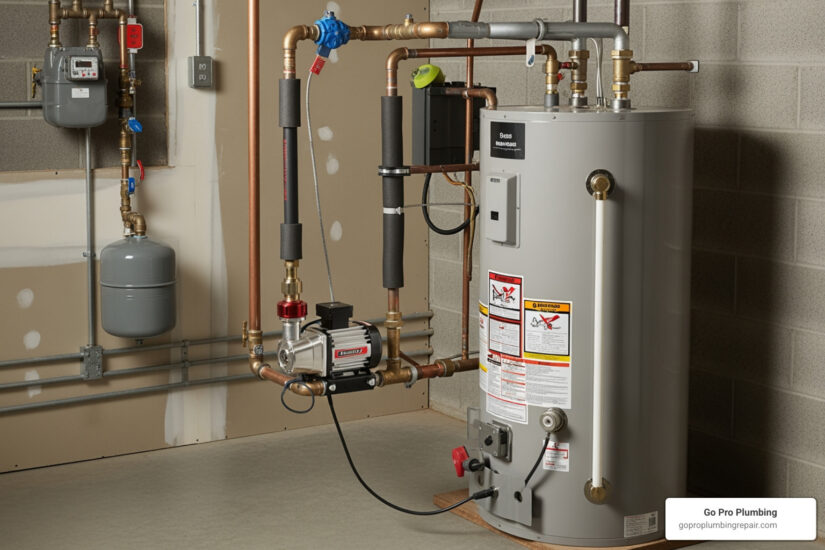
The Frustrating Wait for Hot Water
A hot water heater recirculation pump is a device that creates a continuous loop in your plumbing system, circulating hot water back to your water heater instead of letting it cool in the pipes. This means you get instant hot water at every faucet without wasting water down the drain while waiting for it to heat up.
How It Works:
- A pump moves hot water through your pipes in a continuous or on-demand loop
- Cooled water returns to the water heater for reheating instead of sitting in pipes
- A sensor or timer activates the pump only when needed
- Hot water arrives at your tap in seconds instead of minutes
Have you ever stood at the sink, watching perfectly good water swirl down the drain while you wait for it to warm up? The average homeowner waits approximately two minutes for hot water to arrive at their fixtures. That might not sound like much, but it adds up fast.
According to research from the U.S. Department of Energy, between 400 billion and 1.3 trillion gallons of water are wasted nationally by households each year just waiting for water to heat up. That’s enough to fill close to 2 million Olympic-sized swimming pools.
And it’s not just about water. Your municipality uses 800 to 1,600 kilowatt-hours per year to treat and pump the water that ends up wasted while you wait for your shower to warm up.
The good news? There’s a simple solution that can save your household up to 12,000 gallons of water annually while giving you instant hot water at every tap. That’s enough to fill 150 bathtubs per year for the average three-person home.
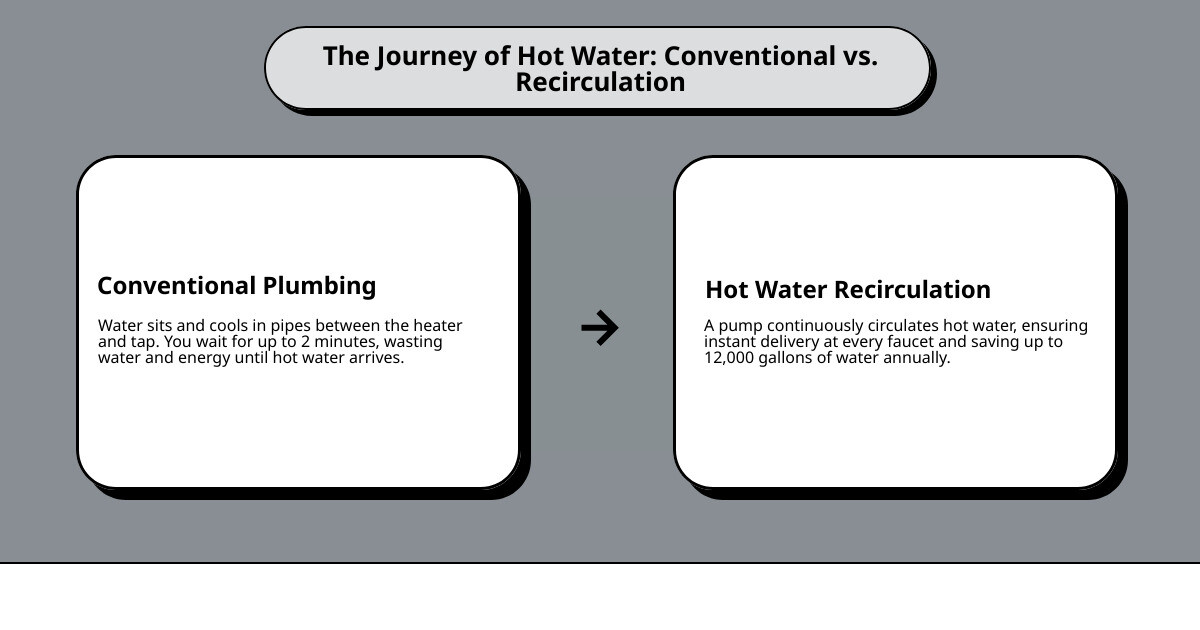
What is a Hot Water Recirculating System and How Does It Work?
Imagine turning on your shower and feeling warm water instantly, every single time. No more chilly surprises or impatiently waiting for the pipes to warm up. That’s the magic of a hot water heater recirculation pump. This ingenious system is designed to eliminate the frustrating “cold water purge” that happens when you open a hot water tap far from your water heater.
In a conventional plumbing setup, hot water travels directly from your water heater to your faucet. The water sitting in the pipes between the heater and the tap cools down over time. When you turn on the hot water, this cooled water has to be pushed out and down the drain before the fresh, hot water from the heater can reach you. A hot water recirculating system, however, creates a dedicated plumbing loop or uses existing cold water lines to continuously or on-demand circulate hot water throughout your home. This way, hot water is always near your fixtures, ready for immediate use.
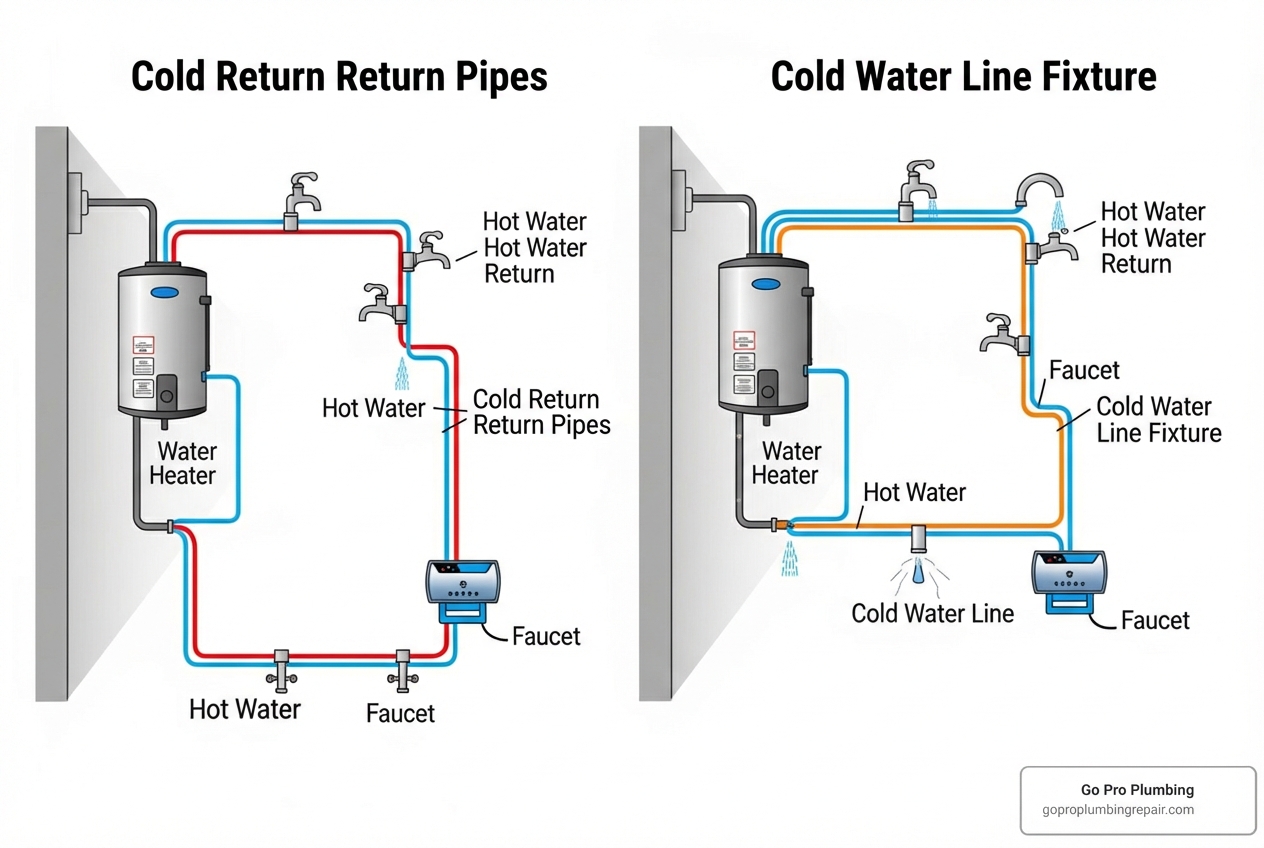
This system works by ensuring that hot water is always readily available at your fixtures, preventing the need to run the tap and waste water while waiting for it to heat up. When activated, the pump moves cooled water from the hot water lines back to the water heater to be reheated, rather than letting it go down the drain. This process saves both water and energy. The team at Go Pro Plumbing understands that our customers in Rancho Cordova and Sacramento, CA value efficiency and comfort, and these systems deliver on both fronts. To learn more about how on-demand systems work, you can explore resources like How On Demand Recirculation Works.
The Basic Principle: Creating a Loop
At its core, a hot water heater recirculation pump system creates a continuous loop. Instead of hot water sitting stagnant in your pipes and cooling down, the pump keeps it moving. When water cools below a certain temperature in the hot water line, the pump activates, drawing that cooled water back to the water heater for reheating. This ensures that a supply of hot water is always close to your faucets and showers.
There are a couple of ways this loop can be established:
- Dedicated Return Line: In newer homes, or during major renovations, a separate, dedicated return line can be installed. This line runs from the furthest fixture back to the water heater, forming a complete circuit for the hot water to circulate.
- Integrated Loop (Crossover Valve): For existing homes without a dedicated return line, a bypass or crossover valve system can be used. This clever setup uses the cold water line as the return path. When the pump is active, it pushes cooled hot water into the cold water line, sending it back to the water heater.
Key Components of the System
To understand how these systems deliver instant hot water, let’s look at their main parts:
- The Pump: This is the heart of the system. The pump is typically a small, energy-efficient unit that moves the water through the recirculation loop. It can be installed near the water heater or under the furthest fixture, depending on the system type.
- Timers: Many systems incorporate timers, allowing you to program when the pump operates. This is great for saving energy, as you can set it to run during peak hot water usage times (like morning showers or evening dishwashing) and remain off when you’re asleep or away.
- Thermostats/Temperature Sensors: These components monitor the water temperature in the hot water line. When the temperature drops below a set point (e.g., 85°F-95°F), the thermostat signals the pump to turn on and circulate warmer water. Once the desired temperature is reached, the pump turns off.
- Motion Sensors or Push Buttons: For on-demand systems, activation can be even more precise. A motion sensor in a bathroom or kitchen can detect your presence and activate the pump, or a simple push-button can be used to request hot water only when you need it.
- Bypass or Sensor Valves: These are crucial for systems that don’t have a dedicated return line. They are installed under the furthest fixture and allow cooled hot water to enter the cold water line to return to the water heater, while preventing hot water from continuously flowing into the cold line. A check valve is often part of this assembly to prevent cold water from flowing into the hot water line.
Together, these components work in harmony to bring you the comfort and convenience of instant hot water, right when you need it.
Types of Hot Water Recirculation Systems
When considering a hot water heater recirculation pump for your home, it’s helpful to understand that there isn’t a one-size-fits-all solution. Different types of systems cater to various home plumbing configurations, budgets, and energy-saving goals. We’ve seen them all, from basic models to advanced smart systems, serving our customers across Northern California.
Here’s a comparison of the main types:
| Feature | Traditional Full-Loop (Dedicated Return) | Instant/Comfort (Crossover Valve) | On-Demand (User-Activated) |
|---|---|---|---|
| Cost (System) | Higher (requires extra plumbing) | Moderate ($200-$400+) | Moderate ($200-$400+) |
| Energy Use | Moderate to High (continuous/timer) | Low to Moderate (timer-based) | Very Low (only when activated) |
| Installation | Complex (new construction/major reno) | Easier (retrofit, under-sink) | Moderate (wiring for sensors/buttons) |
| Best Use Case | New builds, extensive renovations | Existing homes without return lines | Maximum energy savings, precise control |
| Cold Water Impact | None | Can temporarily warm cold water line | Can temporarily warm cold water line |
The energy consumption implications of these systems vary significantly. Continuous recirculation, while providing immediate hot water at all times, can lead to higher energy use due to the pump running frequently and heat loss from the pipes. In fact, continuous pumping can use 400 to 800 KWH a year for a modest pump. This is why intermittent operation, controlled by timers, thermostats, or on-demand activation, is often preferred for energy efficiency.
Traditional Full-Loop Systems
Traditional recirculating systems are the gold standard, particularly for new home construction or when undertaking a major plumbing renovation. These systems feature a dedicated return line that runs alongside your hot water supply pipes, creating a complete loop back to the water heater. The pump is typically mounted on the cooler side of the water heater, continuously moving water through this loop.
Because hot water is constantly circulating through this dedicated line, you get instant hot water at every fixture with virtually no wait. To manage energy use, these systems often incorporate:
- Timer-based operation: The pump runs only during specific hours when hot water is most likely to be needed (e.g., mornings and evenings).
- Thermostat control: The pump can be set to activate only when the water temperature in the loop drops below a certain point, ensuring efficiency.
While the initial installation cost for a dedicated return line can be higher due to the extra plumbing required, it offers the most consistent and efficient delivery of instant hot water without impacting your cold water supply.
Instant or “Comfort” Systems (No Dedicated Return Line)
For many homeowners in existing properties, installing a dedicated return line isn’t a practical or cost-effective option. That’s where instant or “comfort” systems come in, offering a fantastic retrofit solution. These systems cleverly use your existing cold water line as the return path for cooled hot water.
A small pump is typically installed under the sink at the fixture furthest from the water heater, along with a crossover valve. When activated (often by a timer or temperature sensor), the pump pushes the cooled hot water from the hot water line into the cold water line, sending it back to the water heater to be reheated. Once hot water reaches the fixture, the pump shuts off.
One potential consideration with this type of system is that it can temporarily introduce warm water into the cold water line near the bypass valve. While generally not a major issue, it’s something to be aware of. Despite this, it’s an excellent way to get demand hot water recirculating systems without extensive plumbing work. You can find more information about these types of systems on the Energy Star website.
On-Demand Recirculating Systems
On-demand systems represent the pinnacle of energy efficiency for hot water recirculation. Unlike traditional or even timer-based instant systems that might run periodically, on-demand systems only activate when you explicitly request hot water. This means the pump runs for the absolute minimum amount of time necessary, saving significant energy and extending the pump’s lifespan.
Activation options for on-demand systems are diverse and convenient:
- Push-button: A simple button installed near a fixture. You press it a minute or two before you need hot water, and the system cycles hot water to that point.
- Motion sensor: Ideal for bathrooms or kitchens, these sensors detect your presence and preemptively activate the pump, so hot water is ready when you turn on the tap.
- Smart controls: Some advanced systems can be integrated with smart home platforms, allowing for app control, scheduling, or even learning your habits.
The beauty of on-demand systems is their precision. They provide instant hot water with minimal pump runtime – often less than 15 minutes per day total. This can achieve upwards of 10,000 gallons of water savings per year at a cost of less than $2.00 in energy to operate annually. It’s a smart choice for maximum energy savings and precise control over your hot water delivery.
The Core Benefits of a Hot Water Heater Recirculation Pump
Installing a hot water heater recirculation pump isn’t just about convenience; it’s a smart investment that brings a cascade of benefits to your home and even the environment. From our experience serving homeowners in Sacramento and Rancho Cordova, we know that these systems truly improve daily living.

Save Water, Time, and the Environment
Let’s face it, nobody enjoys watching precious water go down the drain while waiting for it to heat up. With a recirculation pump, that wasteful practice becomes a thing of the past.
- Reduced Water Waste: This is perhaps the most obvious benefit. By circulating cooled water back to the water heater instead of letting it run, you dramatically reduce the amount of water wasted. Homeowners can save up to 12,000 gallons annually, which for an average three-person home, is enough water to fill 150 bathtubs per year!
- Time Savings: Imagine shaving two minutes off your morning routine. With instant hot water, you no longer have to wait impatiently by the faucet or shower. Your day starts smoother and more efficiently.
- Conservation Impact: The environmental benefits are significant. Considering that between 400 billion and 1.3 trillion gallons of water are wasted nationally each year just waiting for hot water, adopting these systems contributes directly to water conservation efforts, especially important in regions like Northern California where water resources are carefully managed. It also reduces the energy used to treat and pump that wasted water to homes.
How a hot water heater recirculation pump saves you money
Beyond the comfort, these systems are also kind to your wallet in the long run.
- Lower Water Bills: By significantly reducing water waste, you’ll see a noticeable decrease in your monthly water utility bills. Less water down the drain means less money out of your pocket.
- Reduced Energy for Water Treatment: It’s not just your home saving water; the entire municipal system saves energy. Less water wasted at the tap means less water needs to be treated and pumped to your household, which translates to a collective energy saving that can impact utility costs indirectly.
- Potential Rebates: Many local utilities and government programs offer rebates or incentives for installing energy-efficient and water-saving devices like hot water recirculation systems. We always recommend checking with your local energy provider or municipality in the Sacramento and Rancho Cordova areas to see if you qualify for any such programs. These incentives can significantly offset the initial cost.
- Long-Term Savings vs. Upfront Cost: While there’s an initial investment, the continuous savings on water and energy bills, coupled with potential rebates, make a recirculation pump a financially sound decision over its lifespan.
Choosing and Installing Your System: What to Consider
Deciding to install a hot water heater recirculation pump is a great step towards comfort and efficiency. However, choosing the right system and ensuring proper installation requires a bit of thought. Our team at Go Pro Plumbing is here to guide you through this process, ensuring you get the perfect fit for your Northern California home.
Choosing the right hot water heater recirculation pump for your home
The “best” system isn’t universal; it depends on your specific needs and home characteristics:
- Pump Sizing: The size of your home and the length of your plumbing pipes are crucial. Manufacturers often provide guidelines based on square footage and lineal feet of piping. For instance, a pump suitable for homes up to 2,500 sq ft or ~100 ft of piping will differ from one for 5,000 sq ft or ~300 ft of piping. Accurate pump sizing ensures efficient and rapid hot water delivery. For more in-depth guidance on sizing, check out our resource on recirculation pump sizing.
- Plumbing Configuration: Do you have a dedicated return line (common in newer construction) or would you need an instant system that uses the cold water line as a return path? This will largely dictate the type of system you can install.
- Water Heater Type: Recirculation systems are compatible with various water heater types, including traditional tank heaters, tankless water heaters, and even heat pump water heaters. Most modern systems are designed to work seamlessly across these different technologies.
- Activation Options: Consider your lifestyle. Do you want a system that runs on a timer, activates with a push-button, or responds to a motion sensor? On-demand systems offer the greatest energy savings.
- Material: The material of the system components can affect cost and durability. Stainless steel systems are typically more affordable (around $200), while bronze or cast iron systems can cost $400 or more but may offer increased longevity depending on water quality.
Installation Costs and Potential Rebates
The cost of a hot water heater recirculation pump system itself can range between $200 and $400, depending on the materials and features. However, this is just for the unit.
- Professional Installation Fees: While some handy homeowners might consider a DIY approach for simple under-sink systems, professional installation is highly recommended, especially for systems involving dedicated return lines or complex wiring for on-demand controls. Professional installation ensures the system is correctly sized, safely installed, and optimized for efficiency. For a clear understanding of what installation entails, our page on hot water recirculation system installation is a great resource.
- Checking Local Utility Rebates: As a company serving Northern California, we encourage our customers to check with their local utility providers or municipalities. Many offer rebates or incentives for installing water-saving and energy-efficient appliances, including hot water recirculation systems. These programs can significantly reduce your overall investment.
- Overall Investment: When considering the typical cost of a hot water recirculating system and its installation, it’s wise to factor in the long-term savings on water and energy bills, which often outweigh the upfront expense. For detailed information on costs, including installation, our page on recirculation pump installation cost can provide valuable insights.
Frequently Asked Questions about Recirculation Pumps
We get a lot of questions about hot water heater recirculation pumps, and for good reason! It’s a significant upgrade for any home. Here, we’ll address some of the most common inquiries our customers in Rancho Cordova and Sacramento, CA have.
What is the typical lifespan of a hot water recirculating pump?
Generally, a well-maintained hot water heater recirculation pump can last anywhere from 5 to 15 years. The lifespan is influenced by several factors:
- Product Quality: Higher-quality pumps from reputable manufacturers tend to last longer.
- Maintenance: While these systems are relatively low-maintenance, ensuring clean water and addressing any minor issues promptly can extend their life.
- Usage: Pumps that run continuously will naturally experience more wear and tear than those used intermittently or on-demand.
- Water Quality: Hard water can sometimes lead to mineral buildup, which might affect the pump’s efficiency and lifespan over time. Regular inspection by a professional plumber can help identify and mitigate such issues.
Do recirculation pumps work with tankless water heaters?
Yes, absolutely! Hot water heater recirculation pumps are generally compatible with tankless water heaters, and in fact, they can be a fantastic pairing. Tankless water heaters heat water on demand, meaning they don’t store hot water. While this is energy-efficient, it can still take a moment for the heated water to travel from the unit to your faucet, especially if the tankless heater is located far away.
A recirculation pump, particularly an on-demand system, helps bridge this gap:
- Flow Rate Activation: Tankless heaters require a minimum flow rate to activate. Some recirculation pumps are designed to create this flow, pre-heating the line without fully activating the tankless heater until a higher flow is detected at the tap.
- System Requirements: It’s important to check the specifications of both your tankless water heater and the recirculation pump to ensure full compatibility. Some tankless units even come with built-in recirculation capabilities or are designed to integrate seamlessly with external pumps.
Our team can help you determine the best recirculation solution for your specific tankless water heater setup.
Will a recirculation pump make my cold water warm?
This is a common and valid concern, especially for systems that use the cold water line as a return path (the “instant” or “crossover valve” systems). In these setups, for a brief period, as cooled hot water is pushed back into the cold water line to return to the water heater, the cold water at nearby fixtures can feel temporarily warm.
However, this effect is usually:
- Temporary: It only occurs when the pump is actively circulating water. Once the hot water reaches the fixture and the pump shuts off, the cold water line quickly returns to its normal temperature.
- Localized: The warming effect is typically most noticeable at the fixture where the crossover valve is installed and diminishes rapidly in other parts of the home.
- Mitigated by Proper Installation: A properly installed crossover valve system includes a check valve that prevents hot water from continuously flowing into the cold line. The system is designed to stop circulating once hot water is present at the fixture.
Dedicated return line systems, by contrast, have no impact on your cold water supply, as they use a separate loop. If this is a significant concern for you, we can discuss the best system type for your home’s plumbing configuration.
Get Instant Hot Water and Start Saving Today
The days of impatiently waiting for hot water are over. A hot water heater recirculation pump offers a modern, efficient, and surprisingly simple solution to a common household frustration. We’ve seen how these systems transform daily routines for our customers across Northern California, from Rancho Cordova to Sacramento.
The benefits are clear and compelling:
- Significant Water Savings: By eliminating the cold water purge, you can save thousands of gallons of water annually, contributing to conservation efforts and lowering your utility bills.
- Improved Energy Efficiency: Especially with on-demand or timer-controlled systems, you reduce the energy wasted on reheating stagnant water and minimize the energy used to treat and pump wasted water.
- Best Convenience: Instant hot water at every tap means no more waiting, no more waste, and a more comfortable, efficient home experience.
While some systems can be DIY-friendly, professional installation ensures that your system is correctly sized, properly installed, and optimized for maximum efficiency and longevity. Our Go Pro Plumbing experts are intimately familiar with all types of hot water heater recirculation pumps and can help you choose and install the perfect system for your home’s unique needs and plumbing layout.
Ready to experience the luxury of instant hot water and start saving on your utility bills? Don’t let another drop of water go to waste. Contact us for water recirculation pump services today, and let us help you find the secret to speedy showers!