
Siphon Savvy: Fixing Your Toilet’s Constant Run
By Brian on December 30, 2025

Why a Running Toilet Needs Immediate Attention
Toilet siphon repair is one of the most common plumbing fixes homeowners face, and recognizing the problem early can save you hundreds of dollars on your water bill. If you’re hearing that constant trickle of water or finding yourself flushing multiple times to clear the bowl, your toilet’s siphon mechanism likely needs attention.
Quick Answer: Common Signs You Need Toilet Siphon Repair
- Weak or incomplete flush – Bowl doesn’t clear waste properly
- Constantly running water – Continuous sound of water flowing into the bowl
- Multiple flushes required – Need to flush 2-3 times to clear contents
- Gurgling noises – Strange sounds during or after flushing
- Rising water bills – Unexplained increase in monthly costs
Drip, drip, drip. That’s the sound of a running toilet keeping you awake at night—and the sound of your money literally going down the drain. According to plumbing industry data, a faulty toilet siphon can waste hundreds of gallons of water per day, turning a $5 repair part into a costly problem that drives up your utility bills month after month.
The good news? Most toilet siphon issues can be fixed without replacing the entire toilet. Whether you’re dealing with a worn-out flapper, a damaged diaphragm, or mineral buildup blocking water flow, understanding how your toilet’s siphon works is the first step to solving the problem.
In this guide, we’ll walk you through everything you need to know about diagnosing and repairing toilet siphon issues. You’ll learn how to identify the warning signs, understand what’s happening inside your toilet tank, and decide whether to tackle the repair yourself or call in a professional plumber.
Is Your Toilet Siphon Faulty? Key Warning Signs
A toilet siphon is a hardworking component of your toilet. It’s the unsung hero responsible for creating the powerful flush that clears your bowl. When this mechanism starts to fail, it can manifest in several frustrating ways, hinting that it’s time for some toilet siphon repair. Recognizing these signs early can prevent minor inconveniences from becoming major headaches and costly water bills.
Common indicators that your toilet siphon needs attention include:
- Weak or incomplete flushes: This is perhaps the most common and annoying sign. If your toilet can’t clear waste effectively and requires multiple flushes, it’s a strong signal.
- Constantly running water: That incessant trickling sound means water is continuously escaping your tank into the bowl.
- Phantom flushing: The toilet flushes on its own without anyone touching the handle. Spooky, right?
- Gurgling noises: Strange gurgling sounds during or after a flush can point to siphon problems or other plumbing issues.
- Increased water consumption: A direct consequence of a constantly running toilet or one that needs multiple flushes. This will be reflected in your water bill.
A faulty siphon can lead to continuous water running, which significantly increases water bills and wastes a precious resource. Similarly, weak toilet flushes often require multiple flushes, leading to even more water consumption. If you’re experiencing any of these issues, it’s time to investigate. For more detailed troubleshooting on running toilets, check out our guide on How to Fix a Running Toilet.
The Weak or Incomplete Flush
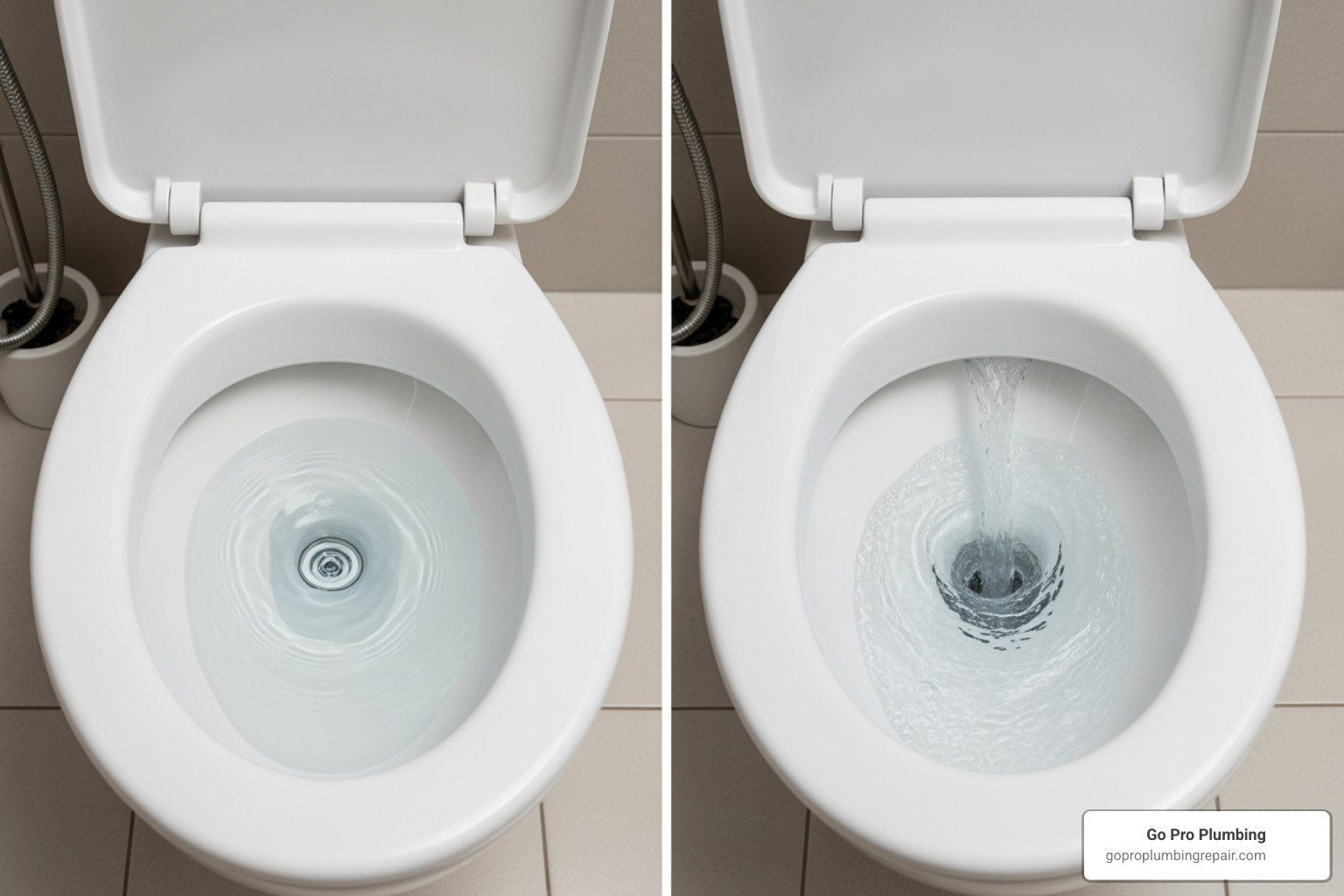
There’s nothing quite as frustrating as a toilet that just won’t flush properly. If you find yourself holding the handle down longer than usual, or worse, needing to flush two or three times to clear the bowl, your siphon is likely struggling.
The most common causes of a weak flush often tie back to the siphon system:
- Low water level in the tank: For a powerful flush, the tank needs to fill to a specific level, usually marked inside. If the water level is too low, there isn’t enough volume or pressure to initiate a strong siphon.
- Worn-out siphon parts: Over time, components within the siphon, such as the flapper or diaphragm, can degrade. A worn-out flapper, for example, might not lift high enough or stay open long enough to release sufficient water.
- Clogged rim jets: The toilet bowl has small holes under its rim that release water during a flush, creating a “washing” action. Mineral buildup (like calcium and lime) and debris (like rust) can restrict and block water flow into the toilet bowl through these rim feed and jet holes, significantly weakening the flush.
- Flapper closing too soon: If the flapper drops back into place too quickly, it cuts off the water supply to the bowl before a full siphon can establish itself. This often happens if the chain connecting the flapper to the flush handle is too short or gets snagged.
Addressing these issues is crucial for restoring your toilet’s flushing power. If your toilet isn’t flushing at all, our article on Toilet Not Flushing provides further insights.
The Constantly Running Toilet
The sound of a toilet constantly refilling, even when it hasn’t been flushed, is not only annoying but also a clear indicator of water waste. This issue often stems from problems within the siphon or fill valve assembly.
Here’s how the siphon relates to a continuously running toilet:
- Worn flapper seal: The flapper is a critical part of the siphon mechanism. It’s a rubber or plastic disc that seals the opening at the bottom of the tank, holding water until you flush. If this seal is worn, cracked, or has mineral deposits, water can slowly leak into the bowl, causing the fill valve to periodically activate to refill the tank. Misaligned or worn flappers are a primary culprit here.
- Damaged siphon diaphragm: Some older siphons use a diaphragm to create the seal. If this diaphragm is damaged or hardened with age, it won’t hold water effectively, leading to continuous running.
- Incorrect water level/faulty fill valve: If the fill valve doesn’t shut off completely when the tank is full, excess water will flow into the overflow tube and down into the bowl. This is often due to a faulty fill valve or an incorrect water level setting.
- Refill tube issues: Sometimes, the refill tube (a small tube that directs water into the overflow pipe to refill the bowl) can be positioned too low, creating a siphon effect that continuously drains water from the tank. The refill tube must always be kept above the water level to prevent this siphoning.
If you’re dealing with this problem, our guide on Running Toilet Repair can provide more immediate solutions. A continuously running toilet is not just an annoyance; it’s actively driving up your water bill.
Understanding Your Toilet’s Flushing Mechanism
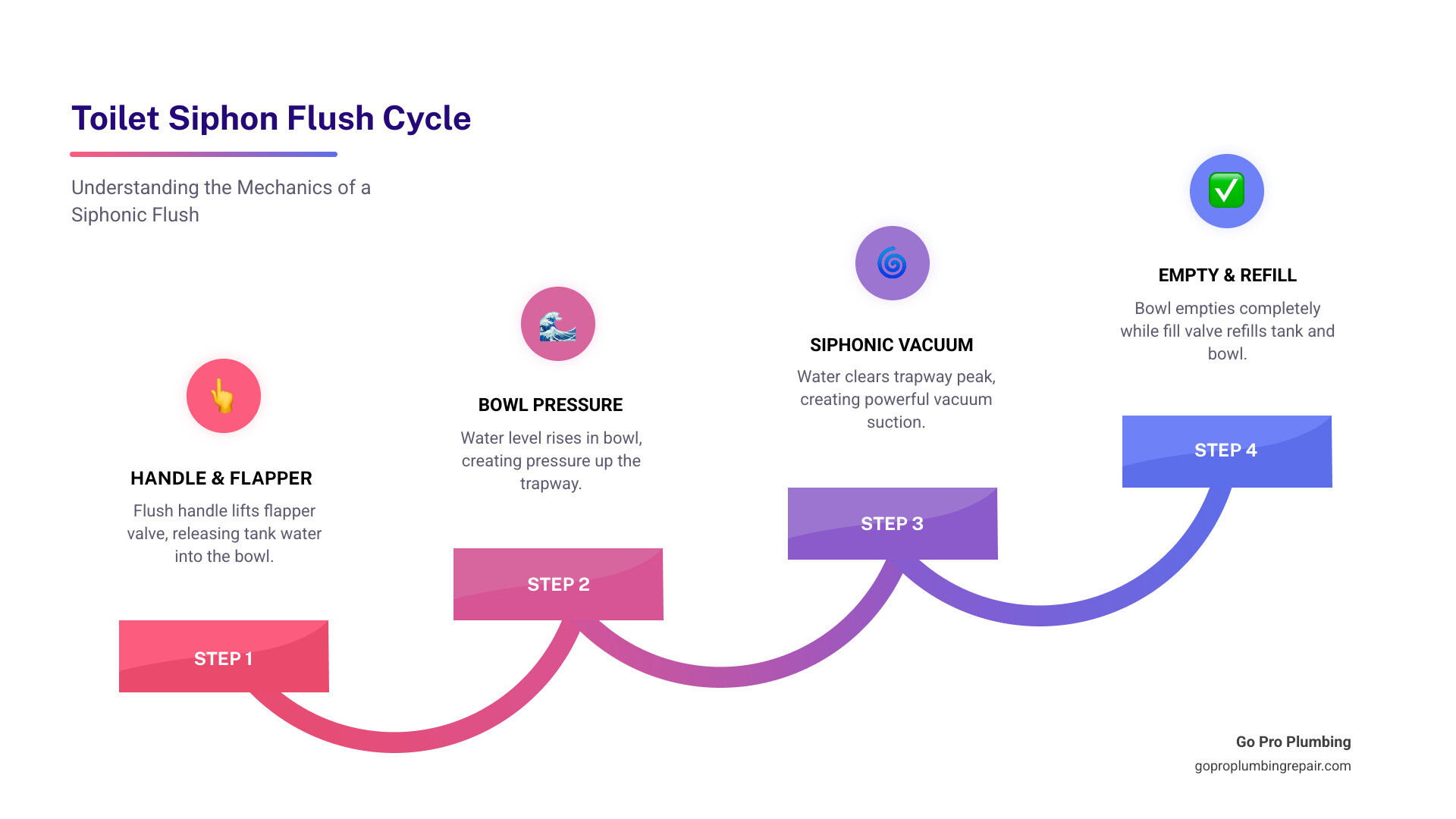
Before we dive into the specifics of toilet siphon repair, it helps to understand how this ingenious mechanism works. The basic function of a toilet siphon is to transfer water from the toilet tank (cistern) into the bowl, creating a powerful rush that evacuates waste. This is achieved through a principle known as siphonic action.
When you press the flush handle, it lifts a component (often a flapper or a diaphragm) that seals the large opening at the bottom of the tank. Water then rushes from the tank into the toilet bowl. As the water fills the bowl, it creates a vacuum effect in the trapway (the S-shaped pipe at the bottom of the bowl). This vacuum “pulls” the water and waste out of the bowl and down the drain.
The key components involved in this process are:
- Siphon mechanism (or flush valve): This is the core part that controls the release of water from the tank into the bowl. It includes the flapper or diaphragm and the overflow tube.
- Fill valve: Once the tank is empty, the fill valve (also known as the ballcock) senses the low water level and begins refilling the tank to its proper level, while also sending a small amount of water through a refill tube into the overflow pipe to replenish the water in the toilet bowl.
- Overflow tube: This vertical tube inside the tank serves two purposes: it prevents the tank from overflowing if the fill valve malfunctions, and it directs water from the refill tube into the bowl after a flush.
A properly functioning siphon ensures an efficient flush, clearing the bowl with a single use and preventing excessive water consumption. Conversely, problems with any of these components can lead to the issues we’ve discussed. For more on the specifics of the flush valve, you can consult our article on Toilet Flush Valve Problems.
Types of Toilet Siphons
While the basic principle of siphonic action remains the same, toilets employ different siphon designs. Knowing the type of siphon your toilet uses can be helpful when troubleshooting or selecting replacement parts. When choosing the correct siphon, always consider your toilet model, cistern size, and the flush volume needed. Always opt for siphons compatible with your specific toilet to ensure a proper fit and efficient operation.
Here are the main types you might encounter:
| Siphon Type | Mechanism The research contains information about “siphonic jet” toilets. This is relevant to the discussion of different types of siphons. There’s also mention of “Dual-flush siphons”.
| Siphon Type | Description