
Unclogging Made Easy: Top Products for Bathtub and Shower Drains
By Brian on July 17, 2026

Why Finding the Right Drain Clog Dissolver Matters
A drain clog dissolver is a chemical or mechanical solution designed to break down organic matter like hair, soap scum, grease, and other debris that blocks your bathtub or shower drain. When standing water pools around your feet during a shower or your tub drains painfully slowly, you need a solution that works fast—but also safely.
Quick Comparison: Top Drain Clog Dissolver Types
| Type | Best For | Pros | Cons |
|---|---|---|---|
| Alkaline-Based Chemicals | Hair, soap, grease | Works through standing water, non-fuming | Can generate heat, may damage gaskets |
| Acidic Chemicals | Mineral buildup | Fast-acting | Toxic fumes, pipe damage risk, dangerous |
| Enzymatic Cleaners | Prevention, light clogs | Safe for all pipes, eco-friendly | Slow-acting, ineffective on severe clogs |
| Mechanical Tools | All clog types | No chemicals, reusable | Requires physical effort |
Based on research from Reddit plumbing communities and professional product specifications, most experts recommend mechanical tools like plungers and drain snakes over chemical dissolvers for bathroom clogs. Chemical drain cleaners can damage pipes through exothermic heat reactions (especially with PVC), corrode gaskets and flexible connections, and pose serious safety risks from splash-back and toxic fumes.
That said, some professional-grade products like alkaline-based drain openers offer safer alternatives when used correctly. They’re non-fuming, work through standing water, and don’t contain dangerous sulfuric acid—though they still require careful handling with protective gear.
The biggest concern? Chemical drain cleaners should never be used in toilets due to wax ring damage and splash-back hazards. For bathroom sinks and tubs, they work best on organic clogs (hair, soap) but fail against solid objects or tree roots.
If you’re dealing with recurring clogs, standing water that won’t clear, or multiple drains backing up simultaneously, it’s time to skip the bottles and call a professional plumber. Main line blockages and sewer issues require specialized equipment that no store-bought dissolver can match.
Drain clog dissolver vocab explained:
Understanding the Best Drain Clog Dissolver Options
When we look at the aisles of a hardware store in Sacramento or Rancho Cordova, the sheer number of bottles can be overwhelming. To choose the best-drain-cleaning-product, we first need to understand what is a commercial drain cleaner and how these formulas differ.

Alkaline-Based vs. Acidic Dissolvers
Most consumer-grade products you’ll find, such as Zep Advanced Bathroom Sink Drain Opener Gel, are alkaline-based. These typically use sodium hydroxide (lye) or sodium hypochlorite (bleach) to liquefy hair and soap scum. They are popular because they are often “heavier” than water, allowing them to sink through a full tub to reach the clog.
On the other hand, acidic cleaners often contain high concentrations of sulfuric acid. While these are incredibly fast-acting, we generally advise Northern California homeowners to avoid them. They are extremely corrosive, can melt through thin metal pipes, and release dangerous fumes.
| Feature | Alkaline Dissolvers (e.g., Zep, Drain Solve) | Acidic Dissolvers (Sulfuric Acid) |
|---|---|---|
| Primary Action | Dissolves hair, grease, and fats | Dehydrates organic matter rapidly |
| Fumes | Low to non-fuming | High, toxic fumes |
| Pipe Safety | Generally safe for PVC/Cast Iron if used briefly | High risk of damage to all pipe types |
| Reaction | Exothermic (generates heat) | Violent exothermic reaction |
Professional-Grade Power: Drain Solve and SURGE
For those looking for a more robust drain clog dissolver, professional-grade products like Drain Solve and SURGE™ are often used in commercial settings.
- Drain Solve: This is an alkaline-based opener that is specifically non-fuming and does not produce the “violent eruptions” sometimes seen with cheaper chemicals. It is a favorite for HVACR professionals because it can clear condensate lines without the risk of sulfuric acid damage.
- SURGE™: This heavy-duty liquid drain opener is non-acidic and has a high pH of 14. It is designed to target starches, proteins, and hair. Because it is non-fuming, it is often used in schools and hospitals throughout Sacramento where air quality is a priority.
Safety Precautions and Risks of Chemical Cleaners
We cannot stress this enough: safety is the most important part of any DIY plumbing project. Before you even unscrew the cap of a drain clog dissolver, you must be prepared for the risks.
The Dangers of Splash-back and Chemical Burns
Chemical drain cleaners are corrosive by design. If you pour a cleaner into a clogged sink and it doesn’t clear, you are now left with a basin full of “toxic soup.” If you then try to use a plunger, you risk splashing that caustic liquid onto your skin or into your eyes.
Go Pro Plumbing Safety Tips:
- Wear PPE: Always use heavy-duty rubber gloves and safety goggles. Even a tiny drop of a product like Zep Liquid Heat Hair, Grease, and Buildup Remover Gel can cause severe chemical burns.
- Ventilation: Open windows and turn on bathroom fans. Chemical reactions in the pipes can produce irritating vapors.
- No Mixing: Never, ever mix different drain cleaners. Mixing an acid-based cleaner with a bleach-based one can create deadly chlorine gas.
- Careful Pouring: Pour the liquid slowly and directly into the drain opening to avoid splashing on chrome fixtures or stone countertops, which can be permanently etched.
For more details on the hazards, check out our guide on are-commercial-drain-cleaning-products-safe.
Mechanical and Natural Alternatives to a Drain Clog Dissolver
If you prefer to keep chemicals out of your home entirely, there are several effective mechanical and natural methods. In fact, we often find that a manual approach is faster and more reliable than waiting for a liquid to work.
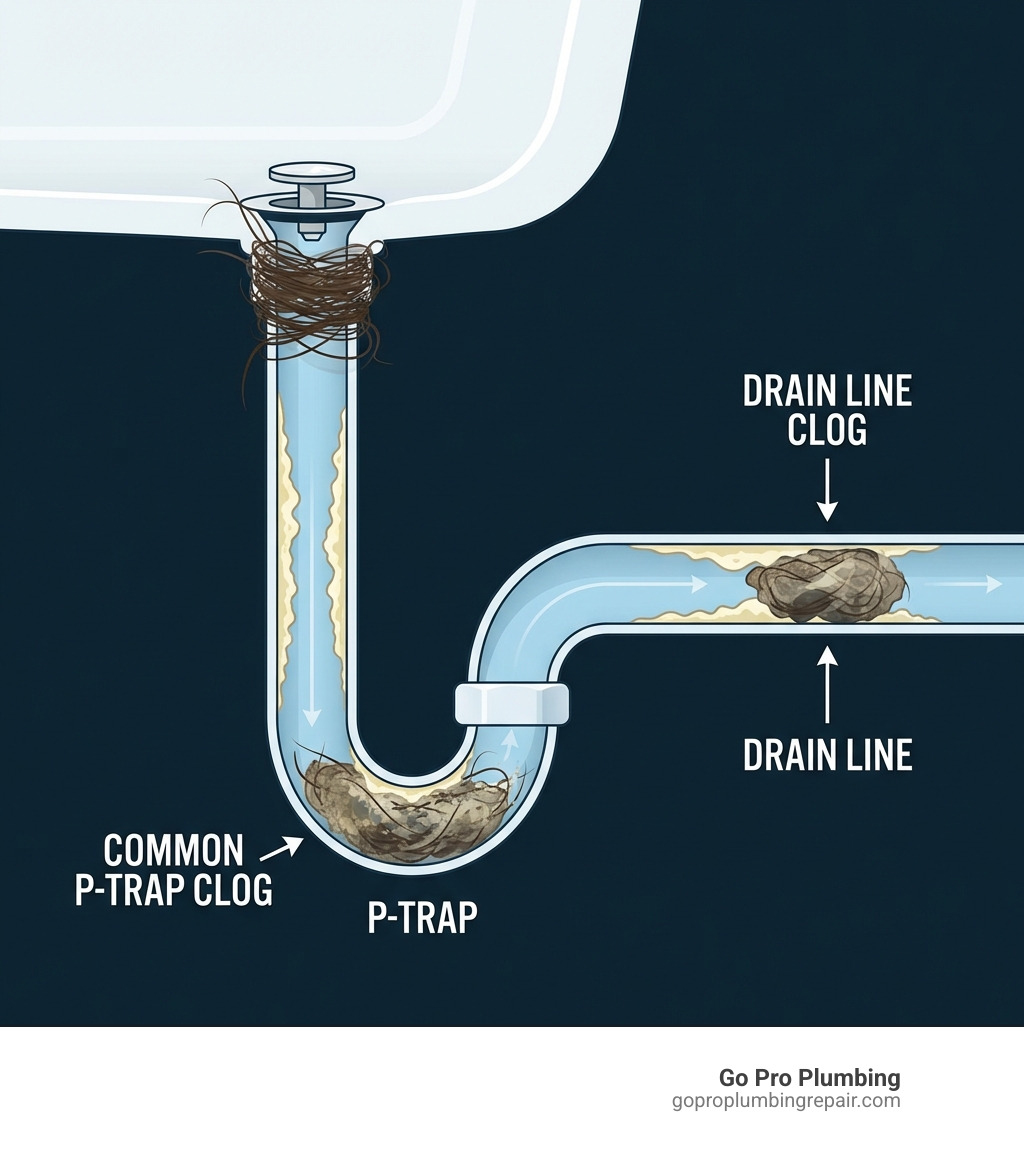
The Power of the P-Trap
Did you know that 90% of sink clogs are located in the P-trap? This is the U-shaped pipe directly under your sink. Instead of using a drain-cleaner-for-hair, you can simply place a bucket under the trap, unscrew the slip nuts, and manually remove the blockage. It’s messy, but it’s 100% effective.
Natural “Volcano” Method
For slow drains (not total blockages), a baking-soda-and-vinegar-drain-cleaner can help.
- Pour half a cup of baking soda down the drain.
- Follow it with half a cup of white vinegar.
- Plug the drain and let it sit for 30 minutes.
- Flush with a gallon of boiling water (only if you have metal pipes; use hot tap water for PVC).
While vinegar-and-baking-soda is great for freshening drains, it rarely has the “muscle” to eat through a massive hair clog. For that, you’ll need a hair-grease-drain-cleaner or a mechanical tool.
Why Experts Prefer Mechanical Tools Over a Drain Clog Dissolver
Why do we, and most professional plumbers, reach for a snake before a bottle?
- Pipe Integrity: Tools like a 25-ft drain snake or a simple plastic “zip-it” stick don’t cause chemical reactions. They don’t generate heat that can soften PVC or corrode old cast iron.
- Certainty: When you pull a hair clog out with a snake, you know it’s gone. With a drain clog dissolver, you’re often just burning a small hole through the clog, which will likely reform in a few weeks.
- Cost-Effectiveness: A plastic drain stick costs about $5 and is reusable. A bottle of Green Gobbler 1 Gal. Drain Clog Dissolver is a one-time use that may or may not work.
For a deeper dive into the best tools, see our best-drain-cleaner-near-me-guide and our updated list of the best-drain-clog-remover-2025.
When to Call a Professional for Stubborn Clogs
Sometimes, DIY methods just aren’t enough. If you’ve tried the best-drain-cleaner-for-hair-and-grease and the water still won’t budge, you might be facing a deeper issue.
Call Go Pro Plumbing if you experience:
- Recurring Clogs: If your shower clogs every two weeks, there is likely a larger buildup further down the line.
- Multiple Backups: If using the washing machine causes water to bubble up in the shower, you have a main sewer line blockage.
- The Smell of Sewage: This indicates a broken pipe or a venting issue that a drain clog dissolver cannot fix.
- Standing Water with Chemicals: If you’ve already poured a cleaner down the drain and it didn’t work, don’t keep adding more. Call us to safely drain the caustic liquid and clear the pipe mechanically.
For main line issues, we use specialized equipment like hydro-jetters that use high-pressure water to scrub the inside of your pipes. You can learn more in our Sewer Blockage Removal Guide or check out our advice on the best-drain-cleaner-for-main-sewer-line.
Frequently Asked Questions about Drain Clog Dissolvers
Can I use a chemical drain clog dissolver in my toilet?
Absolutely not. This is one of the most common mistakes homeowners make.
- Wax Ring Damage: The chemicals can dissolve or degrade the wax ring that seals your toilet to the floor, leading to leaks and floor rot.
- Porcelain Cracking: The exothermic (heat-generating) reaction can cause the porcelain of the toilet bowl to crack.
- Splash-back: Because of the way toilets are shaped, plunging a toilet that contains chemicals is extremely dangerous.
For toilet issues, always use a flange plunger or a toilet auger. See our toilet-drain-cleaner-complete-guide and the best-drain-openers-for-toilets-showers-and-bathtubs for safer alternatives.
Are drain dissolvers safe for PVC and older cast iron pipes?
It depends on the product and the condition of your pipes.
- PVC: While PVC is chemically resistant to many bases, the heat generated by the reaction can soften the plastic or damage the glue at the joints.
- Cast Iron/Galvanized Steel: Older metal pipes are susceptible to corrosion. Frequent use of harsh chemicals will eventually eat through the pipe walls, leading to expensive underground leaks.
We generally recommend enzymatic cleaners for older homes in Sacramento to avoid these risks. To see how effective these products really are, read how-effective-is-commercial-drain-cleaner.
What is the best way to prevent future bathroom clogs?
Maintenance is the key to avoiding the “standing water blues.”
- Drain Screens: Use a mesh hair catcher in every shower. It’s the single most effective way to prevent clogs.
- Weekly Flushing: Once a week, flush your drains with a gallon of very hot water to melt away soap residue.
- Enzymatic Maintenance: Use a product like Drain Solve in maintenance doses (8-16 oz) weekly to keep organic buildup at bay.
For more prevention tips, check out our list of drain-cleaning-products and the best-sink-drain-cleaner-for-hair.
Conclusion
Dealing with a clogged drain doesn’t have to be a nightmare. While a drain clog dissolver like Zep Advanced Bathroom Sink Drain Opener Gel or Green Gobbler can be a quick fix for minor hair clogs, they aren’t a magic wand. Always prioritize safety, wear your PPE, and never use these products in your toilet.
If your DIY efforts aren’t cutting it, or if you’re worried about the health of your older plumbing, we are here to help. Go Pro Plumbing offers same-day service to Rancho Cordova and Sacramento residents, ensuring your home stays dry and your drains stay clear.
Ready to get those pipes flowing again? Explore our Professional Drain Cleaning Services or contact us today for expert assistance!