
The Ripple Effect: How Water Conservation Programs Benefit Communities
By Brian on January 12, 2026
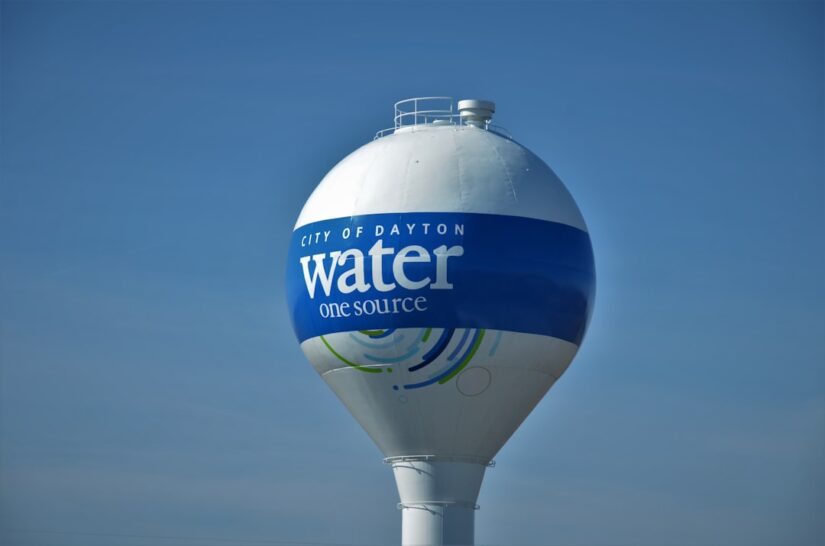
Why Water Conservation Programs Matter for Your Home and Community
A water conservation program is an organized initiative—typically run by government agencies, water utilities, or non-profits—that helps individuals and businesses reduce water waste through rebates, education, technical assistance, and other resources. These programs aim to ensure sustainable water management, protect ecosystems, and secure future water supplies for communities facing increasing demand and climate uncertainty.
Quick Overview: Water Conservation Programs at a Glance
| What They Are | Organized initiatives offering rebates, education, and technical support to reduce water waste |
| Who Offers Them | Government agencies (EPA, Bureau of Reclamation), water utilities, state agencies, non-profits |
| Types of Programs | Rebates for efficient fixtures, landscape conversion incentives, free water audits, educational workshops |
| Primary Goals | Sustainable water management, reducing waste, protecting ecosystems, securing future supplies |
| How to Find One | Check your water utility website, city/county pages, or EPA WaterSense “Find a Program” tool |
Water isn’t infinite, even in Northern California. While we might not think about it when we turn on the tap, every gallon we use comes from somewhere—and it takes energy and infrastructure to get it to our homes. That’s where water conservation programs step in.
These programs exist because the stakes are high. According to EPA data, about half the water in a typical home is used outdoors, and nearly 50% of that is wasted because of inefficient or broken irrigation systems. When you multiply that across thousands of homes, the numbers become staggering. But here’s the good news: customers who participated in California water utility rebate programs between 2016 and 2020 will help save more than 9.2 billion gallons over their lifetime—that’s more than 148 billion cups of water.
The primary goal of water conservation programs is straightforward: sustainable water management. They help communities reduce waste, secure future water supplies, and protect the natural ecosystems that depend on healthy water sources. For homeowners and business owners, these programs also mean lower utility bills, financial rebates, and professional support for everything from fixing leaks to installing high-efficiency fixtures.
Whether you’re dealing with a leaky toilet, considering a landscape makeover, or just want to reduce your water footprint, understanding these programs is the first step. For more information about water conservation at home, check out Water Resources and Conservation.
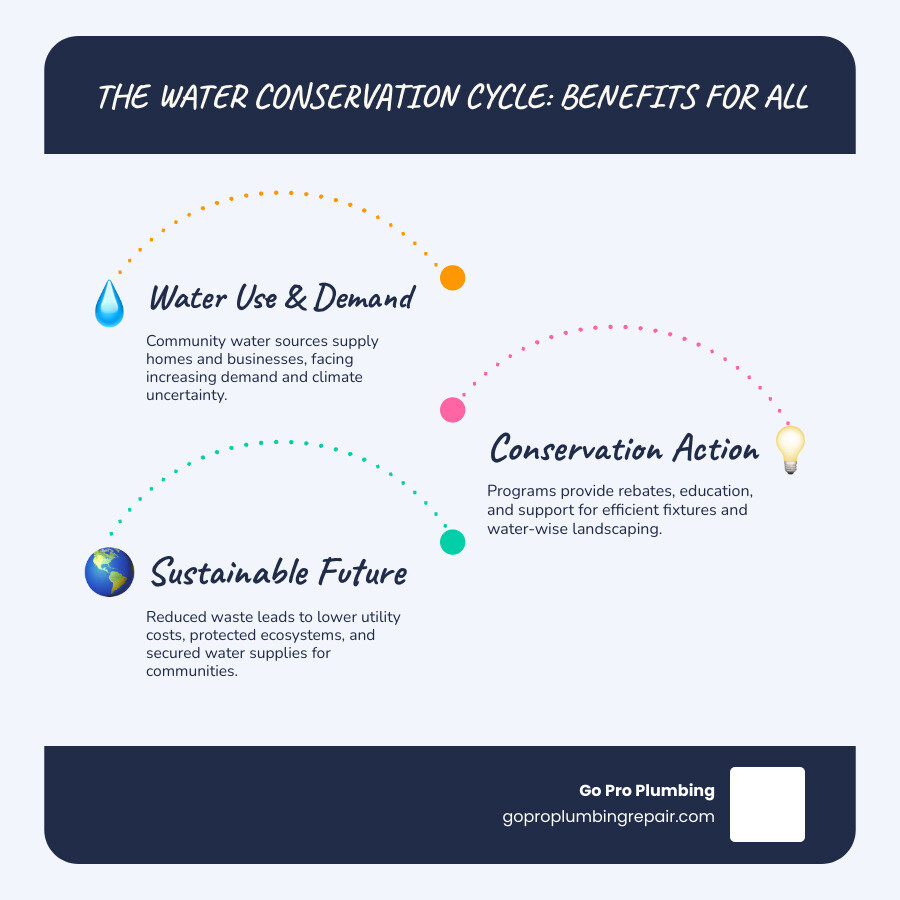
Similar topics to water conservation program:
The Architects of Conservation: Who Runs and Regulates These Programs?
Understanding who designs and implements water conservation programs is key to knowing how to participate and benefit from them. These programs aren’t just random acts of kindness; they are carefully planned initiatives often driven by a combination of public and private entities, all working towards a common goal of water security.

Who Typically Offers These Programs?
In our Northern California communities, a diverse group of organizations typically offers and manages water conservation programs. These include:
- Government Agencies: Federal agencies like the Environmental Protection Agency (EPA) and the Bureau of Reclamation play a crucial role. The EPA, for instance, issues public guidelines for water conservation plans, as mandated by the 1996 Safe Drinking Water Amendments. Their WaterSense program is a well-known initiative that promotes water-efficient products and practices. The Bureau of Reclamation, with its Water Conservation Field Services Program, actively encourages water conservation, especially in areas receiving water from federal projects, by assisting both agricultural and urban water districts in preparing and implementing water conservation plans. You can learn more about their efforts at Water Conservation | Bureau of Reclamation.
- State Agencies: The California State Water Resources Control Board, for example, oversees water conservation efforts at a broader state level, often setting regulations and offering resources that local entities can use.
- Water Utilities and Districts: These are often the front-line providers of water conservation programs directly to consumers. In our service areas, this includes entities like:
- Cal Water, which offers a variety of rebates and programs.
- Alameda County Water District, providing assistance for residential, commercial, and landscape conservation.
- Santa Clara Valley Water, known for its landscape rebate programs and Water Wise Outdoor Surveys.
- The City of Rancho Cordova, City of Sacramento, and Sacramento Suburban Water District, all of whom offer their own local rebates and water-saving tips.
- Non-Profit Organizations: Groups like the Alliance for Water Efficiency often work to research, educate, and advocate for water conservation, sometimes partnering with utilities to implement programs.
The Role of Government Regulations in Planning
Government regulations and guidelines form the backbone of effective water conservation planning. They provide the necessary framework and impetus for water systems and states to develop robust programs.
- Federal Guidelines: The EPA’s Water Conservation Plan Guidelines are a prime example. These guidelines, available at Water Conservation Plan Guidelines, help utilities craft plans that are custom to their specific needs. For instance, the guidelines are structured differently for water systems serving populations of 10,000 or less (Basic), 10,000-100,000 (Intermediate), and over 100,000 (Advanced). These guidelines also outline various Water Conservation Measures and benchmarks for planning.
- State Requirements: States, including California, often require water systems to prepare water conservation plans to be eligible for state funding, such as assistance from Drinking Water State Revolving Funds. These requirements ensure a minimum standard of conservation effort across the state.
- Water Loss Audits: A critical component of regulatory oversight involves water loss audits. Organizations like the American Water Works Association (AWWA) publish manuals such as M36 Water Audits and Loss Control Programs, which help utilities identify and reduce water lost to leakage, meter error, and theft—millions of gallons each year, impacting a utility’s bottom line.
- Drought Preparedness Plans: In drought-prone regions like California, comprehensive drought preparedness and response plans are essential. Manuals like AWWA’s M60 Drought Preparedness and Response guide water managers in employing both traditional strategies and new tools to mitigate water shortages. These plans often lead to year-to-year adjustments in water conservation programs as conditions change.
Our commitment to these guidelines helps us ensure that the plumbing solutions we provide are not just effective, but also align with the broader goals of water sustainability in our communities.
A Toolbox for Saving Water: Types of Conservation Initiatives
Water conservation programs are incredibly diverse, offering a wide array of tools and incentives to encourage water saving. From putting money back in your pocket to providing valuable knowledge, these initiatives are designed to make conservation accessible and beneficial for everyone.
Financial Incentives
Who doesn’t love a good deal, especially when it helps the environment? Financial incentives are a cornerstone of many water conservation programs.
- Rebate Programs: These are hugely popular and effective. Utilities across Northern California, such as Santa Clara Valley Water, Cal Water, Rancho California Water District, and Sacramento Suburban Water District, offer rebates for upgrading to water-efficient fixtures and appliances. For example, Santa Clara Valley Water offers up to $3,000 per residence (and up to $100,000 for commercial/multi-family sites!) for changing lawns into water-wise landscapes. These rebates can cover high-efficiency toilets, washing machines, smart irrigation controllers, and more.
- Vouchers: Similar to rebates, vouchers can be provided for specific water-saving products.
- Tiered Water Rates: Some utilities implement tiered pricing, where the cost per unit of water increases as usage goes up. This encourages customers to be mindful of their consumption to keep their bills lower.
Educational Resources
Knowledge is power, especially when it comes to saving water. Water conservation programs heavily invest in educating the public.
- Public Awareness Campaigns: These campaigns use various media to spread the word about the importance of water conservation and simple ways to save.
- School Programs: Engaging younger generations is crucial. Many programs offer resources and curricula for schools to teach students about water stewardship. We believe in fostering these habits early; you can find more information on this topic in our Water Conservation Schools Guide.
- Workshops and Webinars: Local utilities often host free workshops on topics like water-wise landscaping, irrigation system maintenance, or indoor water saving tips.
Technical Assistance
Sometimes, you need a little expert help to figure out where your water is going.
- Water Audits: Many utilities offer free water audits, either self-guided or with the help of a professional. These audits help identify leaks, inefficient fixtures, and areas where water can be saved. Our Water Efficiency Audit service can help you pinpoint these areas in your home or business.
- System Optimization Reviews: For larger users, like agricultural or urban water districts, programs like the Bureau of Reclamation’s WCFSP offer technical assistance for System Optimization Reviews to identify water management improvements.

Addressing Indoor and Outdoor Water Use
A comprehensive water conservation program tackles both the water we use inside our homes and the water we use outside.
- Indoor Programs: These programs focus on the appliances and fixtures within your home.
- High-Efficiency Fixture Rebates: Rebates are commonly offered for installing WaterSense-certified products like low-flow toilets, showerheads, and faucet aerators. These products meet EPA’s criteria for water efficiency and performance. You can explore these options at WaterSense-certified products.
- Leak Detection: Programs often provide resources or assistance for finding and fixing leaks, which can waste thousands of gallons of water annually. We know how tricky hidden leaks can be!
- For more tips on saving water inside, our Domestic Water Conservation guide offers valuable insights.
- Outdoor Programs: Given that about half of a typical home’s water is used outdoors, these programs are incredibly important, especially in California.
- Lawn-to-Garden Rebates: Many local utilities, like Santa Clara Valley Water, offer generous rebates for replacing water-thirsty lawns with drought-tolerant, native landscaping. This not only saves water but can also create beautiful, low-maintenance gardens. Find out more at Water Conservation Landscaping.
- Smart Irrigation Controller Rebates: These controllers use local weather data to adjust watering schedules, ensuring your landscape gets just the right amount of water, no more, no less.
- Free Landscape Surveys: Utilities like Santa Clara Valley Water offer free Water Wise Outdoor Surveys to assess your irrigation system and identify areas of waste. Nearly 50% of outdoor water can be wasted due to inefficient systems!
A Closer Look at a Successful Water Conservation Program
The proof is in the puddings—or rather, the lack thereof when water is conserved! We’ve seen incredible success right here in California. For example, Cal Water reports that customers who participated in their rebates and programs between 2016 and 2020 will help California save more than 9.2 billion gallons over their lifetime. That’s a staggering amount of water—over 148 billion cups! This statistic highlights the power of collective action and well-designed water conservation programs in making a tangible, long-term impact. Their conservation archive at Conservation Archive showcases their ongoing commitment.
Beyond the Tap: The Widespread Benefits of Saving Water
The advantages of a robust water conservation program extend far beyond simply reducing your monthly water bill. These initiatives create a powerful ripple effect, benefiting our environment, strengthening our communities, and improving individual well-being.
Environmental Benefits
When we conserve water, we’re not just saving a resource; we’re protecting the very fabric of our natural world.
- Protecting Aquatic Ecosystems: Reduced water demand means less water needs to be drawn from rivers, lakes, and groundwater sources. This helps maintain healthy water levels, supporting fish, wildlife, and the delicate ecosystems that depend on them.
- Maintaining Streamflows: Adequate streamflows are vital for ecological health, supporting biodiversity and natural processes. Conservation efforts help ensure these flows are sustained.
- Reducing Energy Use: Pumping, treating, and heating water are incredibly energy-intensive processes. By using less water, we indirectly reduce energy consumption and the associated greenhouse gas emissions, contributing to cleaner air and a healthier climate.
- Mitigating Drought Impacts: California is no stranger to droughts. Water conservation programs are a critical tool in building resilience against these dry periods, allowing us to stretch our existing water supplies further and minimize the severity of water restrictions when they do occur. You can explore the environmental advantages further in our Water Conservation Environmental Benefits article.
Community Benefits
A community that prioritizes water conservation is a stronger, more resilient community.
- Ensuring Long-Term Water Security: By reducing overall demand, conservation programs help ensure that our communities, including Rancho Cordova, Sacramento, and other parts of Northern California, have sufficient water for future generations, even as our populations grow.
- Lowering Infrastructure Costs: When demand is managed effectively through conservation, water utilities can often postpone or downsize costly infrastructure projects, such as building new reservoirs or treatment plants. This saves taxpayer and ratepayer money.
- Postponing Need for New Water Sources: Developing new water sources can be environmentally disruptive and incredibly expensive. Conservation is often the most cost-effective “new” source of water.
Individual Benefits
The benefits circle back to us, the individuals and businesses participating in these programs.
- Lower Water and Energy Bills: This is often the most immediate and tangible benefit. Using less hot water means lower energy bills, and using less water overall means lower water bills. It’s a win-win for your budget!
- Financial Rebates: As we’ve discussed, rebates for efficient appliances and landscaping can provide significant financial incentives, making it easier and more affordable to make water-saving upgrades.
- Healthier, More Resilient Landscapes: Converting to water-wise landscaping means less watering, less maintenance, and plants that are better adapted to our local climate, creating a beautiful and sustainable outdoor space.
How to Join the Movement: Finding and Participating in a Local Water Conservation Program
Ready to dive in and start saving water? Finding and participating in a water conservation program in your area is often easier than you think. Our Go Pro Plumbing team is here to help, but knowing the resources available to you is a great first step.
Finding Local Programs
Since we’re based in Northern California, we understand the local landscape. Here’s how you can find programs specific to our communities:
- Your Water Utility’s Website: This is usually the best place to start. If you’re in Sacramento, check the City of Sacramento’s water conservation page. If you’re in Rancho Cordova, visit the City of Rancho Cordova’s resident section on water conservation tips. Other local utilities like Cal Water, Alameda County Water District, Santa Clara Valley Water, and Sacramento Suburban Water District all have dedicated sections on their websites detailing their water conservation programs, rebates, and resources. Look for pages titled “Water Conservation,” “Rebates & Programs,” or “Water Saving.”
- City or County Government Pages: Many local government sites provide information or links to water conservation initiatives.
- EPA WaterSense “Find a Program” Tool: The EPA’s WaterSense program offers a tool to help you locate programs in your region.
- Online Search: A quick search for “[your city] water conservation program” (e.g., “Sacramento water conservation program” or “Rancho Cordova water conservation program”) will often yield relevant local results.
Common Water Conservation Practices Promoted by Programs
Once you find a program, you’ll see a recurring theme of practical, actionable steps you can take. These common practices are the core of most water conservation programs:
- Fixing Leaks Promptly: A silent culprit, a leaky toilet or dripping faucet can waste hundreds of gallons of water per week. Programs often provide resources for leak detection and repair.
- Installing Efficient Fixtures and Appliances: Upgrading to WaterSense-labeled toilets, showerheads, and washing machines can significantly reduce indoor water use.
- Watering Landscapes Wisely: This includes using smart irrigation controllers, watering during cooler parts of the day, and avoiding overwatering. Nearly 50% of outdoor water use is wasted!
- Using Pool Covers: A pool cover can reduce evaporation by up to 90%, saving a substantial amount of water.
- Choosing Native and Drought-Tolerant Plants: Landscaping with plants adapted to our California climate requires less water and maintenance.
- Taking Shorter Showers: Simple behavioral changes can add up.
- Turning Off the Tap: While brushing teeth or washing dishes, turning off the water saves precious gallons.
Participation Steps
Getting involved is usually a straightforward process:
- Check Eligibility: Rebate programs often have specific eligibility criteria, such as owning the property, using a certain water provider, or purchasing specific models of appliances.
- Submit Applications for Rebates: Once you’ve made an eligible purchase or upgrade, you’ll typically need to fill out an application form and provide proof of purchase.
- Schedule a Water Audit: Many utilities offer free water audits. Take advantage of them to get personalized recommendations.
- Attend a Workshop: Improve your knowledge and skills by attending local workshops or webinars on water-wise practices.
Participating in a water conservation program isn’t just about saving money; it’s about being a part of a larger effort to secure our most vital resource. Learn more about how to get started with our Water Saving Program guide.
Frequently Asked Questions about Water Conservation Programs
We often hear similar questions from our customers about water conservation programs. Let’s clear up some common curiosities.
How much water can I really save?
The potential for water savings is truly significant, and it’s often much more than people realize! Consider these facts:
- Outdoor Water Use Waste: As mentioned earlier, about half the water in a typical home is used outdoors, and a staggering nearly 50% of that is wasted due to inefficient or broken irrigation systems. Fixing these issues alone can lead to massive savings.
- High-Efficiency Fixtures: Upgrading to WaterSense-certified toilets, showerheads, and washing machines can reduce indoor water consumption by a substantial margin. For example, older toilets can use 3.5 to 7 gallons per flush, while new efficient models use 1.28 gallons or less.
- Small Changes, Big Impact: Simple habits like taking shorter showers, turning off the tap while brushing your teeth, or running your dishwasher only when full can save hundreds, if not thousands, of gallons annually.
- Cumulative Effect: When you combine these individual actions and multiply them across an entire community, the impact is immense. Remember the 9.2 billion gallons saved by California utility customers? That’s the power of collective conservation!
So, yes, you can absolutely make a significant difference, both for your wallet and for our community’s water supply.
Are these programs only for homeowners?
Definitely not! While many programs highlight homeowner benefits, water conservation programs are designed to be inclusive and offer solutions for a broad range of users.
- Renters: Even if you don’t own your home, you can still participate. Many programs offer free water-saving devices like showerheads and faucet aerators that are easy to install and remove. You can also practice behavioral conservation, which costs nothing!
- Businesses: Commercial and industrial facilities are often large water users and are a key focus for conservation efforts. Many utilities offer specialized programs, audits, and rebates for businesses to install efficient equipment, optimize processes, and manage landscapes. The USDA’s Conservation at Work videos offer insights into how various entities can implement conservation practices.
- Agricultural Producers: Farmers and ranchers are major water users, especially in California. Programs provide technical and financial assistance for efficient irrigation, soil health practices, and water quality management. The USDA’s Conservation Concerns Tool on farmers.gov is a great resource for agricultural water management.
- Multi-Family Properties: Apartment complexes and condominiums can often access specific programs and rebates for common areas and individual units.
The goal is to reduce water waste across all sectors, recognizing that everyone has a role to play.
What if my area doesn’t have a formal program?
Even if your immediate area doesn’t advertise a formal water conservation program, you’re far from helpless! There’s a lot you can do through proactive, DIY conservation.
- Follow Best Practices: Implement the common conservation strategies we’ve discussed: fix leaks, take shorter showers, water wisely, and run full loads of laundry and dishes. These actions are effective regardless of whether a formal program is available.
- Install WaterSense Products: Look for the WaterSense label when purchasing new toilets, showerheads, faucets, and irrigation controllers. These products are independently certified to be water-efficient.
- Conduct a Self-Audit: You can perform your own home water audit to identify areas of high usage or potential leaks. Many online resources provide checklists and instructions for this.
- Research Broader Programs: Check state-level or regional water agencies, as they might have resources or programs that apply to your area even if your local utility doesn’t have a specific offering.
- Advocate for Change: You can also be a voice for water conservation in your community, encouraging local officials to explore implementing programs.
For a comprehensive guide on strategies you can implement yourself, explore our Water Conservation Strategies Guide.
Conclusion: Your Role in a Water-Secure Future
The journey towards water security is a collective one, and water conservation programs are the maps guiding us there. We’ve explored how these initiatives, spearheaded by government agencies, utilities, and non-profits, offer a wealth of resources from financial rebates and educational materials to technical assistance. The benefits ripple outwards, strengthening our environment, our communities, and our personal finances.
From protecting aquatic ecosystems and mitigating drought impacts to lowering your utility bills and enhancing your landscape, the advantages of conserving water are undeniable. We’ve seen how simple actions, when multiplied across homes and businesses in places like Sacramento, Rancho Cordova, and throughout Northern California, can lead to billions of gallons saved. This is the powerful “ripple effect” in action.
The future of water conservation will likely see even more advanced technology, such as Advanced Metering Infrastructure (AMI), which provides real-time water usage data, empowering consumers and utilities with better information. Data-driven strategies and integrated water management approaches will continue to evolve, helping us manage this precious resource more effectively. For a deeper dive into responsible water management, our Water Conservation and Waste Management article is a valuable resource.
At Go Pro Plumbing, we are proud to be a part of this effort. Whether it’s expertly detecting and fixing leaks, installing high-efficiency fixtures, or offering professional advice on how to optimize your home’s water use, our team is committed to helping you conserve water. We believe that outstanding customer service also means helping you make environmentally responsible choices that benefit everyone.
Don’t wait for a drought to make changes. Take the next step today. Start by exploring the programs offered by your local water utility or implementing some of the best practices we’ve discussed. Every drop saved contributes to a healthier, more sustainable future for all of us.
Explore our professional water conservation services to see how we can help you make a difference.