
In Depth Guide to Water Line Replacement
By Brian on January 26, 2026
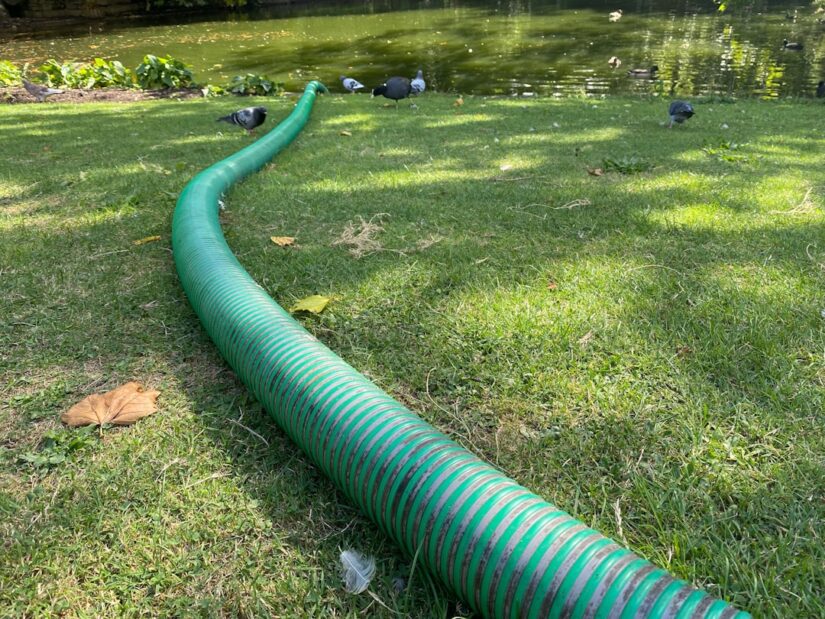
Why Water Line Replacement Matters for Your Home
A water line replacement involves replacing the pipe that brings water from the city’s main to your home. This critical pipe is often forgotten until a problem arises. You likely need a replacement if you notice low water pressure, discolored water, frequent leaks, soggy spots in your yard, or unexplained high water bills. Aging pipes, like galvanized steel over 60 years old or any lead pipes, are also a major concern.
Many Northern California homeowners are surprised to learn that you own the water service line from the city connection point into your property. This makes you responsible for its maintenance, repair, and eventual replacement, a project that can cost over $10,000 depending on the specifics.
Older materials are the primary culprits. Galvanized steel pipes, common in pre-1970s homes, corrode from the inside out, leading to rust in your water and reduced flow. Lead pipes pose a significant health risk by leaching lead into your drinking water. Understanding the signs of failure and your responsibilities helps you make informed decisions to protect your home and family.
Do You Need a Water Line Replacement? Key Warning Signs
Your home’s plumbing system will often send clear signals when the main water line is failing. Spotting these symptoms early can save you from costly emergency repairs and potential health risks. Here are the key warning signs that point to a needed water line replacement:
- Low Water Pressure: If showers are weak and faucets take forever to fill a pot, your main line could be clogged with rust or mineral buildup, restricting water flow.
- Discolored Water: Orange or brown water, often with visible debris, is a strong indicator that older galvanized steel pipes are rusting from the inside out.
- Frequent Leaks: If you’ve repaired two or more leaks in a short period, it’s a sign that the entire pipe is compromised. Patching one spot after another is a temporary fix for a systemic problem.
- Soggy Spots in Your Yard: Unexplained wet patches in your lawn, especially along the path of your water line, often point to an underground leak.
- Sudden High Water Bills: A spike in your water bill without an increase in usage is a classic sign of a hidden leak. You’re paying for water that’s seeping into the ground.
- Aging Pipes: The age and material of your pipes are critical factors. Galvanized steel pipes over 60 years old and lead pipes of any age are at high risk of failure and pose health concerns.
If you notice any of these issues, especially in combination, it’s time to call a professional for an inspection. A sudden drop in pressure, visible pipe corrosion, or persistent water quality changes are not DIY problems. An expert can diagnose the issue accurately, preventing minor problems from turning into major ones, like foundation damage from long-term leaks. A professional inspection is a small investment compared to the potential cost of ignoring these critical warning signs.
Understanding Water Line Materials: Old vs. New
The material of your main water line is crucial for its lifespan, performance, and the quality of your water. When considering a water line replacement, understanding the differences between old and new pipe materials is essential. Each option has a unique lifespan, durability, and cost, and local building codes in areas like Sacramento and Rancho Cordova dictate which materials are permitted for new installations.
Common Aging Pipe Materials and How They Degrade
Understanding how older pipes fail highlights the importance of an upgrade.
-
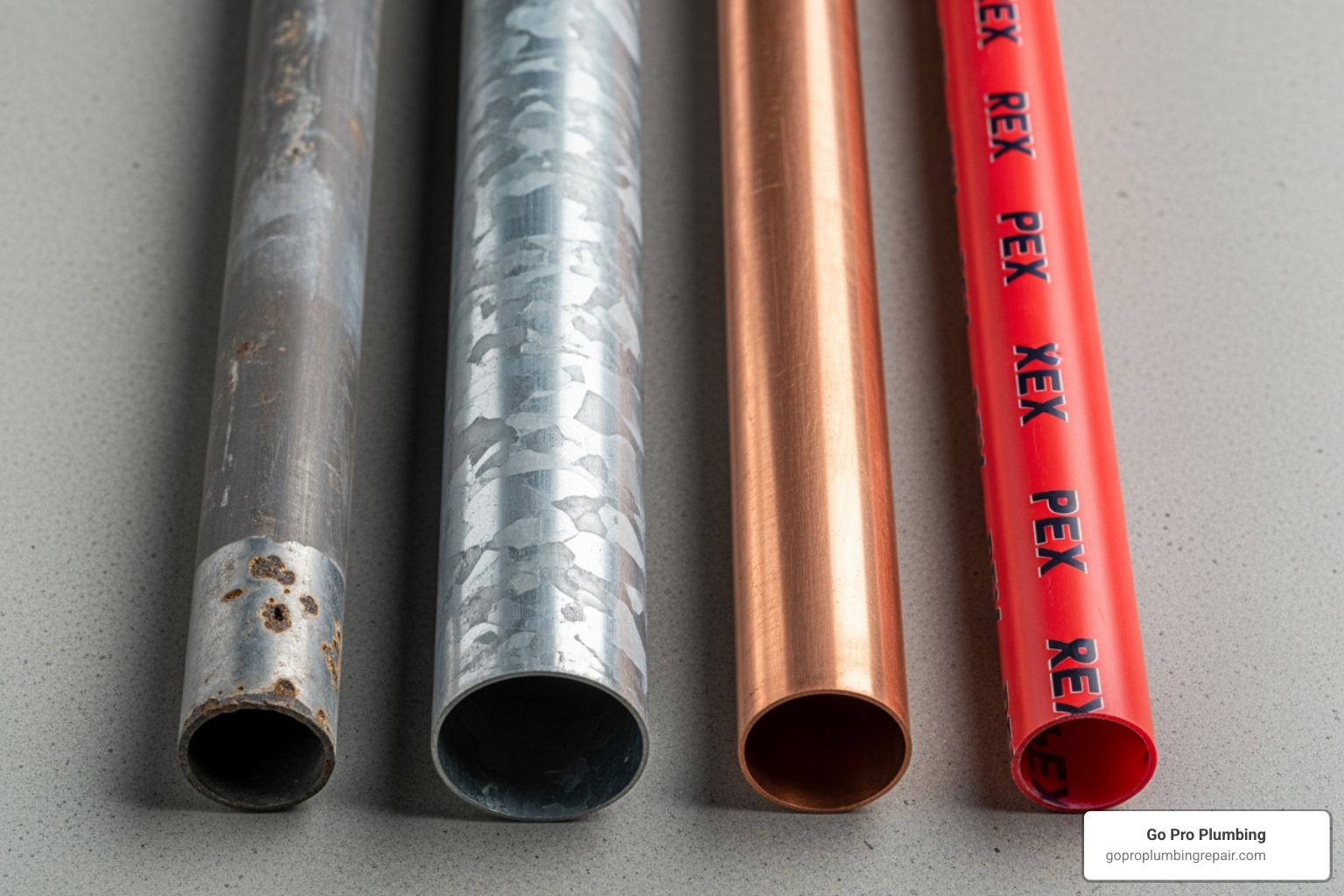
Lead: Once common, lead pipes are a major health hazard. Even small lead components, like flexible “goosenecks” connecting to the main, can leach lead into drinking water. This poses serious health risks, especially for children. Unlike other materials, lead’s danger is an invisible, internal hazard.
-
Galvanized Steel: This zinc-coated steel was a popular choice for decades, but the zinc coating erodes over time. This exposes the steel to water, causing rust and corrosion. The resulting buildup narrows the pipe, reducing water flow and causing discolored water. The pipe also becomes brittle and prone to cracks and leaks.
These aging materials are now recognized liabilities, making a water line replacement a wise investment in your home’s health and safety.
Modern Replacement Materials
Today’s homeowners have excellent, reliable options for water line replacement. Here are the most recommended materials:
-
Copper: Often considered the “gold standard,” copper is extremely durable, corrosion-resistant, and has a lifespan of 50-100+ years. It won’t add pollutants to your water. For most residential projects, Type L copper offers the best balance of cost and durability.
-
PEX (crosslinked polyethylene): This flexible plastic piping is popular for its cost-effectiveness and ease of installation. Its flexibility means fewer connections and a lower risk of leaks. PEX is also resistant to corrosion and freezing. However, it must be sleeved for underground use in California, and some worry about rodent damage to plastic pipes.
-
CPVC (chlorinated polyvinyl chloride): Another plastic option, CPVC is a rigid pipe that is durable and corrosion-resistant. It is generally cost-effective but, like PEX, can be vulnerable to rodent damage and is less flexible, requiring more fittings.
Here’s a quick comparison:
| Feature | Copper | PEX (Crosslinked Polyethylene) | CPVC (Chlorinated Polyvinyl Chloride) |
|---|---|---|---|
| Durability | Excellent, corrosion-resistant | Very good, flexible, freeze-resistant | Good, rigid, corrosion-resistant |
| Lifespan | Very long (50-100+ years) | Long (50+ years) | Long (50+ years) |
| Cost | Higher upfront | Moderate | Moderate |
| Flexibility | Rigid, requires fittings for bends | Highly flexible, fewer fittings | Rigid, requires fittings for bends |
| Installation | Requires soldering/compression | Easy, crimp/expansion fittings | Easy, solvent cement fittings |
| Health Impact | No known issues, non-leaching | No known issues | No known issues |
| Vulnerabilities | Can be damaged by acidic water over time | Rodent damage, UV exposure if not buried, sleeving for underground use | Rodent damage, can become brittle over time |
The best choice depends on your budget, local codes, and property needs. We can help you select the ideal material for your Sacramento or Rancho Cordova home.
The Water Line Replacement Process: Methods and Costs
A water line replacement project is a straightforward process with a clear roadmap. At Go Pro Plumbing, we guide you through every step, from permits to completion.
Before work begins, we handle the necessary permits (typically $100-$500 in Sacramento and Rancho Cordova) and arrange for any required inspections ($150-$500). We’ll also inspect your main water shut-off valve; replacing a faulty one ($400-$800+) during the project is cost-effective. Most residential replacements are completed quickly, often within 4 to 8 hours, minimizing water shut-off time.
Traditional Trenching vs. Trenchless Technology
One of the biggest decisions is how to install the new pipe. We offer both traditional and modern methods.
-
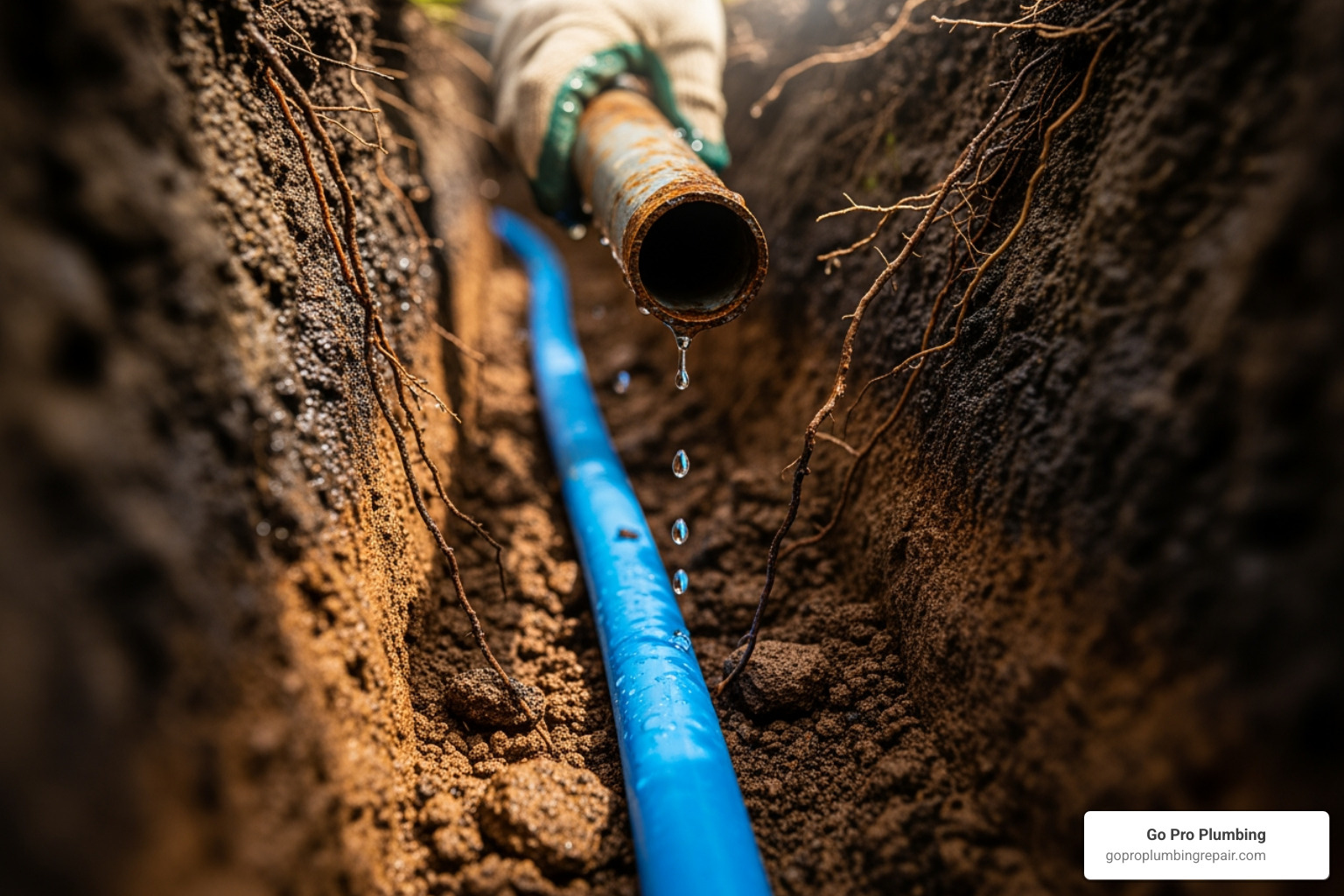
Traditional Trenching: This method involves digging a trench along the entire pipe path. While effective, it causes significant yard disruption, requiring restoration of your lawn, garden, and potentially driveways or sidewalks.
-
Trenchless Methods: To protect your landscaping, we often use trenchless technology. These methods require only small access pits at either end of the line.
- Pipe Pulling (Pipe Bursting): A tool breaks the old pipe underground while pulling the new pipe into its place. It’s ideal for replacing a line with one of the same or slightly larger size.
- Boring/Push Method (Directional Drilling): We drill a new path underground and push or pull the new pipe through, leaving the old pipe in place. This is perfect for navigating under driveways, gardens, and trees.
Trenchless methods may have a slightly higher upfront cost but can save you thousands in landscaping restoration, making them a popular choice for minimal disruption.
Factors Influencing Your Water Line Replacement Cost
The final price of a water line replacement depends on several factors:
- Pipe Material: Copper is typically more expensive upfront than PEX or CPVC, but its longevity is a key benefit.
- Length and Distance: Longer lines require more material and labor, increasing the cost. A replacement can range from $1,500 to over $12,000.
- Depth of Installation: Most lines are 1-3 feet deep. Deeper installations, required to get below the frost line in colder climates, take more time and equipment.
- Obstructions: Tree roots and rocks are common obstacles that can slow a project and increase labor costs, as we must work carefully around them.
- Permits and Fees: Required permits and inspections add a few hundred dollars to the total cost.
- Landscaping Restoration: With traditional trenching, the cost to restore your yard can be significant (averaging $3,700). Trenchless methods drastically reduce or eliminate this expense.
We provide a detailed estimate covering all these factors, so you have a clear understanding of the project scope and cost.
The Special Case: Lead Service Line (LSL) Replacement
Replacing a lead service line (LSL) is more than a plumbing repair; it’s a critical public health measure. At Go Pro Plumbing, we help Northern California homeowners steer this process safely and effectively.
Health Risks and Regulatory Mandates
There is no safe level of lead in drinking water. Lead exposure is especially harmful to children, potentially affecting IQ and attention span. In adults, it increases the risk of heart disease and kidney problems. Because of these dangers, the EPA’s Lead and Copper Rule Improvements (LCRI) mandate that water systems replace lead service lines.
Importantly, regulations now require full replacement of the line from the main to the house. Partial replacements are prohibited in most cases because disturbing an old lead pipe can temporarily release more lead into the water. The goal is to eliminate the source of contamination completely.
What to Expect During a Lead Water Line Replacement
The replacement process is typically a coordinated effort between you and your water utility.
- Notification: Your water provider will notify you if they identify an LSL at your property and provide information on their replacement program.
- Agreement: You’ll likely sign a right-of-entry agreement, giving contractors permission to work on your property.
- Inspection: Contractors will perform an on-site visit to plan the replacement and document the pre-construction condition of your yard.
- Construction: On the scheduled day, your water will be shut off for 4 to 8 hours while the new line is installed. Most projects are completed in a single day. You’ll need to clear the area where the pipe enters your home.
Whenever possible, crews use trenchless methods like pipe bursting or directional drilling to minimize disruption to your yard and landscaping.
Post-Replacement: Ensuring Your Water is Safe
After the new line is installed, take these crucial steps:
- Flush Your System: Run cold water from all taps (kitchen, bathrooms, etc.) for at least 30 minutes to clear any dislodged particles from your plumbing.
- Clean Aerators: Regularly unscrew and rinse the small screens on your faucets, as they can trap lead particles.
- Use a Certified Filter: The EPA strongly recommends using a water filter certified to NSF/ANSI standards 42 and 53 for lead reduction for drinking and cooking for at least six months post-replacement. The EPA recommends using filters certified to NSF/ANSI standards 42 and 53 for lead reduction.
- Test Your Water: Your utility will likely offer a follow-up water test 3-6 months later. Take advantage of it to confirm the replacement was successful.
Finding Financial Assistance for LSL Replacement
An LSL replacement can cost over $10,000, but you may not have to bear the full cost. Significant financial assistance is often available.
- Federal Funding: The Drinking Water State Revolving Fund (DWSRF) provides money to states for water infrastructure projects, including full LSL replacements.
- Utility Programs: Many water utilities and cities offer no-cost replacement programs for homeowners, using federal grants or municipal funds to cover the entire expense.
- Loan Programs: If grants aren’t available, some municipalities offer low-interest loan programs to make the replacement more affordable.
Contact your local water utility in Sacramento or Rancho Cordova to inquire about available programs. Don’t let cost prevent you from addressing this critical health issue.
Frequently Asked Questions about Water Line Replacement
Homeowners in Sacramento and Rancho Cordova often have the same questions about water line replacement. Here are answers to the most common ones.
Who is responsible for the water line—the city or the homeowner?
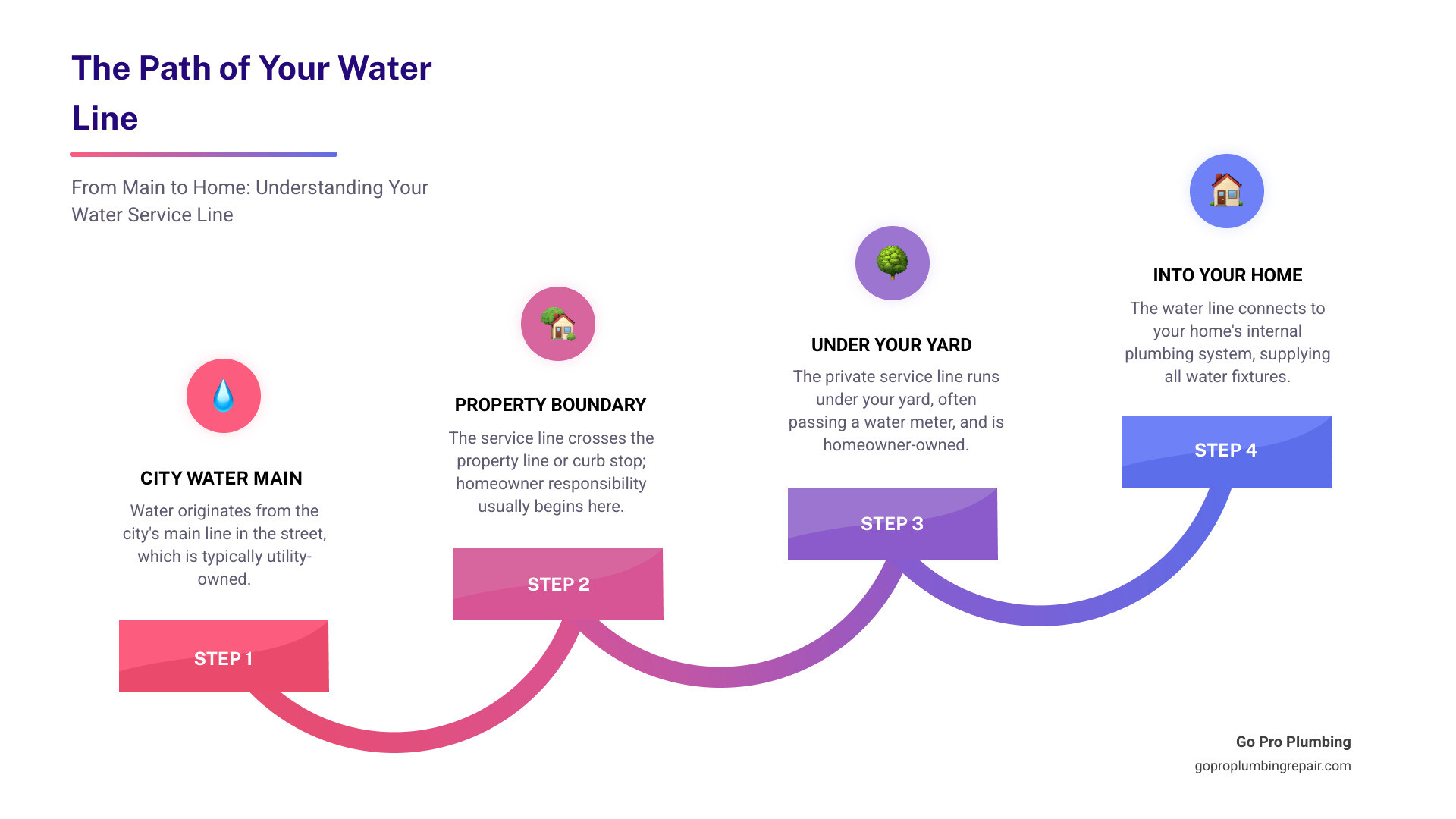
Responsibility is divided. Your local utility owns the pipe from the water main in the street to your property line or curb stop. As the homeowner, you own and are responsible for the line from that point all the way into your house. This includes all repairs and replacements on your portion. If you’re unsure where the division is, your local water provider can clarify.
How long does a water line replacement take?
Most residential replacements are completed in a single day, typically within 4 to 8 hours. Your water service will be shut off during this period. While unforeseen issues like extensive tree roots or rock formations can extend the timeline, we work efficiently to minimize downtime and restore your water as quickly as possible.
Do I need a permit for a water line replacement?
Yes, a permit is almost always required for a main water line replacement to ensure the work meets local safety codes. Permit costs generally range from $100 to $500. As your plumbing contractor, Go Pro Plumbing handles the entire permitting process for you, so you don’t have to worry about the paperwork.
Conclusion
Your home’s main water line is essential for your family’s health and your property’s value. Recognizing the warning signs of failure—like low pressure, discolored water, or soggy spots in your yard—is the first step in preventing a costly emergency. Modern materials like copper and PEX offer safe, long-lasting alternatives to failing lead or galvanized steel pipes.
While the thought of a water line replacement can be daunting, modern trenchless methods can minimize disruption to your property, and the project is often completed in just one day. For homes with lead service lines, replacement is a health imperative, and numerous financial assistance programs exist to help manage the cost.
This is not a DIY job. Professional installation is crucial to ensure the work is done correctly, safely, and up to code. At Go Pro Plumbing, we specialize in making the water line replacement process smooth and stress-free for Northern California homeowners. Our commitment to same-day service and customer satisfaction means you get reliable results without the wait.
If you’re experiencing any issues with your water line, don’t hesitate. Contact us for professional main water line replacement in Sacramento and the surrounding areas. Let’s ensure your home has a safe and dependable water supply for decades to come.