
Decoding Your Basement’s Plumbing: A Comprehensive Guide
By Brian on January 7, 2026
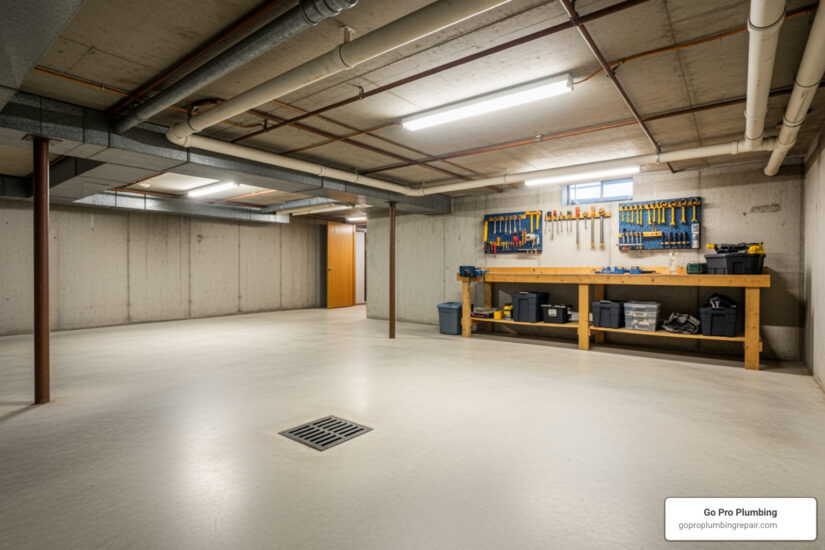
Why Your Basement Floor Drain Matters More Than You Think
A basement floor drain is your home’s first line of defense against water damage, flooding, and costly repairs. It’s a simple plumbing fixture installed at the lowest point of your basement floor that diverts water away from your foundation—protecting your home’s structural integrity and keeping your living space dry and healthy.
Quick Answer: What You Need to Know About Basement Floor Drains
- Purpose: Collects and diverts water from leaks, spills, condensation, and flooding
- Location: Installed at the lowest point of your basement floor
- Connection: Links to your main sewer line or a sump pump system
- Key Component: Contains a P-trap that prevents sewer gases from entering your home
- Common Issues: Clogs from debris, dry P-traps causing odors, and backups during heavy rain
- Maintenance: Pour water down the drain regularly and keep the grate clear
It’s rare to find a basement that doesn’t experience moisture issues at some point. When excessive moisture or active leaking results in standing water on the floor, the integrity of your building and the health of the people living in it are at risk. A functional basement floor drain is crucial for protecting your home from water damage and maintaining a healthy environment.
Current building codes mandate basement drainage systems in new construction, but many older homes in Northern California may lack adequate drainage—or have systems that need attention. Whether you’re dealing with a backed-up drain, mysterious odors, or standing water after a storm, understanding how your basement floor drain works can help you prevent serious damage and know when to call for professional help.
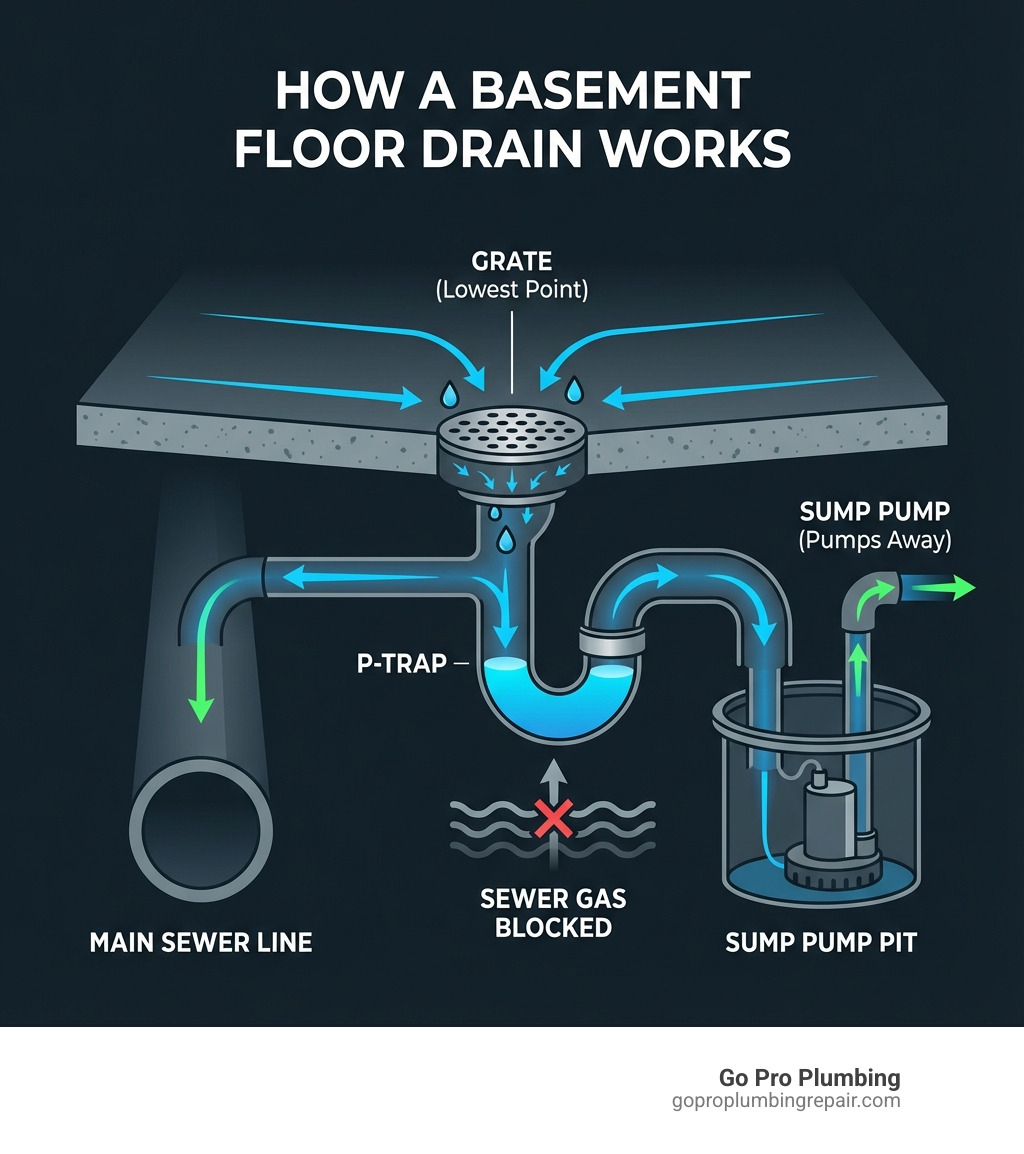
The Unsung Hero: What is a Basement Floor Drain and Why is it Crucial?
Imagine a sudden plumbing leak or a heavy Northern California rainstorm. Without a properly functioning basement floor drain, your basement can quickly become an indoor pool. This simple plumbing feature is placed at the lowest point of your basement floor, using gravity to guide water away from your home’s foundation and into the plumbing system.
Why It’s So Important
A reliable basement floor drain is crucial for several reasons. It’s your first line of defense against floods from burst pipes or overflowing appliances. By quickly removing water, it mitigates costly water damage to drywall, flooring, and personal belongings. A dry basement also prevents mold growth, protecting your family’s health and indoor air quality. Finally, it relieves hydrostatic pressure on your foundation, safeguarding your home’s structural integrity.
Ignoring your drain can lead to severe consequences, including structural damage to your foundation, ruined belongings, and health hazards from mold and mildew.
The Anatomy of Your Drain
Below the simple grate on your floor, a basement floor drain has a few key parts:
- Grate: Allows water in while blocking large debris.
- P-trap: A U-shaped pipe holding water to block sewer gases from entering your home.
- Cleanout: A plug providing access for clearing clogs.
- Connection: The drainpipe connects to either your main sewer line or a sump pit.
How a Basement Floor Drain Connects to Your Plumbing
Your basement floor drain integrates into your home’s plumbing in one of two ways:
- To the Main Sewer Line: In many homes, the drain connects directly to the municipal sewer system, carrying water away with the rest of your home’s wastewater.
- To a Sump Pit: In areas prone to flooding, the drain may lead to a sump pit. A sump pump then activates to pump the collected water away from your home.
In either setup, the P-trap is a vital component. This U-shaped pipe holds a small amount of water, creating a barrier that stops noxious sewer gases and odors from entering your basement. As the Michigan State University Environmental Health and Safety department notes, a foul smell could mean your drain’s P-trap has gone dry: “What’s that stink? It could be your drain.” A dry P-trap is a common source of basement odors.
A Tour of Basement Drainage Systems: Types and Functions
Keeping a basement dry in Northern California requires the right drainage system. The best solution depends on the water source (internal leak vs. groundwater), your basement type (finished or unfinished), and your budget.
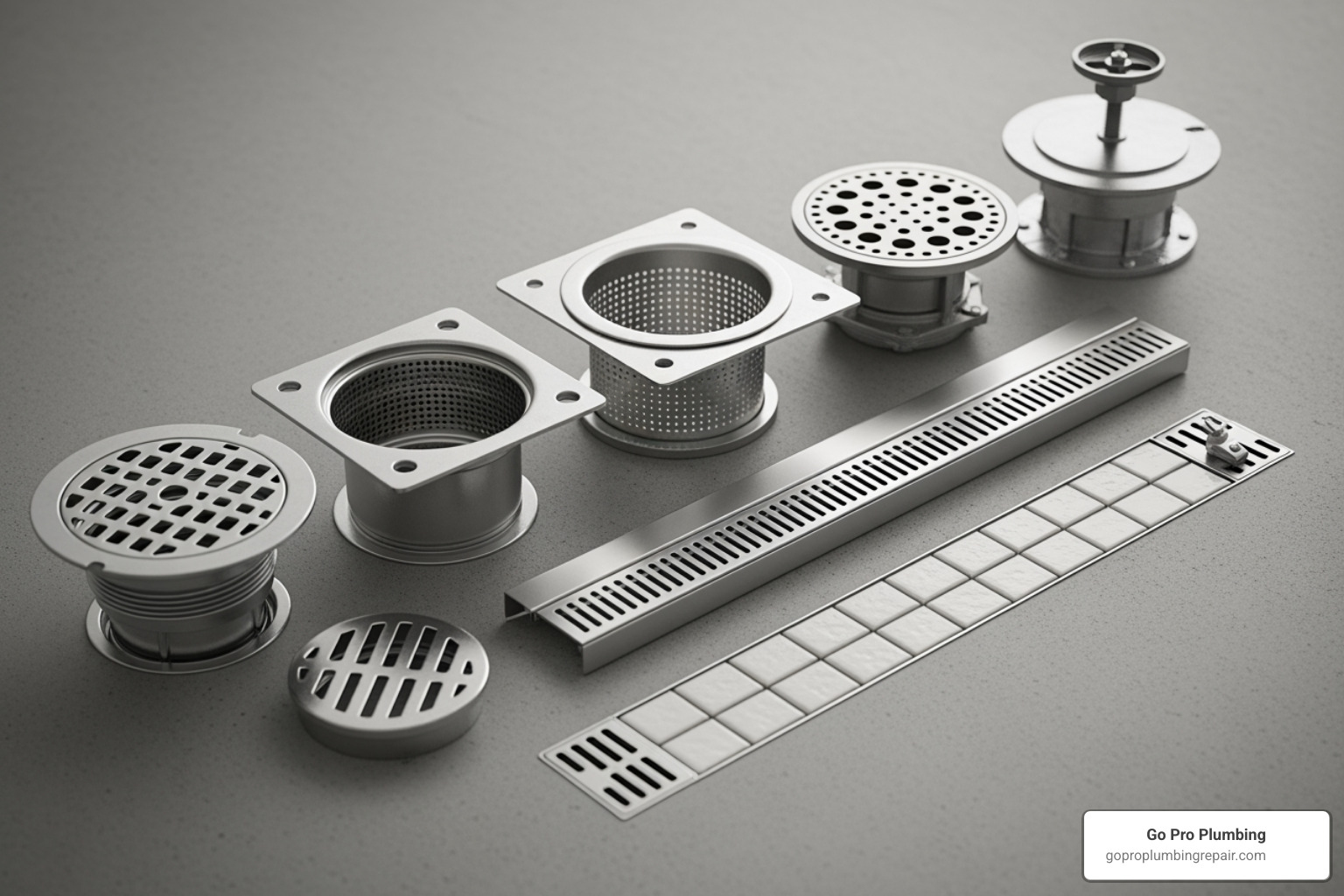
Current building codes mandate drainage systems in new construction, but older homes may need retrofitting. For a comprehensive overview of basement waterproofing, This Old House provides excellent insights in their “Basement Waterproofing 101: A Comprehensive Guide.”
Here’s a comparison of two common basement floor drain systems we install for our Northern California customers:
| Feature | Standard Floor Drain | Sump Pump System |
|---|---|---|
| Primary Function | Collects surface water from spills, leaks, and condensation | Collects groundwater and redirects it away from the basement |
| Water Source | Internal leaks (water heater, washer), minor spills | High water table, hydrostatic pressure, heavy rain |
| Components | Grate, P-trap, drainpipe, often connects to sewer | Sump pit (basin), sump pump, discharge pipe, check valve |
| How it Works | Water flows by gravity into plumbing system | Water collects in pit, pump activates to eject it |
| Pros | Simple, effective for small incidents, relatively inexpensive | Highly effective for large water volumes, protects against groundwater |
| Cons | Can be overwhelmed by large floods, prone to clogs | Relies on electricity, requires maintenance, higher installation cost |
| Ideal For | Utility areas, preventing minor damage from appliance failures | Basements in flood-prone areas, areas with high water tables |
Standard Floor Drains for Spills and Leaks
The standard basement floor drain is the familiar grate in the floor of a utility area. It’s designed to handle internal water sources like a leaking water heater or overflowing washing machine. The floor is sloped to direct water into the drain, which connects to your sewer line or a sump pit.
- Pros: Simple, cost-effective, and excellent for catching localized leaks from appliances.
- Cons: Can be overwhelmed by major flooding, is prone to clogs, and can release sewer gas if the P-trap dries out.
The Role of the Sump Pump
For serious water issues like groundwater intrusion, a standard drain isn’t enough. A sump pump system is necessary.
- How It Works: Water from the floor drain or groundwater seepage collects in a basin called a sump pit. When the water reaches a certain level, a float switch activates the pump, which expels the water through a discharge pipe far away from your foundation. As experts note, a sump pump system is “reliable even during heavy rains.” You can learn more from resources like “Drain or Sump Pump Installed in Basements or Crawlspaces.”
- When It’s Necessary: Sump pumps are essential for basements in flood-prone areas, homes with high water tables, or those with poorly draining soil.
- Pump Types: There are two main types: submersible pumps, which sit inside the pit and are quieter and more powerful, and pedestal pumps, where the motor is above the pit, making them noisier but often longer-lasting (up to 10 years) and more affordable. The right choice depends on your budget and needs.
Common Problems with Your Basement Floor Drain and How to Fix Them
Even a robust basement floor drain can have issues. Recognizing the signs early can save you from water damage and costly repairs.

Signs of Trouble
Watch for these common indicators of a drain problem:
- Slow Draining: Water pools and takes a long time to disappear.
- Gurgling Sounds: Indicates trapped air, often a precursor to a clog.
- Foul Odors: A sewage smell usually means a dry P-trap or a clog.
- Water Backups: The most alarming sign, where water pushes up from the drain.
Common Causes of Clogs and Backups
Clogs and backups are often caused by:
- Debris: Dirt, hair, laundry lint, and soap scum can build up over time.
- Main Sewer Line Issues: If multiple drains in your home are slow, the problem may be in your main sewer line, possibly from tree roots or flushed debris.
- Heavy Rainfall: In Northern California, intense rain can overwhelm municipal sewers, causing backups into basements.
- Poor Installation: An improperly installed drain with an insufficient slope can lead to chronic issues.
DIY Fixes for a Clogged Basement Floor Drain
For minor clogs, you can try these fixes before calling a professional:
- Plunger: A few strong plunges can dislodge surface-level blockages.
- Drain Snake (Auger): Feed a hand-held snake into the pipe to break up or retrieve deeper clogs.
- Boiling Water: Pouring boiling water down the drain can help dissolve grease or soap scum.
- Natural Cleaners: For minor odors, a mix of baking soda and vinegar can help. We recommend avoiding harsh chemical drain cleaners, as they can damage pipes.
When to Call a Professional Plumber
Some problems require an expert. Call Go Pro Plumbing if you experience:
- Persistent Clogs: DIY methods fail to clear the blockage.
- Multiple Drains Backing Up: This strongly indicates a main sewer line issue.
- Suspected Main Line Issue: Problems like tree roots or pipe damage require professional tools like hydro-jetters and sewer cameras.
- Water Damage: If water is causing damage, our same-day service in Northern California can provide a rapid response.
- Structural Drain Problems: If you suspect the drain is damaged or was poorly installed, a professional assessment is necessary.
Maintenance, Prevention, and Installation
A little care goes a long way in keeping your basement floor drain functional and preventing messy breakdowns.
Preventative Maintenance for a Healthy Drain
Regular attention can help you avoid major headaches. Here are a few key tips:
- Regularly Pour Water: If your drain isn’t used often, its P-trap can dry out. Pour a gallon of water down the drain every few weeks to keep the water seal intact and block sewer gases.
- Keep the Grate Clean: Regularly clear debris, dirt, and lint from the drain grate to ensure water can flow freely and prevent clogs.
- Annual Inspections: Consider a yearly professional inspection of your drain and main sewer line, especially in older homes, to catch problems early.
- Avoid Pouring Grease or Oil: Never pour grease, oil, or coffee grounds down any drain, as they can solidify and create stubborn blockages.
Installing a Basement Floor Drain in an Existing Home
If your older Northern California home lacks a basement floor drain, adding one is a valuable investment.
- The Retrofitting Process: Installing a drain in an existing home involves cutting the concrete slab, excavating, installing the new drain assembly and P-trap, and pouring new concrete.
- Professional Installation Recommended: This is a complex job requiring specialized tools and expertise. A DIY attempt can lead to improper drainage or code violations. Our team at Go Pro Plumbing can handle these installations correctly and efficiently.
- Cost: While costs vary, installing a floor drain in an older basement can cost approximately $5000. This is often far less than the cost of repairing extensive water damage from a flood.
Frequently Asked Questions about Basement Drains
Here are answers to common questions we hear from our customers in Rancho Cordova, Sacramento, and throughout Northern California.
Why is water coming up from my basement floor drain?
Water backing up from your basement floor drain is a serious sign. The most common causes are:
- Sewer Backup: A blockage in your main sewer line or the municipal system can force wastewater up through the lowest drain in your home.
- Heavy Rain: Intense rainfall can overwhelm city sewers, causing them to back up into basements.
- Clogged Main Line: A severe clog from tree roots or debris in your home’s main line can also cause backups.
If this happens, avoid using water and call a professional plumber immediately.
What’s the sewer smell coming from my drain and how do I fix it?
An unpleasant sewer smell is almost always caused by a dry P-trap. The U-shaped pipe under the drain is meant to hold water, which creates a seal against sewer gases. If the water evaporates, the gases can escape.
- The Fix: Simply pour a few gallons of water into the basement floor drain to refill the P-trap and restore the seal. If the odor persists, you may have a clog or a cracked pipe, which requires professional attention.
Do basement floor drains connect to the sewer or a sump pump?
It depends on your home’s age and design. Both are common in Northern California.
- Sewer Connection: Many drains connect directly to the municipal sewer line, carrying water away with other household wastewater.
- Sump Pump Connection: In areas prone to flooding, drains often lead to a sump pit. A pump then ejects the water away from your home.
If you’re unsure about your system, a professional plumber can identify it and ensure it’s working correctly.
Conclusion: Keep Your Basement Dry and Your Home Protected
Your basement floor drain might not be the most glamorous part of your home’s plumbing, but it’s undoubtedly one of the most critical. From preventing catastrophic floods to safeguarding your family’s health by averting mold growth, a functional drainage system is an indispensable asset for any Northern California homeowner.
We’ve explored why these drains are so important, the different types available, common problems like clogs and odors, and how a little preventative maintenance can go a long way. Recognizing the signs of trouble early and taking action can save you from significant stress and costly repairs.
At Go Pro Plumbing, we understand the unique plumbing challenges faced by homes in Rancho Cordova, Sacramento, and throughout Northern California. Our commitment to outstanding customer service and same-day service means we’re always ready to help you maintain a dry, healthy, and protected basement. Don’t let a small issue turn into a big flood – if you’re experiencing any basement floor drain concerns, we’re just a call away.
Get professional help with your sewer cleanout in the basement.