
The Gurgle, The Smell, The Horror: How to Spot a Main Sewer Line Clog
By Brian on July 4, 2026
Unmasking the Main Sewer Line Clog: Your First Alert
Wondering how to know if main sewer line is clogged? This is a critical plumbing issue. It’s often more serious than a simple drain clog. Knowing the signs early can save you a lot of trouble and money.
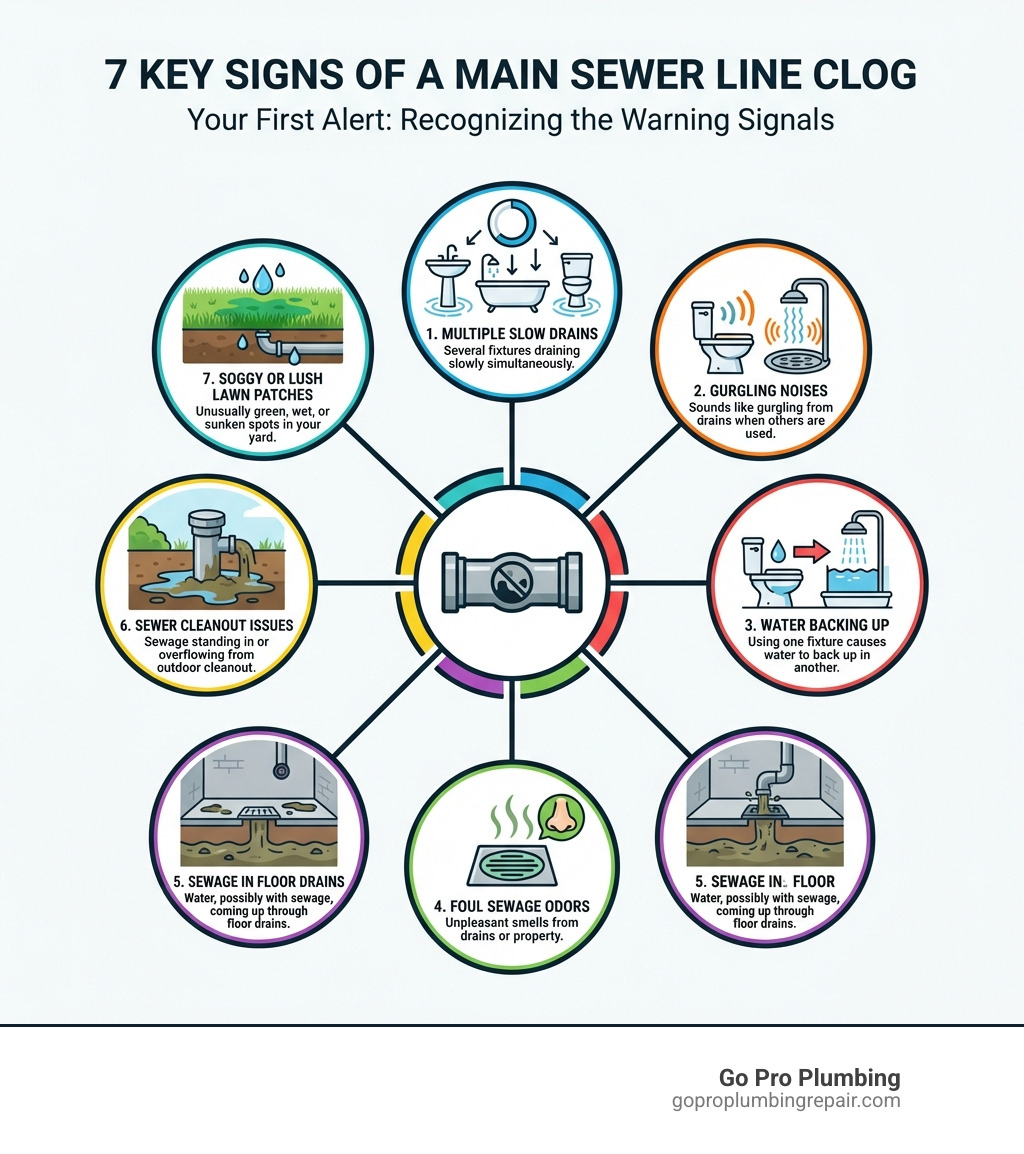
Here are the clearest signs to watch for:
- Multiple slow drains: If several sinks, tubs, or toilets are draining slowly at once, it’s a strong indicator.
- Gurgling noises: Sounds like gurgling from toilets or drains, especially when another fixture is used.
- Water backing up: When you use one fixture (like flushing a toilet), water backs up in another (like a shower or sink).
- Foul sewage odors: Unpleasant smells coming from drains or around your property.
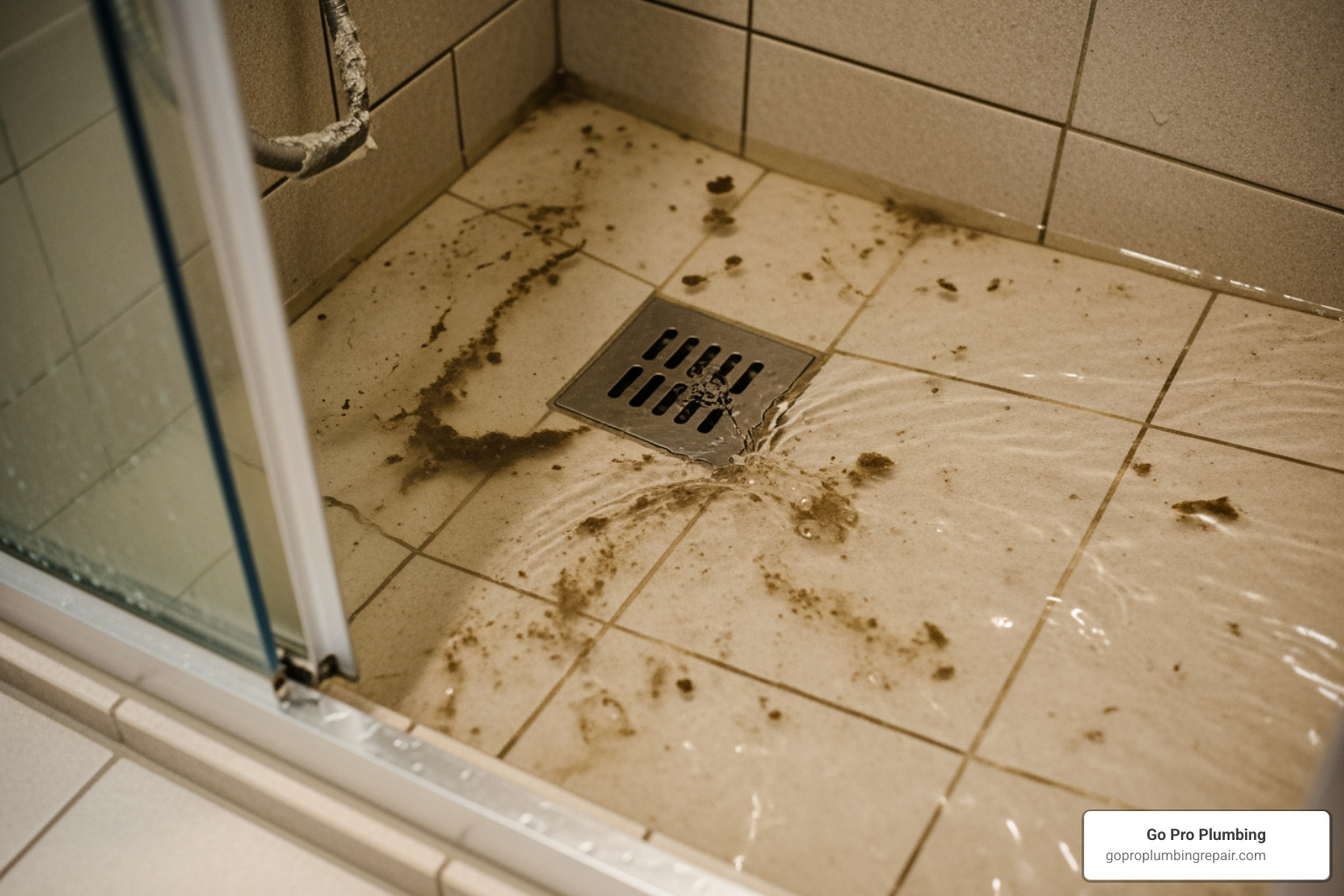
- Sewage in floor drains: Water, possibly with sewage, coming up through basement floor drains.
- Sewer cleanout issues: Sewage standing in or overflowing from your outdoor sewer cleanout pipe.
- Soggy or lush lawn patches: Unusually green or wet spots in your yard can signal a leak.
A clogged main sewer line isn’t just an inconvenience. It can lead to major disruptions and costly water damage. Left unchecked, it can even pose health risks from exposure to raw sewage. This guide will help you understand these warning signs. You’ll learn how to tell the difference between a minor clog and a serious main line problem.
How to know if main sewer line is clogged word roundup:
7 Warning Signs: How to Know if Main Sewer Line is Clogged
When it comes to your home’s plumbing, the main sewer line is the “trunk” of the tree. Every drain in your house—from the kitchen sink to the master bath toilet—eventually feeds into this single, large pipe that carries waste away to the municipal system in Sacramento or Rancho Cordova. When this “trunk” gets blocked, the entire system feels the pressure.
If you are trying to figure out how to know if main sewer line is clogged, you need to look for system-wide symptoms rather than isolated ones. Here are the seven most common sewer line blockage indicators we see in Northern California:
- Multiple Backed-Up Fixtures: If your toilet is overflowing and your shower is filling with water at the same time, it’s not a coincidence. It’s a main line issue.
- Unexplained Gurgling: Have you ever heard your sink “talk” back to you? Gurgling sounds occur when air is trapped by a blockage and forced back up through the water in your P-traps.
- The “Slow Motion” Drain: One slow drain is a nuisance; five slow drains are a crisis. If every fixture in the house is sluggish, the clog is deep in the main line.
- Foul Odors: A healthy sewer system is airtight. If you smell “rotten eggs” or raw sewage in your basement or yard, there is a breach or a backup forcing gases into your living space.
- Water at the Cleanout: If you open your outdoor cleanout pipe and see standing water or waste, the clog is definitely between that point and the street.
- Lush, Green Patches: In our dry Northern California climate, a patch of grass that is suddenly vibrant and spongy usually means it’s being “fertilized” by a leaking sewer pipe.
- Foundation Issues: In extreme cases, a broken or clogged line can saturate the soil under your home, leading to cracks in the slab or walls.
How to Know if Main Sewer Line is Clogged Using the Fixture Test
One of the easiest ways to diagnose a main-drain-clog is to play “plumbing detective” with a few simple tests. Since all your pipes are connected, using one fixture will often trigger a reaction in another if there is a blockage.
- The Toilet-to-Shower Test: Flush your toilet. Does the water level in your shower or bathtub rise? This happens because the water has nowhere to go and seeks the lowest available exit—usually the shower drain.
- The Washing Machine Test: Run your washing machine. If your kitchen sink starts gurgling or the toilet overflows while the machine is draining, you likely have a main line blockage. The high volume of water from a washer often “exposes” a clog that smaller fixtures might not trigger immediately.
- The Sink-to-Toilet Test: Run the water in your bathroom sink for a minute. If you see bubbles in the toilet bowl or the water level rises, the air is being pushed back through the system by a clog.
Sewage in the Floor Drain or Cleanout
In many homes around Sacramento, floor drains are located in the basement, garage, or laundry room. These are designed to be a “secondary gateway” for excess water. However, during a main line clog, they become the first place sewage reappears.
If you notice wastewater pooling around a floor drain, do not ignore it. This is a clear sign that the sewage line is full and looking for an escape. Similarly, checking your sewer cleanout is a definitive way to confirm the problem. The cleanout is typically a 4-inch pipe with a cap located in your yard or near the foundation. If you remove the cap and see sewage standing in the pipe, you have a confirmed sewer-clog-service emergency.
Differentiating Between Local Clogs and Main Line Failures
It is easy to panic when a drain stops working, but not every clog requires a major repair. Understanding the difference between a local clog and a main line failure can save you from unnecessary stress.
| Feature | Local Drain Clog | Main Sewer Line Clog |
|---|---|---|
| Affected Fixtures | Only one (e.g., just the sink) | Multiple fixtures throughout the house |
| Gurgling Sounds | Localized to the blocked fixture | Heard in toilets and showers across the home |
| Plunger Success | Often clears the hair or soap buildup | Usually does nothing or makes it worse |
| Reactionary Backups | Using the sink doesn’t affect the tub | Flushing the toilet causes the tub to fill |
| Odors | Minimal or localized | Pervasive sewage smell in yard or basement |
How to Know if Main Sewer Line is Clogged vs. a Simple Drain Clog
A simple drain clog is usually located within the “branches” of your plumbing system. It might be a clump of hair in the shower or too many potato peels in the kitchen disposal. These are isolated. You can use an unclog-sewer-drain method like a small hand snake or a plunger to fix these.
However, a main line clog affects the “trunk.” According to our clogged-sewer-line-service-complete-guide, the biggest differentiator is simultaneous failure. If your kitchen sink is slow, it’s a kitchen problem. If your kitchen sink, guest bath, and master suite are all backing up at the same time, the problem is deep underground in the main line.
Common Causes of Sewer Line Blockages
Why do these clogs happen in the first place? In Northern California, we see several recurring villains in sewer-line-repair.
- Tree Root Intrusion: This is the #1 cause of sewer issues in older Sacramento neighborhoods. Roots seek out moisture and can enter tiny cracks in clay or cast iron pipes. Once inside, they grow into a thick “root ball” that catches toilet paper and grease.
- Grease and Fat Buildup: Pouring bacon grease or cooking oil down the sink is a recipe for disaster. It solidifies as it cools, creating a fatberg that narrows the pipe over time.
- Flushable Wipes: Despite the name, “flushable” wipes do not break down like toilet paper. They often get snagged on pipe imperfections and create massive blockages.
- Pipe Collapse: Older pipes made of Orangeburg (tar paper) or clay can simply deteriorate and collapse under the weight of the soil, completely blocking the flow.
- Foreign Objects: We’ve seen everything from children’s toys to cell phones stuck in main lines. If it shouldn’t be flushed, don’t flush it!
Environmental Indicators of a Sewer Line Break
Sometimes, the signs aren’t inside your house—they’re in your yard. If your sewer line has a break or a severe clog that is causing a leak, the environment will react.
- Soggy Lawn: If it hasn’t rained in Rancho Cordova for weeks but you have a swampy spot in your yard, your sewer line is likely leaking.
- Lush, Green Grass: While we all want a green lawn, a single patch of grass that grows faster and greener than the rest is a red flag.
- Pest Infestation: Rats and cockroaches are attracted to the smell of sewage. If you suddenly have a pest problem near your foundation, they might be entering through a cracked sewer pipe.
- Algal Blooms: If you live near a creek or pond and notice sudden, thick green algae, it could be caused by nitrogen-rich wastewater leaking from your property.
Immediate Actions and Professional Solutions
If you’ve confirmed a main line clog, your first step should be to stop using water. Every time you flush or run a tap, you are adding more volume to a system that cannot drain, which will lead to a messy backup in your home.
Locate your main water shutoff valve and turn it off to prevent anyone in the household from accidentally making the problem worse. Once the water is off, it’s time to call in the experts for sewer-and-drain-emergency-services.
Why DIY Methods for a Main Sewer Line Clog are Risky
We know it’s tempting to head to the hardware store and buy the strongest chemical cleaner available, but when it comes to a main line, unclog-sewer DIY attempts can be dangerous.
- Chemical Hazards: Most store-bought cleaners are highly corrosive. They can eat through older pipes, turning a simple clog into a full sewer-line-replacement job. Plus, they rarely work on major blockages like tree roots.
- Physical Damage: Using a motorized snake without proper training can lead to the cable getting stuck or even puncturing a weakened pipe.
- Health Risks: Raw sewage contains bacteria, viruses, and parasites. Without professional-grade safety gear, you risk serious illness.
Before starting any DIY plumbing project, main lines are under pressure and often involve hazardous waste.
Professional Tools: Camera Scoping and Hydro-Jetting
When we arrive at your home, we don’t guess—we investigate. Modern technology allows us to see exactly what is happening inside your pipes.
- Video Camera Inspection: We use a high-definition waterproof camera on a flexible cable to travel through your line. This allows us to see if you have roots, a collapse, or just a heavy grease clog. Our sewer-line-locator-service can then pinpoint the exact spot of the problem so we don’t have to dig up your whole yard.
- Hydro-Jetting: This is like a pressure washer for your pipes. It uses high-pressure water to blast away grease, scale, and even small tree roots, leaving the pipe walls clean. It’s the gold standard for hydro jetting Sacramento CA.
- Motorized Snakes: For heavy-duty blockages like large roots or solid objects, we use industrial-strength augers to break through the obstruction.
Frequently Asked Questions about Sewer Clogs
Where is my main sewer line cleanout located?
The cleanout is your “window” into the sewer system. In Northern California, it is usually located:
- Outside: Look for a white or black plastic cap (or a brass one in older homes) near the foundation of your house, often hidden by bushes.
- In the Basement or Garage: It may be a capped pipe protruding from the floor.
- Near the Sidewalk: Some local codes in Sacramento require a cleanout near the property line.
If you can’t find it, our clean-line-sewer experts can help you locate it using electronic equipment.
How can I prevent my main sewer line from clogging?
Prevention is much cheaper than repair! Here is how to stay in the clear:
- Watch What You Flush: Only flush the “Three Ps” (Pee, Poop, and Paper).
- Scrape the Plates: Never put grease, oil, or coffee grounds down the sink.
- Use Strainers: Catch hair and food particles before they enter the system.
- Annual Inspections: A quick camera check once a year can catch tree roots before they cause a backup. Check out our guide on sewer-backup-prevention for more tips.
What are the long-term risks of ignoring a clog?
Ignoring a clog is like ignoring a ticking time bomb. Eventually, it will explode—literally.
- Mold Growth: Sewage backups introduce moisture and bacteria into your walls and floors, leading to toxic mold.
- Structural Damage: Constant leaks can wash away the soil under your foundation, leading to “bellying” pipes or foundation failure.
- Health Hazards: Exposure to sewer gas and raw wastewater can cause respiratory issues and infections.
- Increased Cost: A simple cleaning is affordable. A full sewer-line-replacement-cost-guide will show you that replacing a collapsed line is a major investment.
Conclusion
Knowing how to know if main sewer line is clogged is the first step in protecting your home from a plumbing disaster. From the first gurgle in the toilet to the sight of standing water in your cleanout, these signs are your home’s way of asking for help.
At Go Pro Plumbing, we understand that a sewer emergency can’t wait. That’s why we offer same-day service throughout Sacramento, Rancho Cordova, and the surrounding Northern California areas. Our team is committed to outstanding customer service and using the latest technology to get your life back to normal.
Don’t let a small gurgle turn into a major horror story. If you suspect a clog, contact us today for More info about sewer line services. We’ll clear the way!