
Get Water Pump Installation Cost: A Quick Start Guide (62 characters)
By Brian on September 12, 2026
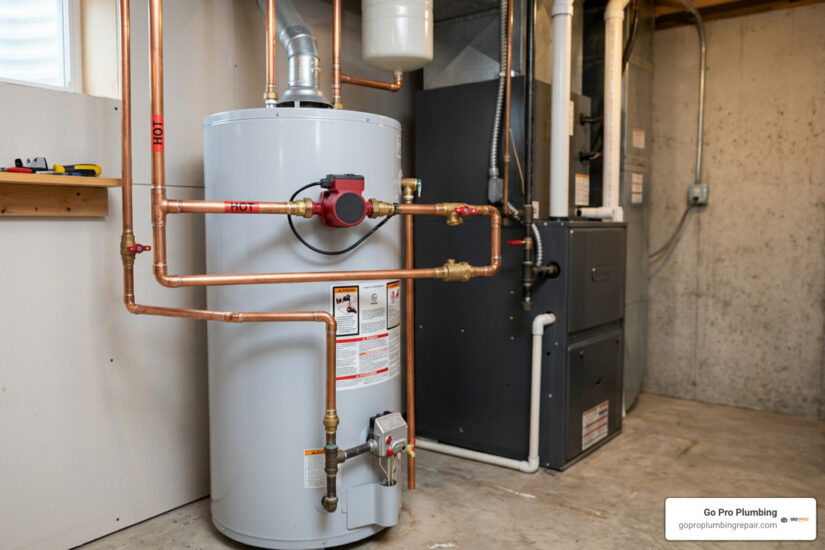
Average Cost to Install Water Pump by System Type
Water pumps are designed to perform specific jobs in a residential plumbing ecosystem. Because different pumps handle varying workloads, depths, and pressures, the price you pay to purchase and set up the unit will depend heavily on the system design. According to the Water Pump Installation Cost Guide – Current Cost, baseline equipment expenses can range from $180 for entry-level units up to $2,200+ for heavy-duty well assemblies, with total installed costs moving higher based on system complexity.
The table below breaks down typical cost ranges across common residential pump configurations:
| Pump Type | Hardware Only | Labor & Installation | Typical Total Cost |
|---|---|---|---|
| Shallow Well Jet Pump | $150 – $350 | $150 – $400 | $300 – $750 |
| Deep Well Jet Pump | $300 – $700 | $400 – $900 | $700 – $1,600 |
| Submersible Well Pump | $400 – $1,400 | $500 – $1,600 | $900 – $3,000 |
| Whole-Home Booster Pump | $300 – $900 | $350 – $800 | $650 – $1,700 |
| Hot Water Recirculation Pump | $200 – $500 | $200 – $500 | $400 – $1,000 |
| Basement Sump Pump | $150 – $450 | $200 – $550 | $350 – $1,000 |
Residential Well vs Booster Cost to Install Water Pump
Well pumps and whole-home booster pumps serve distinct roles. A well pump extracts water directly from an underground aquifer and delivers it under pressure to your home. Shallow jet pumps sit above ground and pull water from depths up to 25 feet, making them relatively fast and affordable to replace. In contrast, deep submersible pumps sit hundreds of feet below the surface. Extracting the old unit and setting a new one requires safety equipment, torque arrestors, and heavy-duty wiring, making it a more labor-intensive project.
Pressure booster systems sit directly on the municipal supply line inside the home to increase incoming water pressure. If you suffer from low pressure during showers or appliance cycles, a booster pump provides immediate relief. Homeowners looking to eliminate wait times for hot taps often pair booster solutions with a dedicated hot water recirculating pump, ensuring balanced pressure and rapid delivery throughout the building.
Specialty Circulation and Drainage Pump Options
Beyond standard supply pumps, homes frequently rely on auxiliary pumps for drainage and hot water efficiency. Sump pumps remove perimeter ground water before it floods basements or crawlspaces. Circulation systems, on the other hand, constantly cycle warm water through domestic piping.
If you are exploring ways to cut daily water waste, reviewing our hot water recirculation complete guide will show you how an inline pump saves thousands of gallons annually by maintaining an on-demand temperature loop.
Key Factors Influencing Total Installation Expenses
Every home has unique layout requirements, which is why two properties with the same pump model can receive different estimates. When we assess projects, we evaluate the system holistically:
- Depth and Head Height: The vertical distance water must travel increases the required horsepower and static head capability, raising pump costs.
- Horsepower (HP) & Flow Rate (GPM): Sizing a pump accurately ensures adequate volume. Standard homes use 0.5 to 1.5 HP units; larger properties may need 2 to 5 HP motors.
- Site Accessibility: Pumps located in tight crawlspaces, steep terrain, or deep pits take more labor hours to service safely.
- Electrical Supply: Motors require dedicated 115V or 230V circuits. If your breaker panel is full or lacks proper surge protection, panel updates will be needed.
- System Tie-Ins: Connecting directly to main lines requires tested backflow devices, pressure relief valves, and secure fittings.
When managing complex water infrastructure upgrades, utilizing comprehensive services for water systems ensures your plumbing meets all safety and performance standards.
Labor Rates, Regional Trends, and Permitting Fees
Plumbing labor rates generally range between $75 and $150 per hour nationwide, but regional factors in Northern California, including Sacramento and Rancho Cordova, can push specialized labor higher. Complex pump placements requiring a two-person crew for several hours will naturally carry higher labor charges than quick surface-level swaps.
According to data modeled in the Well Pump Cost Calculator (2026) — Free Online Estimate | HomeCostCalc, regional construction adjustments and municipal permits ($50 to $300+) play a significant role in total project budgeting.
Crucial System Add-Ons: Tanks, Switches, and Lines
A water pump rarely functions alone. It operates alongside an interconnected network of storage tanks and controls:
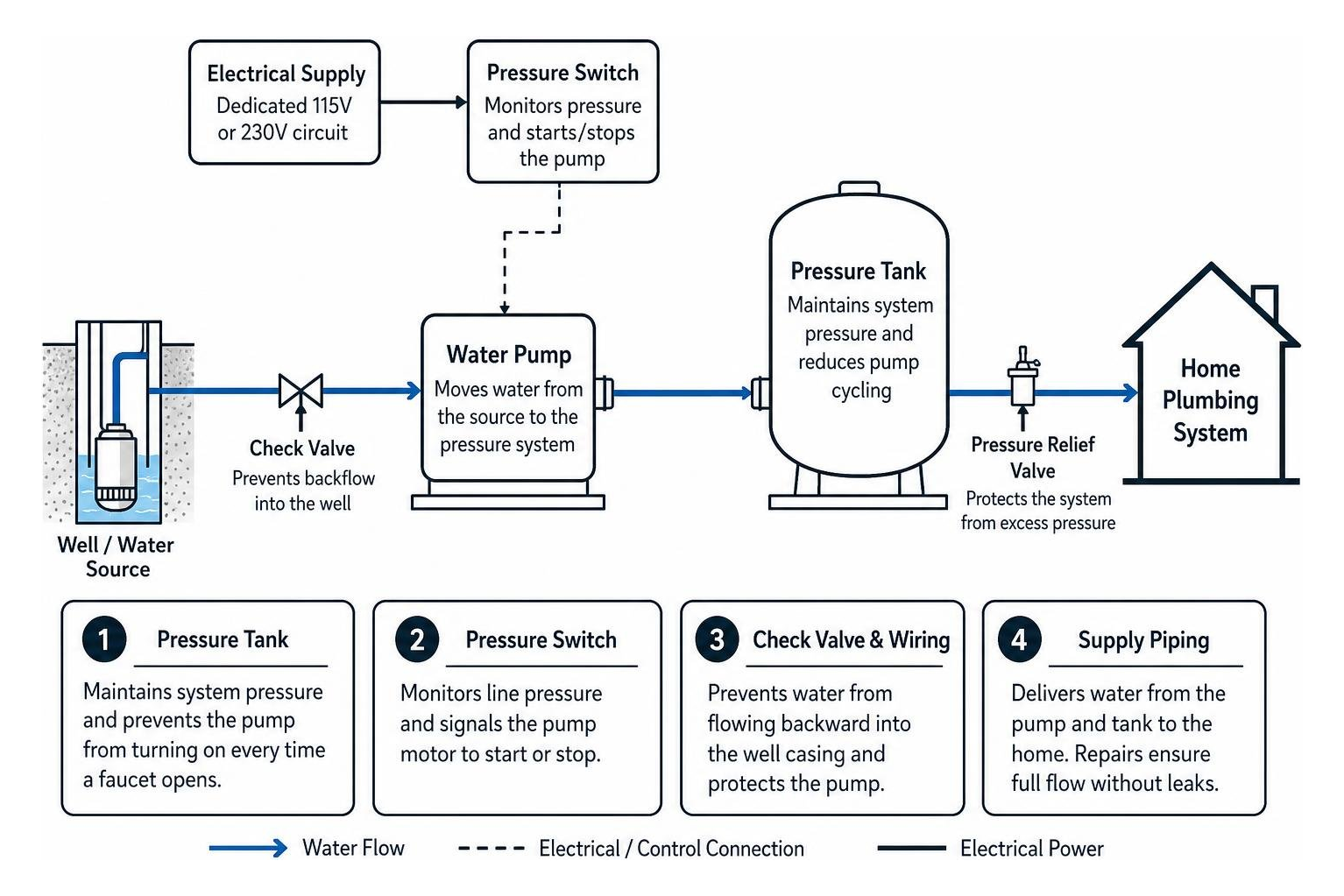
- Pressure Tanks ($300 – $1,200): Maintains system pressure and prevents your pump from turning on every single time a faucet opens.
- Pressure Switches ($40 – $120): Monitors line pressure and signals the motor to start or stop.
- Check Valves & Wiring ($50 – $250): Prevents water from flowing backward into the well casing and protects internal impellers.
- Supply Piping: If ground movement or tree roots have damaged underground pipe sections, scheduling water line repair in Sacramento CA will restore full flow without leaking water underground.
Warning Signs That Your Water Pump Needs Replacement
Water pumps rarely fail without giving early warning signs. Keeping an eye on daily plumbing performance helps catch minor component problems before the motor burns out completely.

Watch for these primary indicators:
- Noticeable Drops in Pressure: Showers suddenly turning weak or sprinkler zones losing range.
- Rapid Cycling (Clicking Sounds): The pressure switch clicks on and off every few seconds, often pointing to a waterlogged tank or failing check valve.
- Sputtering Faucets: Air pockets in supply lines caused by cracked intake pipes or dropped water levels.
- Unusual Grinding or Humming: Failing bearings produce low-pitched squealing or grinding noises during operation.
- Spike in Electric Bills: A pump running continuously due to worn internal impellers acts like a marathon runner, driving up electric bills.
Expected Lifespan and Component Degradation
Residential water pumps generally deliver an operational lifespan of 8 to 15 years. High-quality submersible units from reputable manufacturers often reach the 15-year mark when paired with clean water and proper cycle management. However, heavy sediment, frequent power surges, poor water chemistry, or an undersized pressure tank will cut motor life short.
Installation Timeline, Labor, and Project Execution
A standard surface-mounted pump replacement takes between 2 and 4 hours, while pulling and replacing a deep-well submersible unit generally takes 4 to 6 hours. If deep casing repairs or trenching are required, work can extend to a full day.
When updating main supply pipes alongside a pump overhaul, reviewing our water line replacement complete guide provides clear insights on modern installation practices and trenchless piping options.
DIY vs Professional Cost to Install Water Pump Considerations
While replacing a shallow utility or jet pump is within reach for an experienced DIY enthusiast, tackling deep submersible units presents major safety hazards:
- High Voltage: Pump controls carry 230-volt lines that require strict adherence to local electrical codes.
- Drop Pipe Risks: A 200-foot column of water, pipe, and pump weighs hundreds of pounds. Dropping a pump down a well casing during removal can cost thousands in recovery fees.
- Sanitary Seals: Wells require certified sanitary caps to prevent surface runoff and bacteria from contaminating your drinking supply.
- Warranties: Professional installations include labor warranties and preserve manufacturer coverage.

Frequently Asked Questions About Water Pump Installation
How long does it take to replace a residential water pump?
Most residential replacements take between 2 and 5 hours. Above-ground booster and jet pumps are completed quickly, while deep-well systems take longer due to the time required to safely hoist pipe sections.
Should I replace my pressure tank when installing a new water pump?
If your pressure tank is over 8 to 10 years old, shows signs of internal bladder failure, or is waterlogged, replacing it at the same time is highly recommended. Bundling this installation saves on labor costs and protects your new pump motor from rapid cycling.
How much of the total cost is labor versus equipment?
Labor generally accounts for 40% to 60% of the total installation invoice on complex installations. This pays for specialized hoisting equipment, electrical wiring, system pressure calibration, and post-installation sanitation testing.
Conclusion
A dependable water pump is essential for healthy water pressure and consistent daily flow. Whether you are replacing a worn well pump, adding an inline booster, or upgrading your plumbing with modern circulation units, knowing what drives project expenses ensures you can budget with total confidence.
At Go Pro Plumbing, we take pride in serving Sacramento, Rancho Cordova, and the broader Northern California region with reliable plumbing solutions and same-day service. When you are ready to upgrade your home’s water delivery, explore our professional water recirculation pump installation services or reach out to our licensed team for a transparent, on-site project estimate today.