
The Bronze Standard: Unpacking Recirculation and Secondary Circulation Pumps
By Brian on June 20, 2026
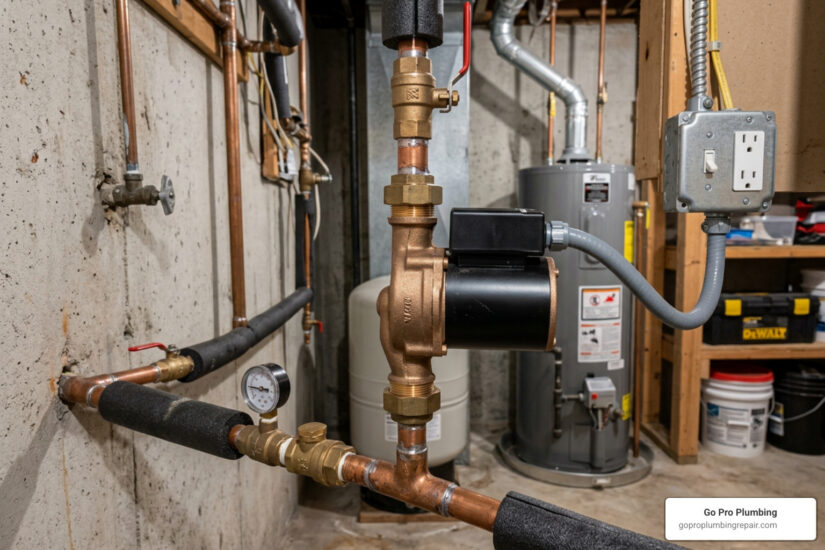
Why a Bronze Recirculation Pump Belongs in Your Hot Water System
A bronze recirculation pump is the go-to solution for homeowners who are tired of running the tap for minutes before hot water finally arrives. If you want the short version:
What is a bronze recirculation pump?
- A pump that keeps hot water continuously moving through your plumbing loop
- Made from lead-free bronze, making it safe for drinking water systems
- Used in residential and light commercial hot water systems
- Approved for potable water, solar, radiant, and hydronic applications
- Available from brands like Taco, Bell & Gossett, and Grundfos
That wait at the tap is more than just annoying. Every minute you run cold water down the drain while waiting for hot water is wasted water and wasted money. In a state like California, where water conservation matters, that adds up fast.
Bronze pumps solve this by keeping water moving through a dedicated return loop — so hot water is always ready the moment you turn the tap.
But not all recirculation pumps are equal. The material the pump is made from matters enormously, especially when that pump is handling the water you drink and cook with every day.
Bronze has been the trusted standard for potable water systems for decades — and for good reason. It resists the corrosion that comes from oxygenated water, and modern lead-free bronze formulations meet today’s strict safety regulations.
This guide breaks down everything you need to know: how these pumps work, why bronze is the right material, how to choose the right model, and how to keep it running for years.
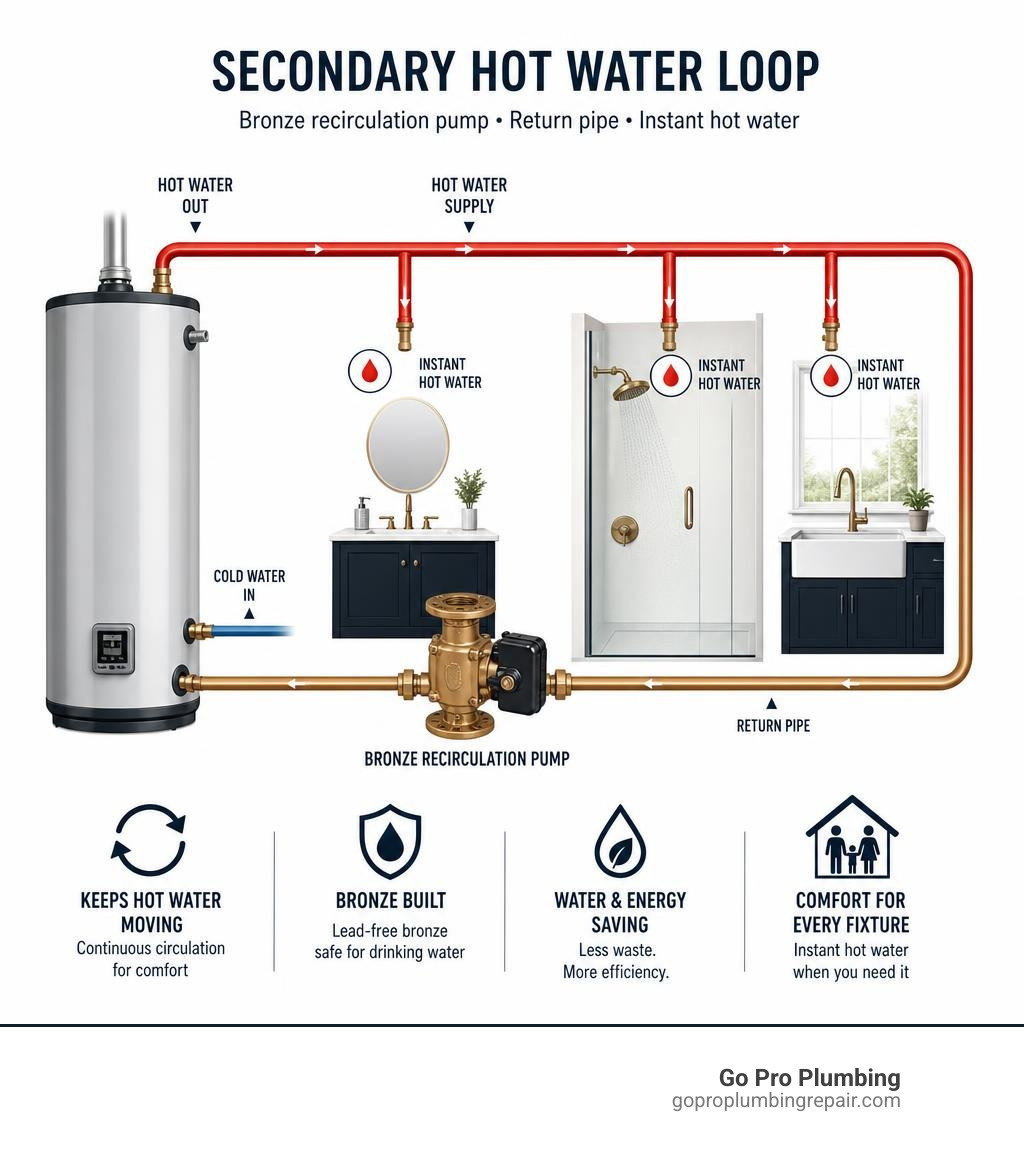
Bronze recirculation pump terms simplified:
Understanding Secondary Circulation and How It Works
In standard residential plumbing, hot water sits in the pipes after you turn off the tap. Over time, that water cools down. The next time you turn on the faucet, you have to flush out all that cold, stagnant water before the fresh hot water from your heater can reach you.
Secondary circulation, often called an open-loop or dedicated return system, solves this problem entirely. Instead of letting water sit and cool, a secondary loop connects the furthest fixture back to your water heater.
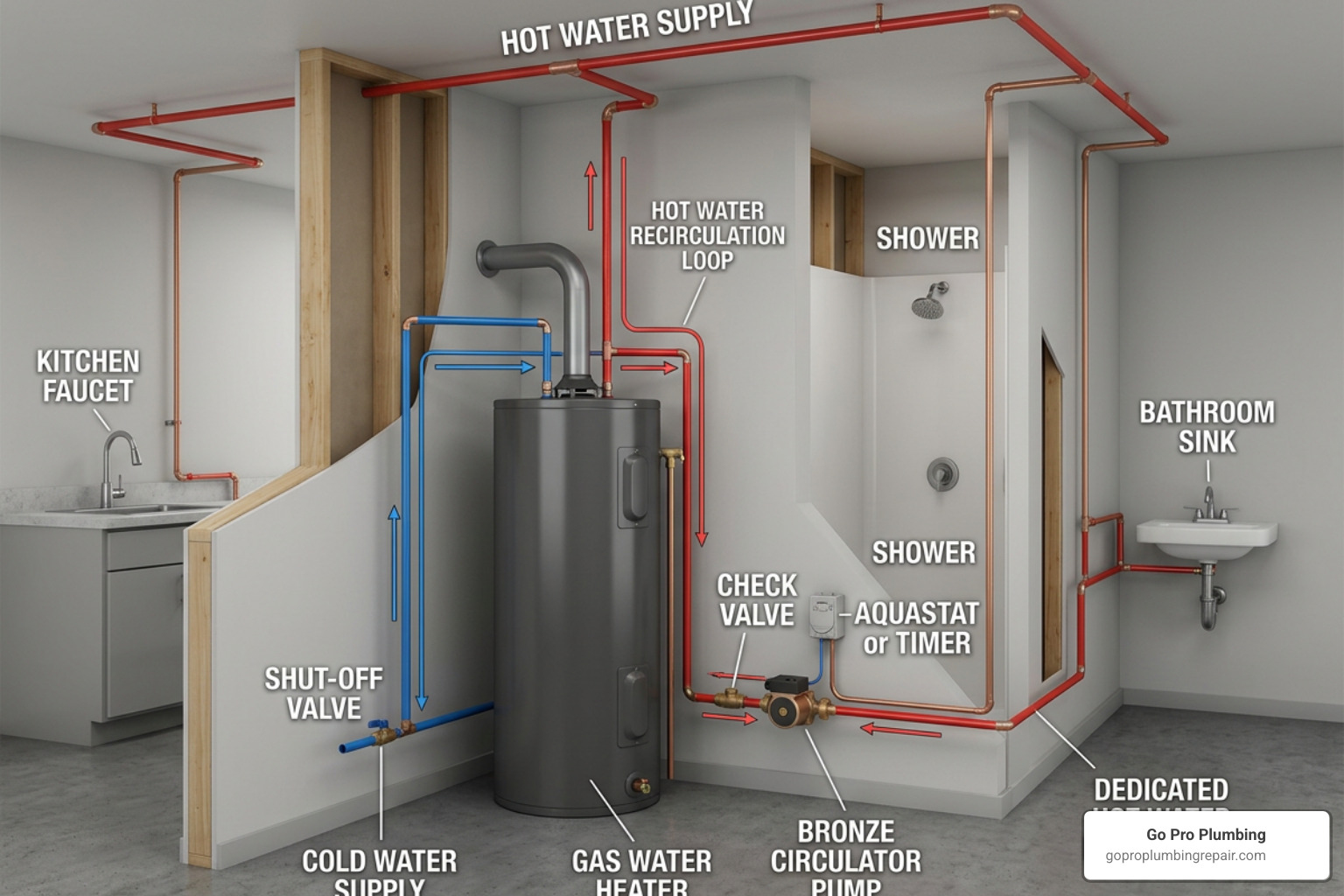
In both residential and commercial applications, this loop creates a continuous pathway. When you install a bronze recirculation pump, it acts as the driving force behind this loop, keeping a small, steady flow of water moving. To understand the physics behind this process in greater detail, you can read more about How Does A Hot Water Recirculating System Work.
Whether you are running a single-family home in Sacramento or managing a light commercial property in Rancho Cordova, secondary circulation ensures that hot water is instantly available. This setup prevents water waste and reduces the load on your local municipal sewer system.
How a Bronze Recirculation Pump Works
At the heart of the system is the pump itself. A bronze recirculation pump uses a motorized impeller to draw cooled water out of the hot water supply line and push it back into the water heater.
As the motor spins, the impeller rotates rapidly, creating centrifugal force that increases the velocity of the water. This velocity is converted into pressure, driving the water through the return line. Because the system is closed and pressurized, the pump does not need a massive amount of horsepower to do this. It simply needs to overcome the friction loss (head loss) of the pipes.
Most modern residential pumps use small, high-efficiency motors that consume very little electricity while maintaining a consistent flow. If you want to dive deeper into the mechanics of these systems, check out our guide on Never Wait Again Understanding Your Recirculation System.
Why Choose Bronze for Potable Water Systems?
When selecting plumbing components, material selection is everything. For closed hydronic heating loops (like radiant in-floor heating where the same water is recycled forever without fresh oxygen), cast iron pumps are perfectly fine. But for domestic hot water systems, cast iron is a recipe for rusty disaster.
Domestic hot water systems are “open loops,” meaning fresh, oxygenated water is constantly introduced from your water main. Oxygen causes iron to rust rapidly. If you install a cast iron pump on your drinking water lines, you will end up with orange, metallic-tasting water and a seized pump in a matter of months.
This is where a Bronze Circulator Pumps, Lead-Free – PexUniverse shines. Bronze is highly resistant to corrosion from oxygenated water. It does not rust, flake, or degrade when exposed to the highly active oxygen molecules in fresh tap water.
Furthermore, modern bronze pumps are certified “lead-free.” Under strict federal and California state regulations, any component that comes into contact with potable (drinking) water must meet low-lead standards. Lead-free bronze alloys replace lead with other non-toxic stabilizing metals, ensuring your family’s drinking water remains clean, pure, and completely safe.
Key Benefits of a Lead-Free Bronze Recirculation Pump
Investing in a high-quality bronze recirculation pump provides several long-term advantages:
- Potable Safety: Because they are constructed from certified lead-free bronze, these pumps are fully approved for drinking water systems and open-loop solar applications.
- Superior Durability: Bronze resists erosion and scale buildup far better than cheaper metals, preventing premature pump failures.
- Extended Lifespan: While standard iron pumps degrade quickly in open systems, a bronze pump can easily last for decades with minimal maintenance.
- Water Conservation: By delivering hot water instantly, a bronze pump saves thousands of gallons of clean drinking water from being wasted down the drain every year.
To see how these benefits translate to daily life, you can explore The Secret To Speedy Showers Hot Water Recirculation Pumps Explained.
Material Comparison: Bronze vs. Stainless Steel vs. Cast Iron
To help you visualize the differences between these common pump materials, we have put together a comparison table:
| Feature / Property | Lead-Free Bronze | Stainless Steel | Cast Iron |
|---|---|---|---|
| Corrosion Resistance | Excellent (highly resistant to oxygen and chlorides) | Very Good (highly resistant, though susceptible to low-grade alloys) | Poor (rusts quickly in oxygenated water) |
| Potable Water Approved | Yes (must be certified Lead-Free) | Yes | No (strictly for closed-loop heating) |
| Manufacturing Method | Cast | Often stamped or spin-formed | Cast |
| Cost | Premium | Moderate to High | Low |
| Typical Lifespan | 15–20+ Years | 10–15 Years | 5–8 Years (if used in open systems, much less) |
| Best Application | Domestic hot water, open-loop solar, hydronic | Domestic hot water, food processing | Closed-loop radiant heating, boilers |
While stainless steel has become a popular alternative to bronze due to fluctuating copper prices, many field professionals still prefer bronze. Low-grade stainless steel pumps can sometimes suffer from crevice corrosion, particularly around weld points or in water with high chloride levels. Bronze, being a cast metal, offers a heavy-duty, uniform body that stands up to harsh water conditions. You can read more about selecting the right pump body type in our overview of the Hot Water Recirculating Pump.
Selecting the Right Bronze Recirculation Pump for Your Home
Choosing the correct pump is not a one-size-fits-all process. If you install a pump that is too small, water will not circulate fast enough, and you will still end up waiting for hot water. If you install a pump that is too large, you will waste electricity and potentially erode your copper pipes due to excessive water velocity.
When selecting a pump, consider these four factors:
- Flow Rate: Measured in Gallons Per Minute (GPM). Most residential homes only require a flow rate of 1 to 5 GPM to keep the loop hot.
- Head Loss: This is the resistance the pump must overcome due to pipe friction. Longer pipe runs and smaller pipe diameters increase head loss.
- Pipe Size: Ensure the pump’s union or sweat connections match your existing plumbing lines (typically 1/2-inch or 3/4-inch for residential systems).
- System Pressure: Most residential systems operate under 60-80 PSI, which standard bronze pumps handle easily.
For a detailed walkthrough on matching a pump to your home’s unique layout, read our guide on Hot Water Recirculation System Design.
Key Specifications and Top Industry Models
If you are shopping for a bronze recirculation pump, several highly rated models dominate the market:
- Bell & Gossett NBF-12F: A classic industry standard. This pump features a reliable, whisper-quiet motor and is designed specifically for residential and light commercial potable water systems. You can view its full technical specs here: Bell & Gossett NBF-12F Bronze Recirculation Pump – 103260.
- Tucson 6 Metre Head Bronze Body Circulating Pump: A fantastic, compact option designed for secondary-return systems. It features high temperature resilience (rated up to TF 110°C) and plug-and-play simplicity. Check it out here: Tucson® 6 Metre Head Bronze Body Circulating Pump – Tucson Pumps.
- Taco 006-B4: A very popular 3/4-inch sweat connection bronze pump priced around $266.99. It is highly efficient and perfect for residential hot water loops.
- Taco 006-BC4: Rated at 4.6 out of 5 stars by homeowners, this circulating pump retails for approximately $270.00 and is known for its long-term reliability.
Installation and Maintenance for Maximum Longevity
To get the most out of your bronze recirculation pump, proper installation is key.
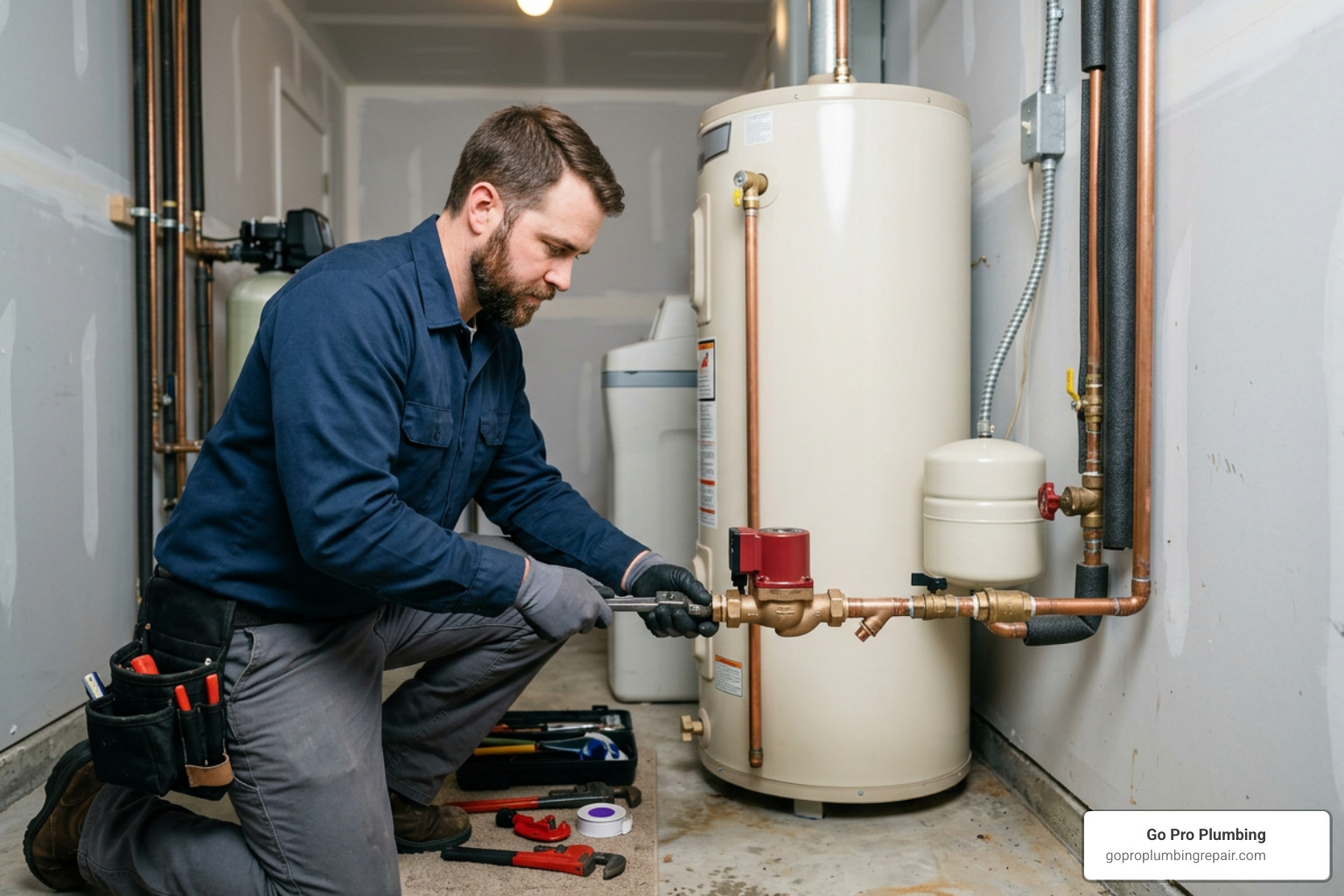
First, the pump should always be installed in the return loop after the furthest tap or fixture. This ensures that hot water is drawn all the way to the end of the line before returning to the water heater.
Second, when connecting the return line back to your hot water tank, it is best practice to tap into the upper third of the tank. Returning the water here prevents “de-stratifying” the tank (which is a fancy plumbing term for mixing up the hot water at the top with the cold water at the bottom, leaving you with lukewarm showers).
Lastly, do not forget to insulate your hot water pipes! Uninsulated pipes act like giant radiators, dumping heat into your walls or crawlspaces. Insulating the entire loop keeps the water hot and reduces the amount of work your pump and water heater have to do. For a step-by-step installation walkthrough, check out our Hot Water Recirculation Installation Guide.
Optimizing Energy Efficiency and Controls
Running a recirculation pump 24/7 is rarely necessary and can lead to high utility bills. To maximize your energy savings, we highly recommend integrating smart controls:
- Timer Controls: Program the pump to only run during peak usage hours (such as 6:00 AM to 9:00 AM and 5:00 PM to 10:00 PM).
- Pipe Thermostats: Clip a thermostat onto the return line just after the furthest tap. Set it approximately 5°C (9°F) below your water heater’s thermostat. When the return line reaches this temperature, the pump shuts off automatically.
- Auto-Adjusting Hybrid Motors: Modern hybrid pumps (such as some ErP-compliant models) automatically adjust their power draw between 5 and 45 Watts based on system demand, reducing energy consumption by up to 80% compared to traditional constant-speed pumps.
To explore the overall return on investment for these upgrades, read our analysis: Are Hot Water Recirculation Systems Efficient.
Troubleshooting Common Recirculation Pump Issues
Even the highest quality bronze pumps can run into issues over time. Here are the most common problems we encounter in Northern California homes and how to fix them:
- Air Lock: If your pump is running but no hot water is circulating, there might be an air bubble trapped inside the pump volute. Most pumps have a bleed screw on the front that allows you to safely vent trapped air.
- Scale Buildup: Hard water (common in parts of the Sacramento region) can cause calcium scale to build up on the impeller. Periodically flushing your system and cleaning the pump cartridge can resolve this.
- Motor Hum: If the pump is humming but not spinning, the capacitor may have failed, or scale may have seized the impeller. Turn off the power and spin the motor shaft manually to break free any minor blockages.
For a comprehensive troubleshooting checklist, see our guide on Hot Water Recirculation System Problems.
Frequently Asked Questions about Bronze Pumps
Why is bronze required instead of cast iron for domestic hot water?
Cast iron pumps rust rapidly when exposed to the highly oxygenated fresh water found in domestic hot water systems. This rust will ruin your water quality and seize the pump. Bronze is naturally corrosion-resistant and completely safe for drinking water.
Can I use a stainless steel pump instead of bronze?
Yes, high-quality stainless steel pumps are approved for potable water. However, low-grade stainless steel alloys can suffer from crevice corrosion, especially around welds. Bronze remains the industry favorite for its uniform cast construction and long-term durability.
How long does a bronze recirculation pump typically last?
A well-maintained bronze recirculation pump can easily last 15 to 20 years. Using timers or thermostats to prevent the pump from running constantly will significantly extend its lifespan.
Conclusion
Upgrading to a bronze recirculation pump is one of the best ways to improve your home’s comfort, save money on your utility bills, and stop wasting water down the drain. Whether you are dealing with a long pipe run to a master bathroom or designing a brand-new hot water system, choosing bronze ensures your plumbing remains safe, efficient, and reliable for decades to come.
If you live in Sacramento, Rancho Cordova, or anywhere else in Northern California, we are here to help. At Go Pro Plumbing, we specialize in high-efficiency hot water solutions, offering outstanding customer service and same-day service to keep your home running smoothly.
Ready to eliminate the wait for hot water? Schedule a Water Recirculation Pump Service with our team of friendly, local experts today!