
How to Fix a Leaking Water Pipe
By Brian on June 11, 2026
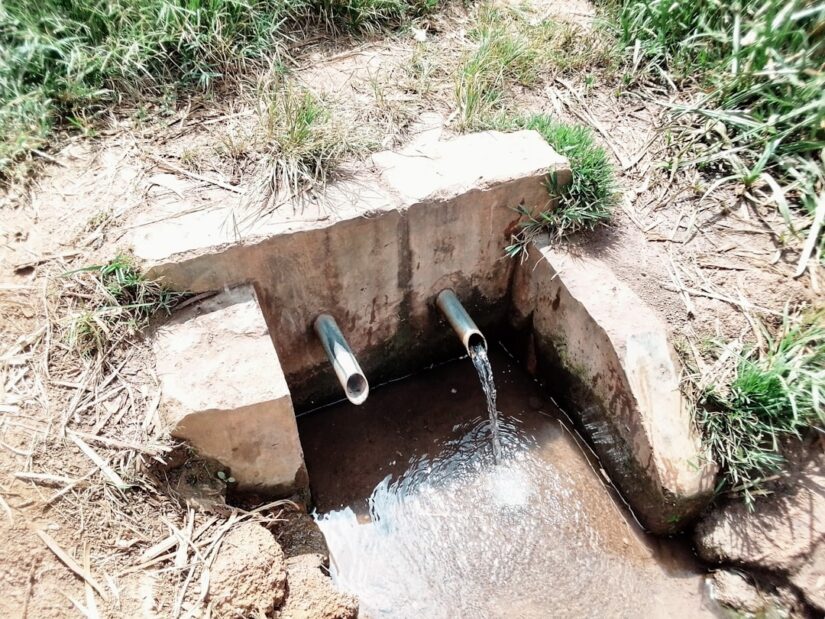
What to Do When You Have a Water Pipe Repair Emergency
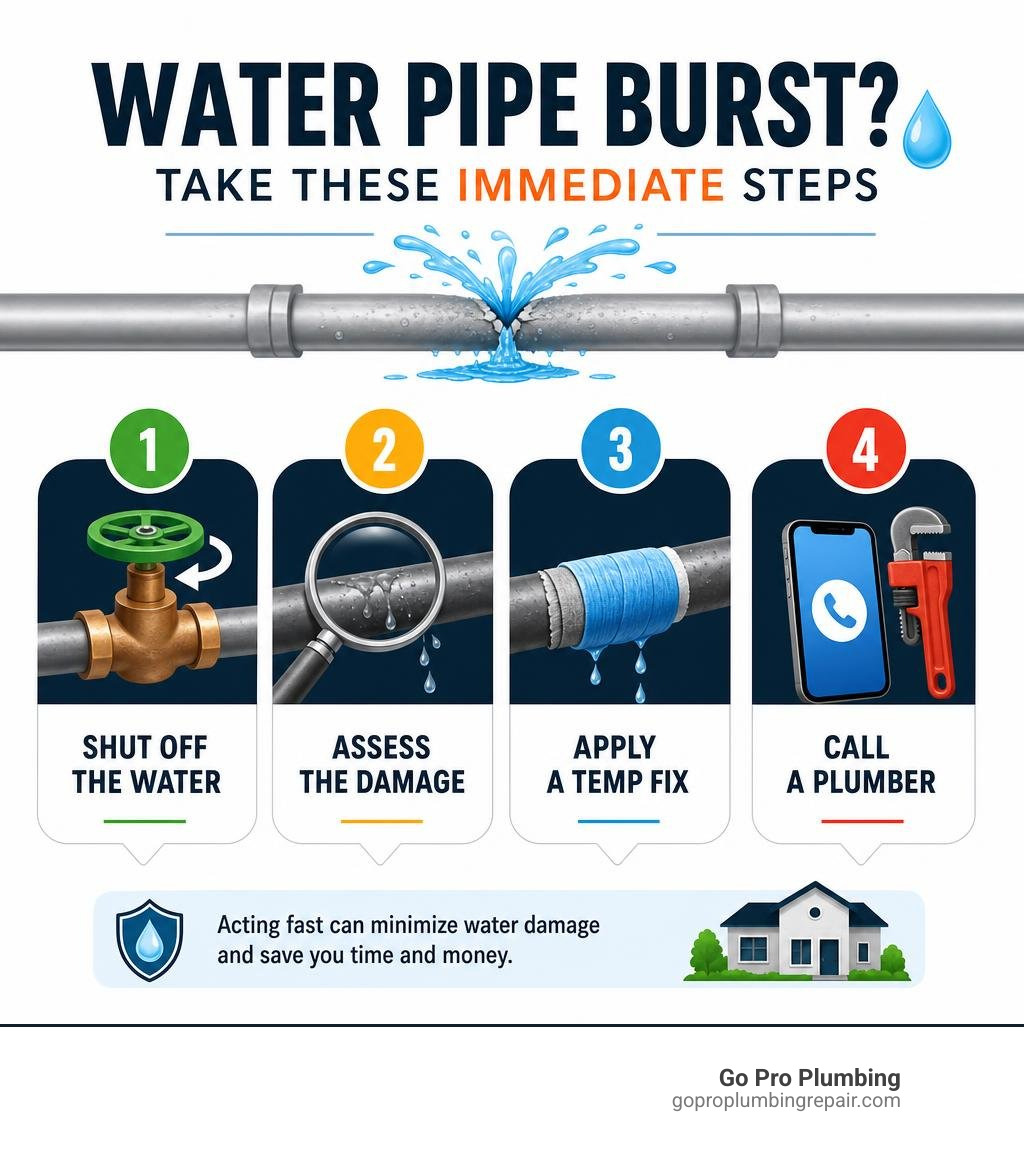
Water pipe repair is something most homeowners will face at some point — and when it happens, acting fast makes all the difference.
Here’s a quick overview of what to do and what to expect:
| Situation | What to Do |
|---|---|
| Active leak or burst pipe | Shut off the main water valve immediately |
| Small pinhole leak | Apply pipe wrap tape or epoxy putty as a temporary fix |
| Low pressure or soggy yard | Call a licensed plumber — likely a main line issue |
| Discolored or rusty water | Old galvanized or copper pipes may need replacement |
| Need a permanent fix | Contact a professional for repair or full replacement |
A leaking pipe can waste thousands of gallons of water per day, cause serious structural damage, and lead to costly repairs if left unchecked. The average professional water line repair runs around $1,000 — but catching the problem early can keep that number much lower.
Whether you’re dealing with a dripping joint under the sink, a pinhole leak in a copper pipe, or a suspected break in your underground main line, this guide walks you through everything: how to spot the problem, what you can fix yourself, when to call a pro, and what it’s likely to cost.
Water pipe repair vocab explained:
Common Causes and Signs of Water Pipe Damage
Before you can start a water pipe repair, you have to understand why the pipe failed in the first place and where the leak is hiding. Pipes don’t typically burst or leak without warning; usually, a combination of age, environmental factors, and water chemistry is at play.
What Causes Water Pipes to Leak or Burst?
- Corrosion and Age: No plumbing material lasts forever. Over time, metal pipes react with oxygen and minerals in the water. This chemical reaction eats away at the pipe walls, leading to rust, scale buildup, and eventually pinhole leaks or structural failure.
- Freezing Temperatures: When water freezes, it expands. If water is trapped inside a copper or plastic pipe during a sudden winter cold snap in Northern California, the pressure can easily split the pipe wide open.
- High Water Pressure: While a high-pressure shower feels great, excessive water pressure (anything over 80 PSI) puts constant stress on your pipes, joints, and fixtures, leading to premature failure.
- Tree Root Intrusion: Underground main water lines are prime targets for thirsty tree roots. Roots can travel dozens of feet, wrapping around and eventually crushing or penetrating older clay, transit, or metal pipes.
- Soil Shifting and Settling: Ground movement can place immense bending stress on buried lines, causing them to crack or snap.

How to Spot a Pipe Leak Before Disaster Strikes
Some leaks are loud and obvious, while others are slow, silent, and incredibly destructive. To protect your home, keep an eye out for these subtle warning signs:
- Unexplained High Water Bills: If your water usage habits haven’t changed but your utility bill is climbing, you likely have a hidden leak.
- Low Water Pressure: A sudden drop in pressure throughout the house often points to a ruptured pipe or a severe blockage in your main water line.
- Soggy or Lush Patches in the Yard: If a section of your lawn is constantly wet, muddy, or significantly greener than the rest of the yard, your underground main water line may be leaking.
- Musty Odors and Mold: Water pooling behind drywall or under floorboards creates the perfect breeding ground for mold and mildew.
- Water Sounds: Hearing water running or dripping when all faucets and appliances are completely turned off is a major red flag.
If you suspect a leak but can’t find the source, specialized leak detection Sacramento services can pinpoint the exact location of the issue behind your walls or beneath your yard without unnecessary demolition. For deeper issues, professional plumbers utilize advanced Underground Leak Detection equipment to find subterranean breaches before they ruin your foundation.
DIY Water Pipe Repair: Temporary vs. Permanent Fixes
If you discover a leaking pipe, your immediate goal is to stop the water from damaging your home. Depending on your skill level and the location of the leak, you may choose to attempt a DIY fix. However, it is vital to understand the difference between a temporary patch and a permanent solution.
Most DIY methods—such as wraps, tapes, and epoxies—are designed to buy you time until a licensed plumber can perform a proper, code-compliant repair. Leaving a temporary patch in place permanently is a gamble that often ends in a sudden, expensive flood.
Quick Temporary Fixes for a Leaking Pipe
When you need to stop a drip right now, several reliable DIY products are available at your local hardware store.
1. Self-Fusing Silicone Tape (Pipe Wrap Tape)
Silicone tape does not rely on adhesive; instead, it chemically bonds to itself when stretched and wrapped tightly around the pipe.
- Best for: Small pinhole leaks and joint drips on accessible, clean pipes.
- How to apply: Turn off the water supply and dry the pipe thoroughly. Begin wrapping the tape a few inches before the leak, stretching it tightly as you wrap, and overlap each layer by half. Extend the wrap a few inches past the leak to create a tight compression seal.
2. Epoxy Putty
Epoxy putty is a two-part adhesive stick that hardens into a dense, plastic-like patch.
- Best for: Small cracks or holes in metal or plastic pipes where tape cannot wrap easily.
- How to apply: Clean and roughen the pipe surface with sandpaper. Cut off a piece of putty and knead it with your gloved hands until the two colors merge into a single, uniform color. Press the putty firmly over the leak, feathering the edges, and let it cure according to the package instructions (usually 30 to 60 minutes) before turning the water back on.
3. Pipe Repair Clamps
A pipe repair clamp consists of a metal sleeve lined with a thick rubber gasket that is bolted directly over the leak.
- Best for: Clean, straight runs of metal or rigid plastic pipe with localized punctures or small cracks.
- How to apply: Position the rubber gasket directly over the leak, wrap the metal clamp around it, and tighten the bolts evenly. Be careful not to overtighten, as this can crush older, fragile pipes. For more details on choosing the right clamp, check out our guide on clamping down on leaks.
4. Emergency Kits and Slip Couplings
For a more robust temporary-to-permanent fix, specialized kits like the Weicon Pipe Repair Kit combine water-activated fiberglass wraps with epoxy putty to create a hard, pressure-resistant seal.
If you have a clean section of copper, PEX, or CPVC pipe that has burst, you can cut out the damaged section and install a push-to-connect slip coupling. The SharkBite Burst Pipe Repair Kit allows you to bridge the gap and restore water flow in minutes without requiring specialized soldering torches or glue.

When to Choose Professional Water Pipe Repair
While DIY fixes are great for a midnight emergency under the kitchen sink, certain scenarios demand professional intervention:
- Slab Leaks: If the leak is located in the concrete slab foundation of your home, attempting a DIY fix is highly risky and practically impossible without heavy machinery. You will need to evaluate professional slab leak repair options to bypass or repair the line safely.
- Main Water Lines: Your main service line is buried deep underground and is under high pressure. Repairing this requires trenching, permits, and heavy-duty materials.
- Leaks Behind Walls: A hidden leak behind drywall can easily lead to structural rot and mold. If you suspect a Water Leak Under House or inside a wall, a professional should handle it to ensure the root cause is resolved and the area is properly dried.
- Burst Pipes: If you are dealing with a major rupture, calling for emergency burst pipe repair is the fastest way to minimize water damage and restore your home’s water supply safely.
How Pipe Materials Affect Repair and Longevity
The material your pipes are made of dictates how they age, how they fail, and how they must be repaired. Modern homes feature a mix of metals and high-tech plastics, each with its own pros and cons.
| Pipe Material | Common Era of Use | Average Lifespan | Typical Failure Pattern | Best Repair Method |
|---|---|---|---|---|
| Copper | 1960s–Present | 50–70 Years | Pinhole leaks, joint corrosion | Soldering, push-to-connect |
| Galvanized Steel | Pre-1970s | 40–50 Years | Internal clogging, thread leaks | Replacement, pipe clamps |
| PEX (Polyethylene) | 1990s–Present | 40–50 Years | Fitting failure, UV degradation | Crimp rings, expansion fittings |
| PVC / CPVC | 1970s–Present | 50–75 Years | Brittle cracking, glue failure | Solvent welding, slip couplings |
Repairing Metal Pipes: Copper and Galvanized Steel
Metal pipes are incredibly durable but are highly susceptible to chemical reactions with water and soil.
- Copper Pipes: Copper is the gold standard of plumbing, but it is vulnerable to “pitting corrosion.” This occurs when acidic water or high water velocity wears away the protective oxide layer inside the pipe, leading to tiny pinhole leaks. When temperatures drop, you may also need to repair frozen copper pipe sections that have split due to ice expansion.
- Galvanized Steel: If your home was built before 1970, it likely has galvanized steel pipes. These pipes rust from the inside out, restricting water flow and releasing rusty, metallic-tasting water. If you discover a galvanized pipe leak, spot repairs are usually only a temporary band-aid because the entire piping system is likely corroded and fragile.
Repairing Plastic Pipes: PEX, CPVC, and PVC
Plastic piping has revolutionized residential plumbing because it is flexible, immune to corrosion, and highly cost-effective.
- PEX (Cross-Linked Polyethylene): PEX is highly flexible and can expand slightly to resist freezing. Leaks in PEX systems rarely occur in the pipe itself; instead, they usually happen at the connection points due to improperly calibrated crimp rings or poor installation.
- PVC and CPVC: CPVC (cream-colored) is rated for both hot and cold water, while standard PVC (white) is used for cold water supply and drainage. These pipes are joined using solvent cement, which chemically welds the plastic together. Over time, CPVC can become brittle, making it prone to cracking if bumped or subjected to high pressure.
Professional Main Water Line Repair and Trenchless Technology
When the water line running from the city meter to your home leaks or breaks, a simple patch won’t cut it. Traditionally, repairing this line meant bringing in heavy excavators to dig up your lawn, driveway, and landscaping—a process that was loud, messy, and incredibly destructive.
Fortunately, modern plumbing technology offers highly effective, minimally invasive alternatives.
Trenchless Water Pipe Repair Methods
Trenchless technology allows us to repair or replace your underground water lines with minimal digging. By utilizing small access pits at either end of the pipe, we can restore your plumbing without ruining your yard.
- Cured-In-Place Pipe (CIPP) / Epoxy Lining: This process involves inserting a flexible, epoxy-saturated sleeve into the damaged pipe. Once in place, the sleeve is inflated and cured (sometimes using UV light or hot water), creating a seamless, durable “pipe within a pipe.” To learn more about this process, read our guide on cured in place pipe restoration.
- Pipe Bursting: If the existing pipe is too damaged to line, pipe bursting is used. A heavy steel bursting head is pulled through the old pipe, fracturing it outward while simultaneously pulling a brand-new, high-density polyethylene (HDPE) pipe into place behind it.
- Trenchless Boring: For brand-new installations, a horizontal directional drill can create a path underground for the new pipe without disturbing the surface.
While trenchless methods require specialized equipment, the savings on landscaping, concrete repair, and labor often make the overall trenchless water line replacement cost highly competitive compared to traditional excavation.
Spot Repair vs. Full Pipe Replacement
If your main water line has a leak, you must decide whether to patch the specific leak (spot repair) or replace the entire line.
- Choose Spot Repair if: The pipe is relatively young, made of high-quality material (like copper or modern HDPE), and the damage was caused by an isolated incident, such as an accidental shovel strike during landscaping.
- Choose Full Replacement if: The pipe is made of galvanized steel or thin-walled plastic that has reached the end of its lifespan. If the pipe is experiencing systemic corrosion, patching one spot will simply increase the pressure on the next weakest link, leading to another leak shortly down the road.
If you are facing frequent plumbing issues, it may be time to consult a water line replacement complete guide or consider a whole house repipe to secure your home’s plumbing infrastructure for the next several decades. For step-by-step emergency instructions, check out our water main break repair guide.
Frequently Asked Questions about Pipe Leaks
How much does professional water line repair cost?
On average, a professional water line repair costs around $1,000, with small, accessible leak repairs starting as low as $150 to $300. However, if the main line requires full replacement, costs can range from $3,500 for plastic or PVC lines to upwards of $5,000 for copper or iron lines. Professional labor rates typically range from $70 to $120 per hour, and emergency after-hours callout fees can range from $75 to over $300 depending on your location.
How do local soil and climate conditions affect pipes?
In Northern California, our soil and water chemistry play a massive role in pipe longevity:
- Hard Water: High mineral content (calcium and magnesium) leads to scale buildup inside metal pipes, restricting flow and accelerating localized corrosion.
- Clay Soils: Heavy clay soils expand when wet and shrink when dry, placing shifting stress on buried water lines.
- Winter Freezes: While we enjoy mild winters, occasional overnight freezes can quickly burst unprotected pipes in crawlspaces, attics, or outdoor hose bibbs.
How long do underground water pipes typically last?
Underground metal water pipes (such as copper or cast iron) have an average life expectancy of 50 to 75 years. After this period, the risk of soil-based corrosion and joint failure increases dramatically. Modern plastic pipes, like HDPE and PEX, are expected to last 50+ years and are highly resistant to soil acidity and scale buildup.
Conclusion
Dealing with a water pipe leak can be stressful, but you don’t have to tackle it alone. Whether you need a quick temporary fix for a pinhole leak or are ready to schedule a professional, trenchless main water line repair, taking action quickly is the key to protecting your property.
At Go Pro Plumbing, we provide premier residential and commercial plumbing services across Northern California, including Sacramento and Rancho Cordova. We are committed to outstanding customer service and offer same-day service to resolve your plumbing emergencies before they cause major damage.
Have a leaking pipe? Don’t wait for the damage to spread. Contact Go Pro Plumbing today to schedule your professional water pipe repair!